

July 16, 2025, 8:48 am | Read time: 6 minutes
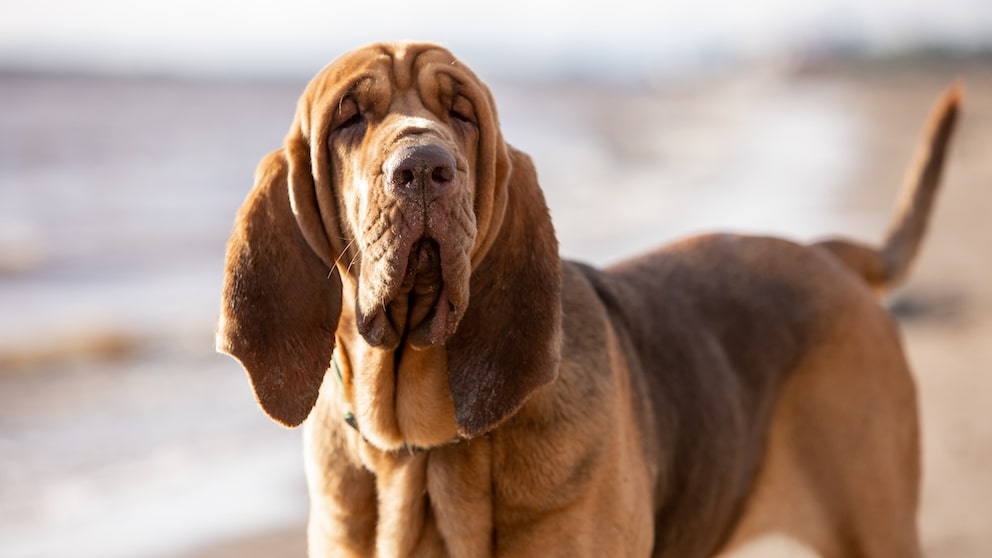
With its long, wrinkled face, drooping ears, and imposing stature, the Bloodhound seems like a living legend–and in a way, it is. Its excellent sense of smell is renowned worldwide, making it an indispensable helper in tracking. But it impresses not only as a scent hound: Its gentle nature and patience also make it a charming companion with special abilities.
Origin
The roots of the Bloodhound run deep in European history. As early as the 2nd century, its ancestors were reportedly kept by the Gauls and Celts in what is now Central Europe. From the 7th century, Belgian monks at the Saint-Hubert Monastery in the Ardennes began the targeted breeding of these scent hounds–hence the alternative name “St. Hubert Hound.” Over the centuries, the breed spread further, especially through importation to Great Britain. It is believed that the term “Bloodhound” originated there in the 11th century. There are two theories about the name: Either “blooded hound” refers to the purebred lineage, or the name derives from the dog’s excellent ability to track wounded game by blood trails.
Over time, the Bloodhound gained worldwide recognition for its extraordinary scenting ability, particularly in criminal investigations and rescue work. Even today, it is considered one of the best scent hounds in the world. Regionally, the breed is known by various names–such as Ardennes Hound or Chien de Saint-Hubert–highlighting its wide distribution and high recognition.
Appearance & Coat
The Bloodhound is a large, powerfully built dog with a distinctive appearance. Males can reach a shoulder height of up to 70 cm and a weight of up to 50 kg, while females are slightly smaller and lighter. Particularly striking are its elongated head, pronounced facial wrinkles, and long, low-set floppy ears. The eyes are brown and exude gentleness and intelligence.
Its coat is short, fine, and weather-resistant. It feels silky and comes in various color combinations, including black and tan, red, and other mixtures of these tones. The tail is strong and long, carried slightly curved, and accentuates the dynamic silhouette of this scent hound. Also notable is its long neck, which allows it to keep its nose close to the ground when tracking–a functional feature that significantly supports its abilities as a tracking dog. The pronounced skin folds have been enhanced through breeding in recent times, although they were less pronounced in the original representatives of the breed.
Character & Temperament
Despite its impressive name, the Bloodhound is an exceptionally gentle and good-natured companion. Its temperament is considered friendly, patient, and people-oriented. It is open and interested in strangers but never aggressive. Especially in families, it often shows itself to be affectionate and child-friendly–a true friend of humans who appreciates harmony.
Its behavior is also characterized by high intelligence and endurance, which makes it a serious working dog. At the same time, it can show a stubborn streak and tends to make decisions independently–a behavior that makes sense in the context of its original task as an independently working scent hound. However, it is hardly suitable as a guard dog, as it lacks the necessary vigilance and distrust of strangers.
Training
In training, the Bloodhound requires a balanced measure of consistency, patience, and empathy. While it is eager to learn and intelligent, it also shows a certain stubbornness. Those who are deceived by its soulful gaze or become lax in training must reckon with a pronounced willfulness. Therefore, it is important to begin with loving but clear guidance from puppyhood.
Positive reinforcement and varied training methods help maintain its motivation. Early socialization and targeted scent work–such as tracking or mantrailing–promote its natural strengths and integrate it meaningfully into everyday life. With the right guidance, it can integrate well into families and become a loyal companion.
Proper Care & Maintenance
Due to its origin as a hunting and scent hound, the Bloodhound is not a typical apartment dog. An ideal environment is a rural setting with a house and fenced garden where it can move freely. Its keen sense of smell and need for movement require regular mental and physical activity. Daily long walks and tracking work or special scent games are essential to keep it appropriately occupied.
In terms of grooming, it is relatively low-maintenance. Its short coat should be brushed once or twice a week, especially during shedding. More important is the regular inspection of ears, eyes, and skin folds, as dirt and moisture can easily accumulate there–ideal conditions for infections. Nail care and dental hygiene should also not be neglected.
Nutrition
Bloodhounds have a strong appetite and are prone to obesity, so food portions must always be adjusted to weight, age, and activity level. A high-quality food with a high meat content, free of sugar additives and artificial ingredients, is recommended. Especially commercial foods and snacks often contain hidden sugars that can contribute to weight gain.
Regular weight checks and the use of food calculators can help maintain the ideal weight. Several smaller meals a day can reduce the risk of bloat. Fresh water should always be available. When giving treats, low-calorie alternatives should be considered to avoid exceeding the total food budget.

The Black and Tan Coonhound hunts raccoons and even cougars.

Why the Clumber Spaniel Is Among Endangered Dog Breeds
Susceptibility to Certain Diseases
The Bloodhound comes with some breed-specific health risks. These include, in particular, bloat, facilitated by fast eating and a large chest. Obesity also poses an increased risk for joint problems. The most common orthopedic diseases include hip dysplasia (HD) and elbow dysplasia (ED).
Its long floppy ears and facial wrinkles also make it prone to ear infections and eye problems. When choosing a puppy, special attention should be paid to parent animals with healthy eyelids to reduce the risk of eyelid malformations and associated irritations. The average life expectancy of healthy animals is between 10 and 12 years, with a responsible breeder and regular veterinary check-ups contributing significantly to health.
The Bloodhound at a Glance
- Temperament: Friendly, patient, intelligent, but with an independent character
- Size: Males up to 70 cm, females slightly smaller
- Weight: Up to 50 kg, depending on gender and build
- Coat: Short, silky, easy to care for
- Special Features: Outstanding sense of smell; suitable for tracking and rescue missions