

November 24, 2026, 3:57 pm | Read time: 8 minutes
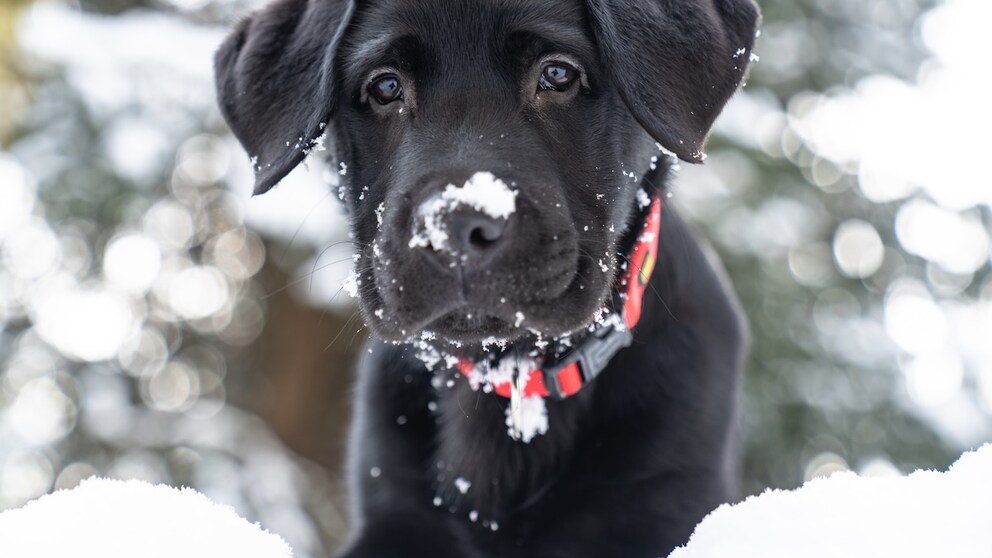
When a puppy arrives in the fall or winter, it marks the start of an exciting time full of first experiences–from walks through colorful leaves to the first snow. However, cold, wet, and dark conditions can overwhelm young dogs, just like an increased risk of infection or fewer social contacts. Dog trainer Katharina Marioth explains what owners should pay attention to during the cold months to ensure their puppy stays healthy and develops into a balanced, confident dog.
Hypothermia–the underestimated danger
Puppies do not yet have fully developed coats and have a reduced ability to regulate their body temperature. Small breeds and dogs with little undercoat are particularly at risk in the fall and winter. Signs of hypothermia include:
- Shivering and tense posture
- Tucking in the tail and paws
- Refusal to continue walking
- Pale mucous membranes and apathy
Tip: Keep walks short in wet and frosty conditions and use a light, warming puppy coat for sensitive or very young dogs. Also, ensure a warm, draft-free resting place in the house.

My Experience: A coat is a must
“Our dog Yumi was born in August and is a typical fall puppy. Unfortunately, we massively underestimated how much such a small body needs to be kept warm at first–even for long-haired breeds. Yumi, as a Pomeranian, had a lush coat within a few weeks–but her belly was bare. My stance back then was: My dog will never wear clothes. But when the vet said, ‘Ms. Schneider, you have to put something on the little one, she’s freezing her belly and will get a bladder infection,’ I started buying her a coat and wool sweater. Unfortunately, it was too late, and Yumi got a terrible cough that plagued her for almost five weeks. Since then, I know: A coat is mandatory for puppies in the fall and winter!”
Fall and Winter–Peak Season for Infections
A weak immune system makes puppies more susceptible to infections. Wet autumn leaves, muddy grounds, and cold air increase the risk of diarrhea, respiratory diseases, or skin inflammations.
Typical sources of danger:
- Puddle water: Often contains bacteria, parasites, or road salt residues.
- Wet fur: If the dog is not properly dried, it can lead to skin problems.
- Contact with cold ground: Puppies like to sit down–and can easily get a bladder infection.
Tip: Thoroughly dry your puppy after each walk–including between the toes. Provide a soft, dry blanket as a resting place and do not let your puppy drink standing water in the fall and winter.
Overwhelm in the Darkness
Fall and winter puppies often have their first environmental and socialization experiences in the dark. Streetlights, car headlights, flashlights–all of this can be unsettling. At the same time, these dogs learn from the start to deal with unfamiliar stimuli, which often makes them more stress-resistant in the long run.
How to help your puppy:
- Choose well-lit, quiet paths for walks in the first few weeks.
- Gradually introduce him to new sounds and lights.
- Stay calm and composed yourself–your demeanor is contagious.
Extra: Winter puppies often develop a good calmness in traffic because they are exposed to darkness and lights from a young age.
Fewer Dog Contacts Means More Responsibility
In the summer, you encounter dogs at every corner. In the fall and winter, fewer dog owners are out, whose four-legged friends provide puppies with valuable social contacts. This can make socialization more difficult–especially during the critical imprinting phase up to the 16th week.
Tip:
- Plan play and training meetings with other dogs, such as in puppy schools.
- Pay attention to the quality of the contacts: Prefer short, positive encounters over wild tussles.
- Also build contacts with people in different outfits (hats, scarves, winter jackets often seem unfamiliar to puppies).
Safety in the Dark: Visibility Protects
Short days mean long dark phases–and thus a greater risk of accidents. Puppies are small and hard to spot. Visibility not only protects against cars but also against cyclists or joggers.
Essential equipment:
- Light collar or reflective harness: Makes the puppy visible from a distance.
- Reflective leash: Increases safety in traffic.
- Flashlight or headlamp for you: Eases navigation.
Don’t Forget Paw Care
Road salt and grit can severely irritate puppy paws. Small cracks or sore pads are painful and often lead to licking and inflammation. Find more about it here: 7 Tips for Dog Paw Care in Winter
Paw checklist for winter:
- Trim the fur between the toes to prevent ice from sticking.
- Wash the paws with lukewarm water after walks.
- For sensitive dogs: Use paw protection balm.
Training in the Cold: Quality Over Quantity
Long stays outdoors are often too exhausting for puppies in the fall or winter. At the same time, they need training and activity. The solution: shorter, structured sessions outside–and meaningful activities indoors.
Training ideas for fall and winter puppies:
- Indoors: Small scent games, “sit,” “down,” “stay” in short sequences, gradual build-up of being left alone.
- Outdoors: Short leash walks focusing on orientation to the person, encounter training with environmental stimuli.
- Impulse control: Calm waiting before going out strengthens self-control and makes everyday life easier.
We have compiled even more ideas for you here: Indoor Activity Ideas for Winter and Rainy Days
House Training in Fall and Winter
House training is a central learning goal for every puppy–but in the fall and winter, it can be a particular challenge. Cold, rain, and darkness make puppies reluctant to go outside. Some prefer to sit in the warm house rather than the wet garden. Here, patience and consistency are key.
How to succeed anyway:
- Fixed rhythm: Take your puppy outside immediately after sleeping, eating, playing, and whenever he becomes restless–even if it’s unpleasant.
- Right place: Always lead him to the same spot in the garden or outside so he quickly understands: “This is my bathroom.”
- Reward immediately: As soon as he relieves himself outside, give a treat or lots of praise. The moment must be clearly linked.
- Emergency in the rain: Many puppies refuse to go in wet conditions. A small, dry shelter (such as a pavilion or a corner with an overhang) helps until the dog becomes more confident.
- At night: Be prepared for frequent trips outside. A young puppy cannot hold his bladder for long. So keep a leash and shoes ready by the door.
Tip: Stay calm if an accident happens. Scolding only makes the dog insecure–and he may relieve himself secretly next time.
Training Against Jumping–Even with Wet Paws
Especially in the fall and winter, when dog owners often wear thick jackets and light coats, jumping is doubly noticeable. Wet or muddy paws can ruin clothing. Therefore, it is worth establishing clear rules from the start.
How to train “no jumping”:
- Ignore instead of scold: Many dogs jump out of joy and to get attention. If you push him away or scold, it’s still “contact” for them–a reward. Instead, calmly turn away and only pay attention to the dog when all four paws are on the ground. Then feel free to reward that.
- Offer an alternative: Actively reward your puppy for another behavior, such as “sit.” If he comes to you and sits down, give a treat or pet him immediately. This way, he learns: Staying calm is worth it.
- Training with visitors: Ask friends or family members for help. Keep the puppy on a leash when someone comes in. If he jumps, he is ignored. If he stays with all paws down, he gets attention.
- Consistency is key: Everyone in the household should follow the same rules. If only one person tolerates jumping, the puppy will be confused.
Extra: Puppies that spend a lot of time indoors in the fall or winter are often full of energy. Therefore, ensure sufficient activity (scent games, chew items, training sessions) so they don’t jump on all the two-legged family members out of exuberance.

What Puppy Owners Should Watch for in Fall and Winter
How Long a Dog Can Stay Outside in Subzero Temperatures
The Right Equipment for Puppies in Fall and Winter at a Glance
In addition to love and patience, young dogs need a bit of extra equipment in the cold season:
- Warming dog coat for sensitive breeds
- Reflective collar/harness for safety in the dark
- Waterproof mat or blanket for breaks outside
- Indoor toys to keep them occupied even in bad weather
- Towels for quick drying after rain or snow
Conclusion: How Your Puppy Gets Through Fall and Winter Well
A puppy in the fall or winter means extra responsibility–but also many opportunities. While cold, darkness, and wetness bring challenges like hypothermia, infections, or overwhelm, winter puppies learn from the start to handle environmental stimuli flexibly and stress-resiliently.
Focusing on warm retreats, safety in the dark, targeted training, and loving but consistent upbringing lays the foundation for a confident, healthy dog.
House training, polite greetings without jumping, and building basic commands are just as important as protection from cold and infections. With patience and a clear daily rhythm, fall and winter puppies develop into strong companions–and give their humans plenty of unforgettable moments.

About the Author
Katharina Marioth is the founder of the Stadthundetraining brand and the KEML principle. She is an IHK- and government-certified dog trainer and behavioral assessor for dangerous dogs in the state of Berlin. In her daily business, she works closely with veterinarians, scientists, and other specialists on dog-related topics. With her knowledge and skills, she secured the title of Dog Trainer of the Year 2023 in the Sat.1 show “The Dog Trainer Champion.”