

June 11, 2026, 9:59 am | Read time: 3 minutes
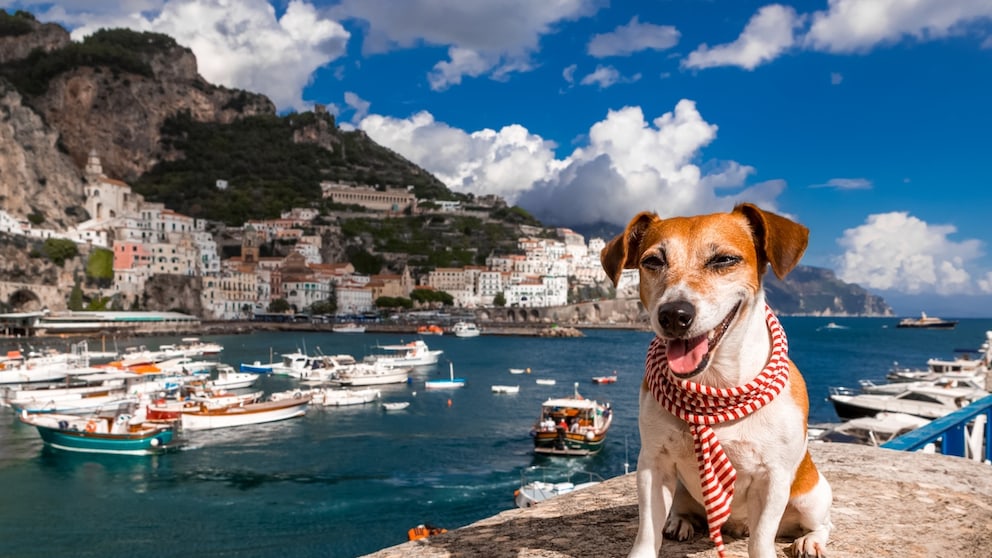
As the summer travel season begins, many dog owners are planning their vacations abroad. A vacation with a dog at the Mediterranean sounds like a relaxing getaway for many–but it can pose health risks. Veterinarian Dr. Ingo Schäfer warns in a social media post about tiny carriers that can trigger dangerous diseases–and often go unnoticed for a long time. PETBOOK author Manuela Lieflaender spoke with the veterinarian about the often underestimated risk.
What Dangers Lurk on Vacation
Vacationing with a dog at the Mediterranean is a bad idea, at least according to veterinarian Dr. Ingo Schäfer. He explains: “Dogs from Central and Northern Europe can become infected with many diseases in Mediterranean regions.”
But why are popular vacation countries like Spain, Italy, Croatia, or Greece so dangerous for our dogs? Veterinarian Dr. Ingo Schäfer responds: “Their immune systems are not prepared for it because these pathogens do not (yet) exist in Germany.”
Leishmaniasis–the Underestimated Vacation Danger
We are talking about sandflies and mosquitoes, which are native to the Mediterranean region and are spreading northward due to climate change. They transmit diseases such as leishmaniasis. Leishmaniasis is a typical “Mediterranean disease” that can affect dogs, especially on vacation in southern countries. It is caused by bites from sandflies.
Leishmaniasis can cause the following symptoms:
- Swollen lymph nodes
- Hair loss
- Loss of appetite
- Skin changes at the bite site
The symptoms are very diverse, often difficult to pinpoint, and can also be fatal. Even if dogs are adequately protected against ticks and mosquitoes, it is not enough. No product offers 100 percent protection.

The most dangerous animals in Europe
Mysterious Disease Causes Rabbits to Grow Horns on Their Faces
What Dog Owners Should Consider for a Mediterranean Vacation
If you have already planned your Mediterranean vacation and must take your dog, Dr. Ingo Schäfer has specific tips:
- Use protective preparations against mosquitoes, sandflies, and ticks found in the vacation region–these are almost always spot-on preparations.
- Avoid walking or leaving the dog outside at dusk or in the early morning, as sandflies and mosquitoes are particularly active during this time.
- Do not leave water containers outside the vacation home, cover standing water, and do not leave waste lying around.
- Ensure window screens are in place.
- Avoid damp basement areas.
However, even with these precautions, a residual risk remains, warns the veterinarian. Complete protection is not possible.
Also of interest: Vacationing with a Dog–Equipment, Vaccinations, Travel Pharmacy
Do Owners Need to Protect Their Dogs from Sandflies in Hotels?
For hotel vacationers, Ingo Schäfer advises: “In any case, choose a hotel room higher than the first floor to avoid sandfly bites in leishmaniasis areas. Always turn on the ceiling fan, as it disrupts the sandflies’ orientation.”
Dr. Ingo Schäfer also has a tip for restaurant visits: “Do not let your dog sleep under the table in the restaurant. Sandflies only target dogs that have not moved for a while. So, definitely do not let a dog sleep under the table at dusk.”
The crucial point, however, why veterinarian Ingo Schäfer advises against traveling with a dog to the Mediterranean is: “Once the dog is infected, it remains infected with many pathogens for life. You should consider whether it is worth it or if it is better to leave the animal in a dog boarding facility or with friends during the vacation period.” The best prophylaxis is not to take the dog or cat along at all.