

August 25, 2025, 4:13 am | Read time: 5 minutes
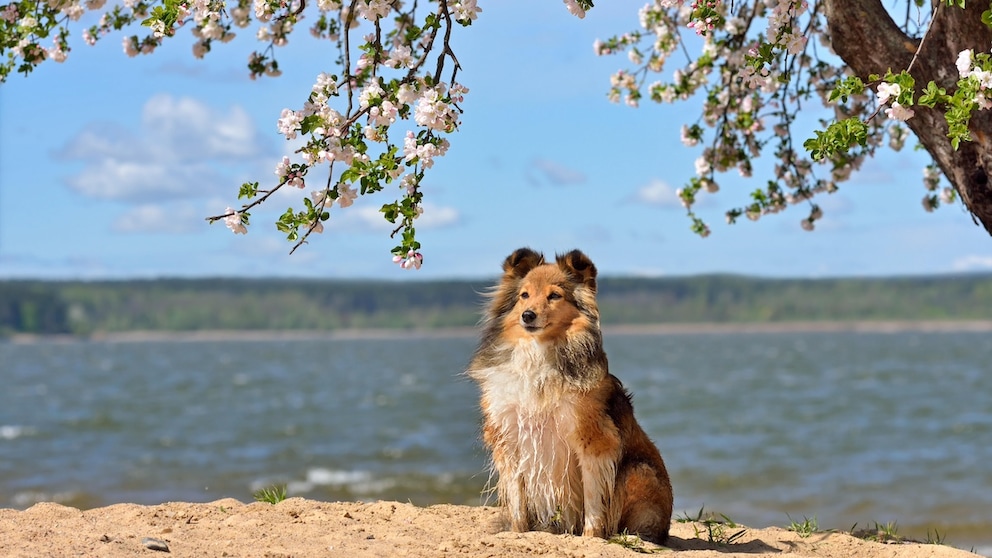
It looks like a small Collie—and was originally bred for that purpose: as a miniature version of the popular long-haired Collie. But the Shetland Sheepdog, or Sheltie, has long developed its own distinct profile. Cheerful, intelligent, sensitive, and full of energy, it captivates dog lovers worldwide—especially in the U.S., where it is among the most popular breeds. What makes this small herding dog with a lion’s mane so special, and what should owners definitely pay attention to?
Origin of the Shetland Sheepdog
The Shetland Sheepdog originally comes from the remote Shetland Islands north of Scotland. As early as the 9th century, robust small cattle, ponies, and sheep lived there, tended by equally resilient herding dogs. The animals had to reliably lead herds and guard homes and farms in the harsh, often stormy landscape. The foundation for today’s Sheltie was local farm dogs, which were supplemented by crossbreeding with dogs of Scottish, Scandinavian, and Dutch fishermen.
Small Collies that came to the island with sheep farmers also contributed to its development. In the early 20th century, dedicated breeders began to form a distinct breed with the goal of creating a mini-Collie. In 1908, the first breed standard was established by the “Shetland Collie Club.” Due to naming conflicts with Collie breeders, the name was changed to “Shetland Sheepdog” in 1914. In the same year, the breed was officially recognized by the British Kennel Club.
Appearance & Coat
Despite its small size, the Sheltie is among the particularly expressive breeds. With an ideal height at the withers of 37 cm for males and 35.5 cm for females, it often appears larger due to its voluminous coat. The double coat consists of long, harsh outer hair and dense, soft undercoat. A lush mane and feathering on the tail and legs further emphasize the elegant appearance.
The fine-boned, symmetrical body with harmonious outline lines and smooth gait is also typical. The head is narrow and wedge-shaped, with attentive, almond-shaped eyes and a gentle expression. Shelties are allowed in various color patterns: sable (light to mahogany), tricolor, blue merle, black and white, and black with tan. White markings are desired—except for the black and tan variant—such as a blaze, on the chest, mane, legs, or tail.
Character & Temperament
The Shetland Sheepdog is considered extremely sensitive, affectionate, and intelligent. It develops a deep bond with its caregivers and responds sensitively to moods. At the same time, it is cheerful, playful, and life-affirming. It is initially reserved with strangers, without being fearful—a trait that makes it an attentive but unobtrusive watchdog. Shelties have a strong need for harmony and want to please their people.
They are considered socially compatible, usually even with other pets, and are suitable for families with children, provided they were positively influenced during the socialization phase. A certain tendency to be vocal is in the nature of the breed, as the Sheltie is programmed as a herding dog to loudly report changes in the environment.
Training a Shetland Sheepdog
Training a Sheltie is generally straightforward–provided it is done sensitively, consistently, and with positive reinforcement. The breed has a high learning ability and usually shows a strong “will to please.” Harshness, pressure, or loud corrections quickly lead to insecurity. It is especially important to manage the tendency to bark early on, as Shelties quickly react to stimuli.
Clear rules, social integration, and sufficient mental stimulation significantly contribute to training. With the right guidance, the Sheltie can be excellently integrated into everyday life—even as a riding companion dog or in families with children.
Proper Care & Maintenance
Shelties need close family ties and varied activities. Despite their compact size, they are not apartment dogs for couch potatoes. Rather, they appreciate long walks, mental challenges, and dog sports such as agility, obedience, or trick training. A house with a garden is ideal, but does not replace daily exercise. Thanks to their social compatibility and lack of hunting instinct, they are also easy to handle in busier environments.
Grooming is less demanding than the long coat suggests: weekly brushing is usually sufficient, with increased care needed only during shedding periods. Special attention should be paid to the fine hairs behind the ears and in the armpits, as they tend to mat. Clipping is taboo, as it impairs the natural protective function of the coat.
Nutrition
A balanced diet is crucial for the Sheltie’s health and performance. High-quality food with a high meat content and essential nutrients is recommended. The breed is quite active, so an adjusted energy content, especially during physical activity, should be considered. Daily feeding routines, adapted to age, weight, and activity level, support digestion and prevent obesity. Unnecessary additives or highly processed ingredients should be avoided. In cases of allergies or intolerances, a veterinarian-supervised diet change can be helpful.

The Thai Spitz is a True Unsung Hero Among Dog Enthusiasts
Smooth Collie: This Herding Dog Is Also Suitable for Beginners
Susceptibility to Certain Diseases
The Sheltie is generally considered a robust breed. However, there are some genetically predisposed diseases that must be considered in responsible breeding. These include hip dysplasia (HD), the MDR1 gene defect (drug intolerance), and Collie Eye Anomaly (CEA), a congenital eye disease. Regular veterinary check-ups and appropriate genetic testing of the parent animals are essential. Attention should also be paid to epilepsy and hypothyroidism. Reputable breeders consistently exclude affected animals from breeding to minimize risk.
The Shetland Sheepdog at a Glance
- Size: Males approx. 37 cm, females approx. 35.5 cm
- Weight: approx. 6–12 kg
- Coat: Double-layered, long outer coat, soft undercoat
- Character: Sensitive, intelligent, alert & playful
- Special Features: Vocal, eager to learn, no pronounced hunting instinct