


August 14, 2025, 3:48 pm | Read time: 4 minutes
In high temperatures, a dip in cool water is often a welcome change for four-legged friends. A quick romp in the riverbed, but then—pain, swelling, bruising, and itching. During black fly season, this is not uncommon. What can you do to protect your dog from black flies?
How to Recognize Black Flies
Black flies actually look harmless to inconspicuous—they almost resemble a common housefly. The fly is only about two to six millimeters in size. They have a dark brown to black color, particularly noticeable is their humped body with six short legs. Black flies are often seen in large swarms near the water’s edge or even on the water. However, you quickly notice there’s no annoying buzzing or humming: A major trick of these flies is their silent movement.1, 2
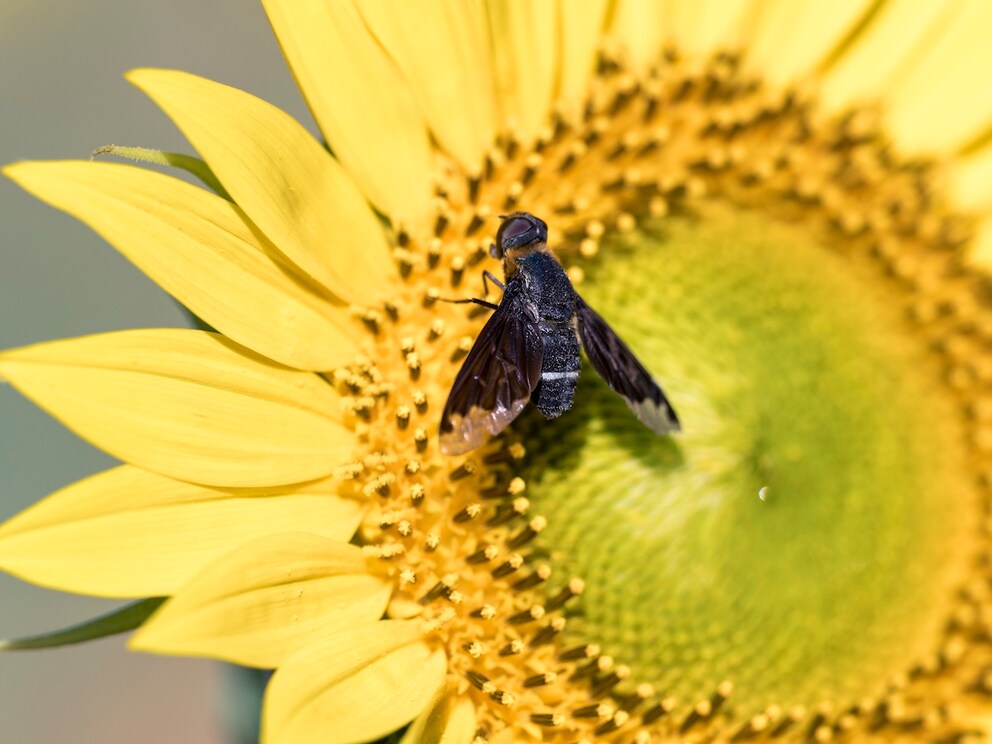
Black Flies Mainly Live Near Flowing Waters
There are about 2,000 species of black flies, 57 of which are found in Germany. They mainly appear here from March to November. For them to thrive, certain conditions must be met: Black flies prefer mild to high temperatures, flowing water (streams or rivers), and especially windless habitats. Although they are not considered particularly good fliers, they can cover distances of up to 20 kilometers. 3
When these little pests hatch, they are already sexually mature. They quickly begin to reproduce: Male flies gather in large swarms to attract females. After mating, female flies need a blood meal (bite) for their eggs to develop.
It takes about a week for them to be able to lay their eggs—up to 600 eggs are laid near water. From there, it takes several weeks for the eggs to become larvae, which then hatch as sexually mature flies. The entire process takes about six to eight weeks.
Interestingly, the larvae hatch in water and float to the surface in a small air bubble, allowing them to spread along flowing waters.
No Sting—Black Flies Bite
Black flies may be mistaken for ordinary houseflies, but they are different. While ticks are often associated with biting, black flies actually bite rather than sting. 4
Both dogs and other animals can serve as hosts. When female black flies quickly find a host, they immediately bite. Black flies are known as pool feeders: They cut the skin and release an anticoagulant and anesthetic, allowing blood to pool in the wound, which they then suck up. The danger is that these insects are vector-competent, meaning they can transmit diseases to their host.
Both dogs and other animals can serve as hosts. If they find a host quickly, they immediately go in for the bite.
Dogs Suffer Painful Bites
Often, animals don’t even notice a black fly bite. While they may be disturbed by the bite, the site is numbed by the fly’s secreted substance. At the same time, an allergic reaction is triggered, causing the affected area to swell. Unfortunately for our four-legged friends, this can be quite uncomfortable.
Important: Make sure your dog does not scratch the bite site. This could introduce more germs and cause an infection.

The 13 Deadliest Animals in the World–Why Sharks Rank Last
Flesh-Eating Larvae! How Dangerous Is the Screwworm Fly for Pets?
Protective Clothing and Insect Sprays Can Help
Pet owners can take preventive measures to protect their dogs. The simplest way is to walk your dog in the early morning or late evening on hot days when black flies are less active. It’s also advisable to avoid walking near water. The insects dislike confined spaces, so homes are generally safe. However, maintaining hygiene is still important. 5
Another protective measure is using insect repellent. However, be cautious of potential allergies. In households with cats, avoid sprays containing permethrin. While it’s generally safe for dogs, it can be harmful to cats.
Black flies cannot bite through clothing, so you can dress your dog in light, suitable protective clothing.
Treatment for Bites
If your dog has been bitten, there are ways to help. First, ensure your dog does not scratch the bite site—this will prevent further infection.
If the pain persists, be sure to consult your veterinarian.