

July 7, 2025, 8:57 am | Read time: 6 minutes
The Indian Spitz is among the most popular dog breeds in India—especially during the 1980s and 1990s when import restrictions made access to foreign breeds difficult. Its adaptability to the Indian climate, lively nature, and easy maintenance continue to make it an ideal companion today.
The Indian Spitz–also known as the Indian Spitz–originated from the selective breeding of the German Spitz, which British colonial rulers brought to India in the 19th century. To better adapt it to the tropical climate, traits such as heat tolerance, ease of care, and social compatibility were further developed. The result: a medium-sized dog with a lively character, high intelligence, and impressive adaptability.
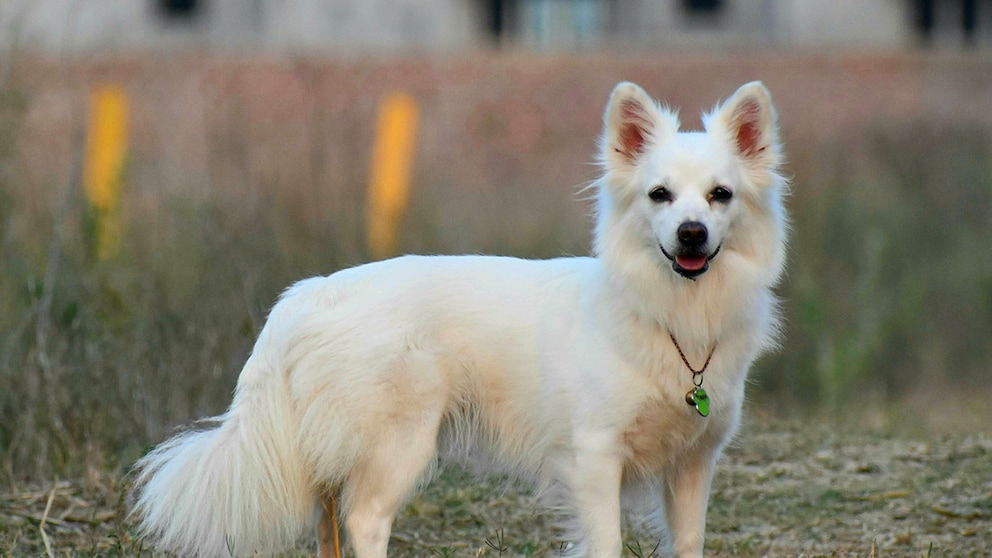
Particularly striking are its pointed, fox-like ears, dense white coat, and expressive face. Despite frequent confusion with the smaller Pomeranian, the Indian Spitz is a distinct breed with clear distinguishing features. For families, city dwellers, or active individuals, it is a reliable, friendly companion–provided it receives sufficient attention and exercise.
Origin
The origin of the Indian Spitz can be traced back to the colonial era in the 19th century when British occupiers brought German Spitz to India. The goal of breeding was to develop a variant that could better withstand India’s climatic conditions without sacrificing the positive traits of the German Spitz, such as intelligence, alertness, and social behavior. Over generations, the breed was locally adapted, resulting in a robust, heat-tolerant household dog.
The popularity of the Indian Spitz peaked in the 1980s and 1990s. This was due to government import restrictions that severely limited access to foreign dog breeds. During this time, the Indian Spitz became the preferred choice among city dwellers and families. Despite declining international recognition, the breed remains widespread and appreciated in India–not least due to media appearances, such as in the film “Hum Aapke Hain Koun,” where an Indian Spitz appeared as the film dog Tuffy.
Appearance & Coat
The Indian Spitz has a typical spitz body structure: compact, well-proportioned, with a short back and medium-length legs. The head is wedge-shaped with a pronounced, conical muzzle. The high-set, pointed ears resemble those of a fox and are surrounded by dense hair. The eyes are almond-shaped, with clearly visible irises that occasionally appear green or blue–a feature that contributes to the distinctive expressiveness of this breed. The Indian Spitz carries its bushy tail curled over its back.
The coat consists of a dense double layer, with the topcoat being soft and the undercoat voluminous. The most common coat color is milky white, but variations in brown and occasionally black-and-white mixes occur. Overall, the dog appears plush and well-groomed–a trait that requires regular care. Depending on size, there are two variants: the Lesser Indian Spitz (22–25 cm shoulder height, 5–7 kg) and the Greater Indian Spitz (35–45 cm shoulder height, 12–20 kg).
Character & Temperament
The Indian Spitz is considered lively, friendly, and exceptionally people-oriented. Its communicative nature, quick comprehension, and high social compatibility make it an ideal family dog. It is known for getting along well with children and other pets–including cats–especially when socialized early. Although it is alert and observes its surroundings attentively, it generally lacks the aggressiveness to be used as a serious guard dog. Instead, it scores with its attachment and adaptability.
Particularly noteworthy is its high intelligence: The Indian Spitz quickly understands human moods and responds sensitively to them. Its playful nature also ensures a close bond with its caregivers. However, it does not tolerate being alone well and needs close social connections.
Training
Training the Indian Spitz is relatively straightforward–provided it begins early and uses positive reinforcement. This intelligent breed responds well to praise and treats but poorly to harsh training methods. Consistency, patience, and a playful training approach encourage a love of learning. Basic obedience and socialization should start in puppyhood to prevent unwanted behaviors like barking or nervousness.
Due to its alert mind, the Indian Spitz is also suitable for simple trick or agility exercises. Regular short training sessions help ensure its mental stimulation. Especially in urban environments, it is important to accustom the animal early to environmental stimuli, strangers, and other animals.
Proper Care & Maintenance
Despite its dense coat, the Indian Spitz copes well with heat–a result of decades of adaptation to the Indian climate. Nevertheless, it should always have access to shaded areas and fresh water during high temperatures. Thanks to its compact size and flexibility, it feels comfortable in both small city apartments and houses with gardens. The prerequisite is sufficient exercise in the form of walks and play sessions.
The grooming effort is moderate but should not be neglected: The dense double coat should be brushed at least twice a week with an undercoat brush. During the shedding season, daily brushing is advisable. Bathing should be done sparingly to maintain the natural oil layer of the skin. Ears, teeth, and claws require regular checks.
Nutrition
A balanced, high-quality diet is crucial for the health of the Indian Spitz. In puppyhood, a protein-rich diet that supports growth is recommended. Adult animals need a balanced ratio of proteins, fats, and carbohydrates–adjusted to activity level and weight. In senior years, attention should be paid to calorie-reduced food with additional fiber and joint nutrients (such as glucosamine).
Overfeeding should be avoided, as the Indian Spitz can be prone to obesity, which can affect its mobility and life expectancy. Fresh drinking water should always be available–especially in high temperatures. If there are uncertainties about the composition of the food, consulting a veterinarian can be helpful.

Mittelspitz–once Widespread, Now One of the Rarest Dog Breeds in Germany

Not a Dog for the city! Correct Keeping of the Yakutskaya Laika
Susceptibility to Certain Diseases
The Indian Spitz is generally considered a robust breed, but some health weaknesses occur more frequently. These include a tendency toward corneal ulcers, which affect the eye and must be treated by a veterinarian early. Skin allergies and coat problems due to improper care or incorrect nutrition can also occur.
Since the Indian Spitz is an active dog, attention should also be paid to joint health–especially in cases of obesity. Another potential weakness is the genetic susceptibility to hip dysplasia. Regular check-ups with the veterinarian, a balanced diet, exercise, and consistent coat care are important measures for maintaining health.
The Indian Spitz at a Glance
- Size & Weight: Lesser (22–25 cm, 5–7 kg); Greater (35–45 cm, 12–20 kg)
- Coat: Dense double layer
- Character: Friendly, affectionate, playful, intelligent
- Grooming Needs: Regular brushing, especially during shedding season
- Trainability: High–responds well to positive reinforcement
- Special Features: Often confused with the Pomeranian, but larger and less compact