

October 18, 2025, 2:07 pm | Read time: 5 minutes
With its graceful body, finely structured head, and speeds of up to 43 mph, the Galgo Español is not only a visual highlight but also an exceptional athletic talent. However, its true potential is revealed in the interplay of character and temperament: calm, loving, and sensitive. A sighthound with history—and many facets you should know before deciding on one.
Origin
The Galgo Español, or Spanish Greyhound, belongs to the group of sighthounds and is deeply rooted in Spanish hunting culture. Its origins date back to antiquity—according to historical records, Galgo-like dogs were used for hunting by the Celts as early as 600 B.C. The Celts brought the dogs to Spain during their migrations. After the Roman conquest, the animals were called “Canis Gallicus” (Gallic dog)—a name that later evolved into “Galgo.”
From the 16th century, many Galgos made their way to Great Britain and Ireland, where they were crossed with local sighthound breeds. These breeding crosses led to the development of the Greyhound, among others. As a result, the purebred Galgo Español was increasingly displaced over the decades. The mass use for sighthound racing and further crossings with Greyhounds nearly led to the disappearance of the original Galgo line. Only recently has there been a shift in thinking to preserve the original breed and protect it from extinction.
Appearance & Coat
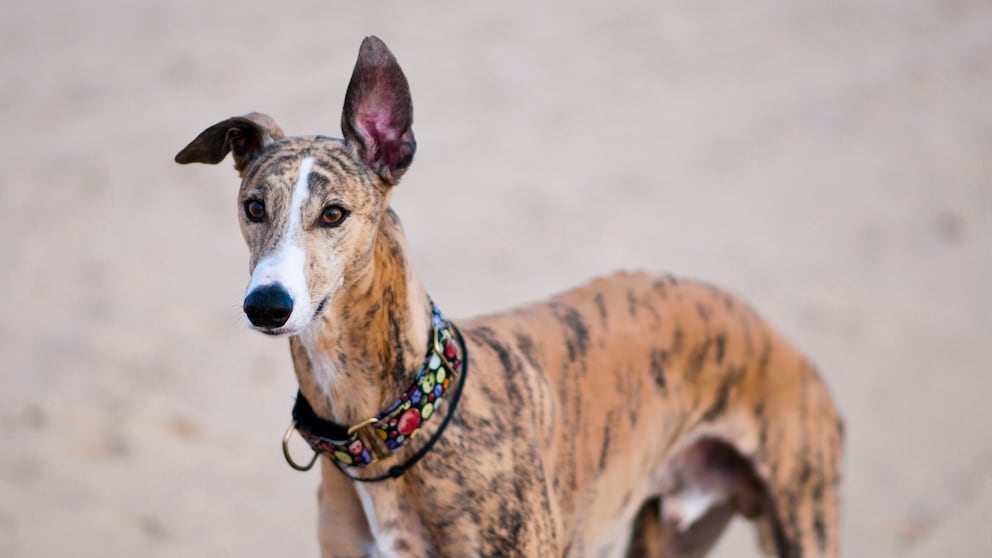
The Galgo Español impresses with its elegant appearance: a slender yet muscular build with strikingly long legs, a narrow head, and a deep chest. The long tail, which extends beyond the hock, and the medium-sized ears, often folded back, give it a distinctive silhouette.
The Galgo’s coat comes in two varieties: short-haired with very fine, smooth hair or medium-length with a wiry texture. Both varieties show a wide range of colors—from brindle to black, white, beige, and spotted. However, both types lack an undercoat, making the Galgo particularly sensitive to cold. In the cold season, it relies on warm dog clothing to stay healthy.
Character & Temperament
The Galgo Español is known for its gentle and reserved nature. Many owners describe it as calm, friendly, and exceptionally affectionate without being intrusive. These sighthounds are intelligent and capable of learning, but they tend to be somewhat independent—a typical trait of their original hunting use.
In social interactions, they are generally compatible with both people and other dogs. This makes them pleasant family dogs, provided their pronounced hunting instinct is taken into account. Indoors, they are surprisingly calm and cozy—true couch lovers—but outdoors, their instincts awaken. A secure environment for controlled free running is essential, as the hunting drive is difficult to suppress.
Training
Training a Galgo Español requires empathetic consistency and a lot of patience. Positive reinforcement is particularly important, as these sensitive animals often respond to harsh training methods with withdrawal or insecurity. Their intelligence makes them generally trainable, even if they occasionally show stubborn traits.
Especially during the puppy phase, owners should be understanding—Galgos sometimes take longer to become house-trained. Early socialization, especially in dealing with other animals and people, significantly contributes to the development of a balanced nature. Consistent leash training is also important—the hunting drive usually remains throughout their life.
Proper Care & Maintenance
Galgos are surprisingly uncomplicated in apartment living—provided they get enough exercise daily. An ideal setup is a secure running area where they can sprint regularly. A well-fenced garden is also beneficial. Those living in a city apartment can keep a Galgo, but must plan for plenty of time for physical and mental activity.
The Galgo is particularly low-maintenance when it comes to its coat: short brushing is entirely sufficient for the short-haired variety. Medium-length coats may require a bit more grooming. Special attention is needed for cold protection—due to the lack of undercoat and low body fat, Galgos are sensitive to cold and wet conditions.
Nutrition
The nutrition of the Galgo Español is fundamentally no different from that of other dogs. Special sighthound food is generally not necessary. The quality is crucial: high-quality food with a high meat content, few artificial additives, and easily digestible ingredients is recommended.
Particularly with dry food, attention should be paid to the ingredients, as unnecessary additives can increase the risk of intolerances or allergies. The amount of food should be adjusted to the activity level, with smaller portions spread throughout the day to support digestion.

The Azawakh Requires a Delicate Touch and Consistency

Rare Hybrid Breed! Have You Heard of the Lurcher?
Susceptibility to Certain Diseases
The Galgo Español is considered a robust and long-lived breed. There is currently no documented genetic susceptibility to hereditary diseases. Nevertheless, as with any breed, owners should ensure responsible breeding and regular veterinary check-ups.
The low body fat makes Galgos prone to hypothermia—especially in wet or cold weather. Pressure points, such as from hard surfaces, should also be monitored. Otherwise, the Galgo is generally healthy and can live up to 15 years with proper care.
The Galgo Español at a Glance
- Character: affectionate, calm & sensitive
- Size: 24–28 inches at the shoulder
- Weight: 55–66 pounds
- Coat: short or medium-length, fine, without undercoat
- Care needs: low, but sensitive to cold
- Special features: needs a secure running area, strong hunting instinct, suitable for apartment living with enough exercise