

May 21, 2026, 6:30 am | Read time: 3 minutes
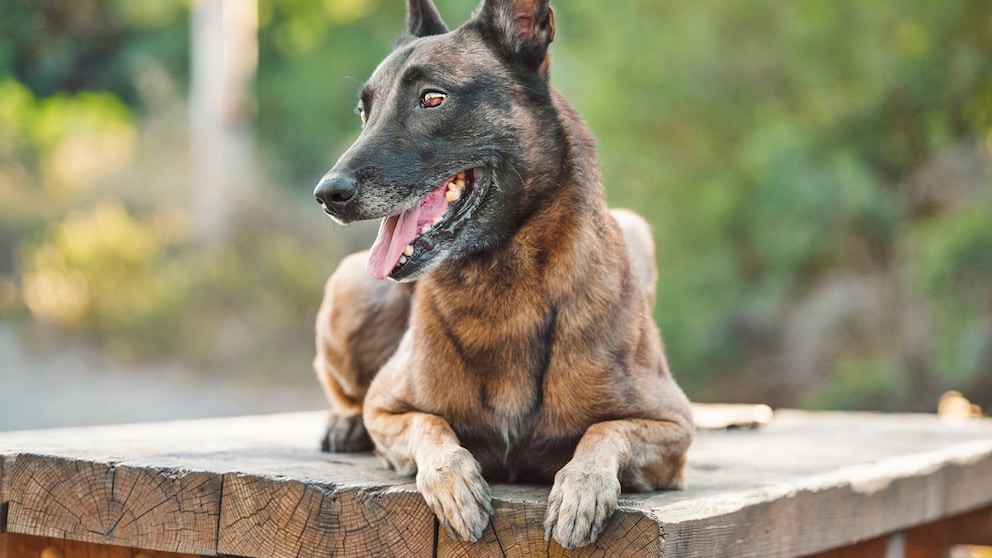
A Malinois in action is pure precision: highly focused, lightning-fast, tireless. No wonder more and more private individuals are falling in love with the athletic Belgian Shepherd. But this is often where the problem begins. What impresses in service can quickly become overwhelming in the living room.
Malinois Among the Most Popular Service Dogs
Whether detecting drugs, explosives, corpses, or avalanche victims, anyone who has seen a Malinois “on duty” knows: This is a professional at work, solving tasks with intense focus alongside its handler.
Originally bred as a working and utility dog, the short-haired variety of the Belgian Shepherd has a very high drive for work and movement, is extremely trainable, fast, and resilient. It’s no surprise that the Malinois is among the most popular service dogs worldwide.
Lack of Engagement Has Serious Consequences
In recent years, more private individuals, including novice dog owners and families, have become enamored with this demanding specialist. Often with fatal consequences: A Malinois is highly driven and quickly becomes under-stimulated.
It wants to work and requires consistent training. If not properly engaged, it quickly develops behavioral issues such as nervousness, chronic stress, destructive behavior, excessive monitoring and restricting of visitors, strangers, or children, aggression, and displacement activities.

Martin Rütter Sharply Criticizes Dog Protection Sport! Experts React

Why Hardly Anyone Knows the Dutch Shepherd
The Malinois Is Not a “Problem Dog”
In recent years, more Belgian Shepherds have been surrendered to shelters because they simply become too much for their owners. But the loud, chaotic shelter environment is pure stress for this sensitive breed, coupled with mental under-stimulation–further behavioral issues are inevitable. A vicious cycle begins. Yet, the Malinois is not a “problem dog”–it only develops behavioral abnormalities under improper leadership and care.
So, is the Belgian Shepherd fundamentally off-limits for private individuals? Not at all–future owners should just be aware that three walks a day are not enough.
What the Malinois Needs
A Malinois requires not only sufficient physical activity but also daily mental engagement. This can be achieved through demanding obedience training, nose work such as mantrailing or tracking, and structured trick or search games. The active and eager-to-learn Belgian also thrives in dog sports like agility.
In addition to sufficient engagement, regular rest periods are equally important for this breed. These need to be initially guided, as a Malinois tends to be constantly on edge and struggles to relax without human assistance. A competent dog trainer can be a great support here, especially for “Malinois newcomers.”
Those who are willing to invest several hours daily and work with knowledge and calmness on training and engagement will be rewarded with a loyal, reliable, and balanced companion.