

March 12, 2026, 10:51 am | Read time: 6 minutes
It grows in snails, thrives in the rain, and can infect the brains of humans and animals: The rat lungworm is spreading worldwide–along with the fear of an underestimated infection risk. Studies from Europe and Australia show alarming developments. How great is the risk for dogs in Germany?
Infection with Potentially Fatal Outcome
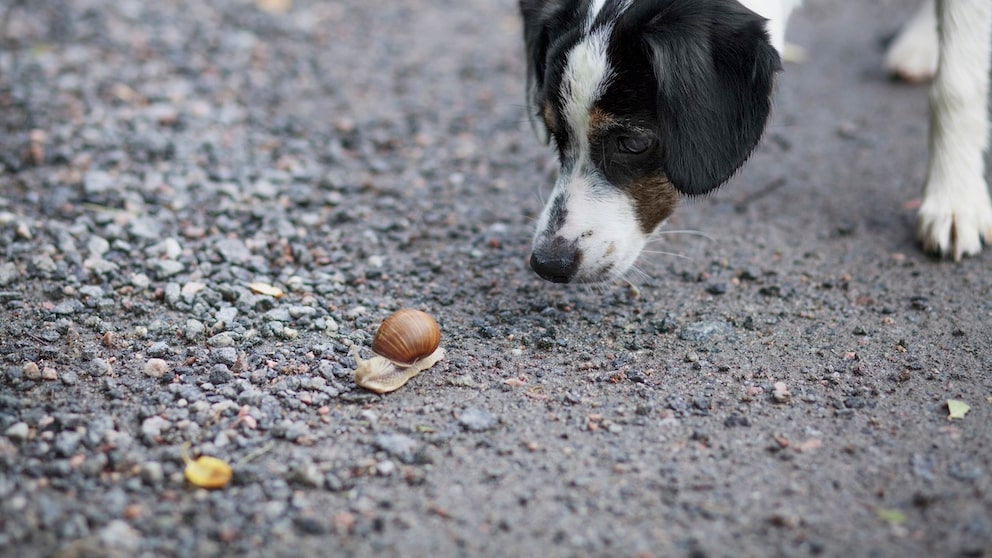
A small parasite hiding in gardens and thriving in the rain is causing great concern: The rat lungworm (Angiostrongylus cantonensis) infects rats but is also transmitted by so-called “killer snails.”
The species is spreading globally at an increasing pace, causing a growing number of severe infections in dogs–with potentially fatal outcomes or lasting neurological damage. The following provides information on what is known and how likely the spread of this dangerous creature is in Germany.
Rat Lungworm Already in Europe
Angiostrongylus cantonensis is among the lungworms. Various species of these parasites are known in Germany and can be transmitted primarily through snails. Depending on the type of lungworm, both cats and dogs can be affected (PETBOOK reported).
However, the rat lungworm is considered a particularly dangerous species–and a beneficiary of climate change. Originally described as a single species in China in 1935 (hence the species name cantonensis), this specific worm has spread from Asia to large parts of the world.
It is of utmost concern in Australia, where infections with the parasite have been known for 50 years but are now increasingly seen in dogs. However, the rat lungworm is already native to parts of Europe. A look at the studies shows how concerned veterinarians and biologists are.
Australia Identifies 93 Cases in Dogs
A study by the University of Sydney documented 93 cases in dogs between 2020 and 2024. However, lead researcher Phoebe Rivory warns: This number is likely just “the tip of the iceberg,” as many cases go undetected. The doctoral candidate in the Veterinary Parasitology Research Group at the University of Sydney has conducted extensive research on this topic in recent years.
In her latest study, Rivory and her team demonstrated that certain factors favor the spread of lungworms. The researchers report an increase in cases since 2010, with dogs proving to be “sentinel species”–a sensitive early warning indicator.
What Favors the Spread of Rat Lungworms
The disease caused by the rat lungworm, also known as neural angiostrongyliasis, affects the central nervous system of so-called accidental host species like dogs and humans. The parasite is transmitted through the consumption of infected snails, food contaminated by infected rats, or contaminated water.
The larvae of the worm migrate to the brain as the infection progresses, causing severe inflammation that often leads to paralysis and even death in dogs. According to researchers, the rise in infections is closely linked to climate change and increasing urbanization.
In recent years, particularly rainy weather has favored the proliferation of snails and slugs, especially on Australia’s east coast–peaking in 2022 when 32 dogs were infected. 1
Also Arrived in Spain
However, sightings are not limited to cases from “Down Under.” Various species have also been infected in Spain, and intensive research on the rat lungworm is being conducted at the Cardenal Herrera-CEU University in Valencia. In recent decades, occurrences have also been documented on European islands–such as the Canary Islands and Mallorca.
European researchers primarily see increasing globalization, international trade, and climate change as reasons for the growing number of cases in Spain and the spread of the parasite in temperate climates. The findings in Valencia could thus not only be a scientific sensation but also mark the beginning of a new phase in the spread of the disease.
In a 2023 study, researchers were able to show that nine percent of rats in Valencia already carry the virus. It didn’t matter whether it was the brown rat (Rattus norvegicus) or the black rat (Rattus rattus). This was true for animals from both urban and rural areas, indicating a widespread presence in the region. The detection in two different rat species also suggests a possible adaptation and long-term establishment of the parasite in the ecosystem. 2
The 13 Deadliest Animals in the World–Why Sharks Rank Last

Recognizing and Treating Heartworms in Dogs
Lungworm Can Infect Various Species
Further investigations by the research group from Valencia show how serious the problem could become in Spain. In April 2025, a study was published documenting cases in many different animals, including house mice, hedgehogs, various lizards, and even primates.
Three lemurs–a red-fronted lemur (Eulemur rufus) and ring-tailed lemur (Lemur catta)–fell ill at the Bioparc Valencia. The animals exhibited neurological symptoms such as paralysis and coordination disorders. Two animals died, and one was euthanized. A pathological examination confirmed that all three were infected with the rat lungworm. 3
How to Protect Yourself and Your Dog
Neural angiostrongyliasis can also cause severe neurological symptoms in humans, such as eosinophilic meningitis, paralysis, or even death. Between 1971 and 2018, 28 cases were documented in Australia. The most well-known case is that of Sam Ballard, a young rugby player from Sydney. In 2010, he took a dare and ate a garden snail. He became infected, fell into a 420-day coma, and suffered severe brain damage for eight years before dying in 2018 at the age of 28.
Currently, no cases of rat lungworm infection are known in Germany, but the Tropical Institute issued a warning in 2023 following the first investigations from Valencia. Therefore, anyone traveling to Spain with their dog should keep a few things in mind:
- Do not consume raw or undercooked snails
- Always prevent dogs from eating snails or wet grass after rain
- Thoroughly wash fruits and vegetables
- Watch for early symptoms and see a (veterinary) doctor immediately
While infection with a rat lungworm is potentially fatal, there are some treatment options if detected early.
However, caution should also be exercised in home gardens and when walking dogs. As mentioned earlier, there are other lungworms that dogs can become infected with locally. You can protect yourself with the same methods mentioned above and additionally ensure that you always wear gloves when gardening. Prevention is crucial, as once the parasite reaches the brain, the chances of recovery are drastically reduced.