

November 14, 2025, 9:59 am | Read time: 4 minutes
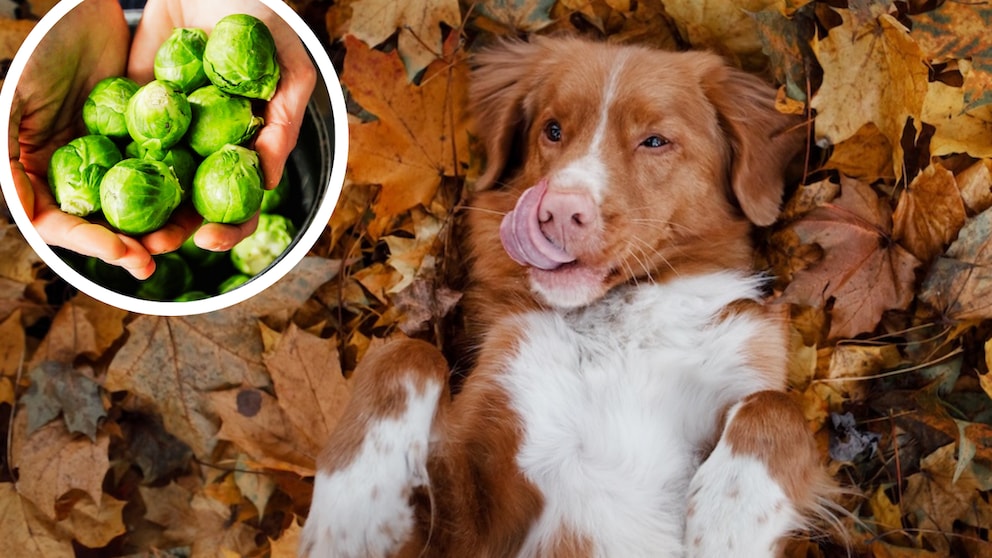
Roasted, cooked, or raw—many people love Brussels sprouts, especially in the cold season. But what is a healthy winter vegetable for us raises questions for many dog owners: Can dogs actually eat Brussels sprouts? PETBOOK explains whether the little sprouts are suitable for four-legged friends, what benefits they offer, and what owners should definitely pay attention to.
What Makes Brussels Sprouts So Special
The small green balls are a welcome vegetable on many plates in the fall and winter. Especially during the cold seasons, we cook them, put them in the oven, and sometimes even serve them caramelized. And this is not new: The first Brussels sprout plants (Brassica oleracea var. gemmifera) were planted near Brussels in the 16th century—hence they are also known as Brussels cabbage. By the 19th century, cultivation had spread throughout Europe.
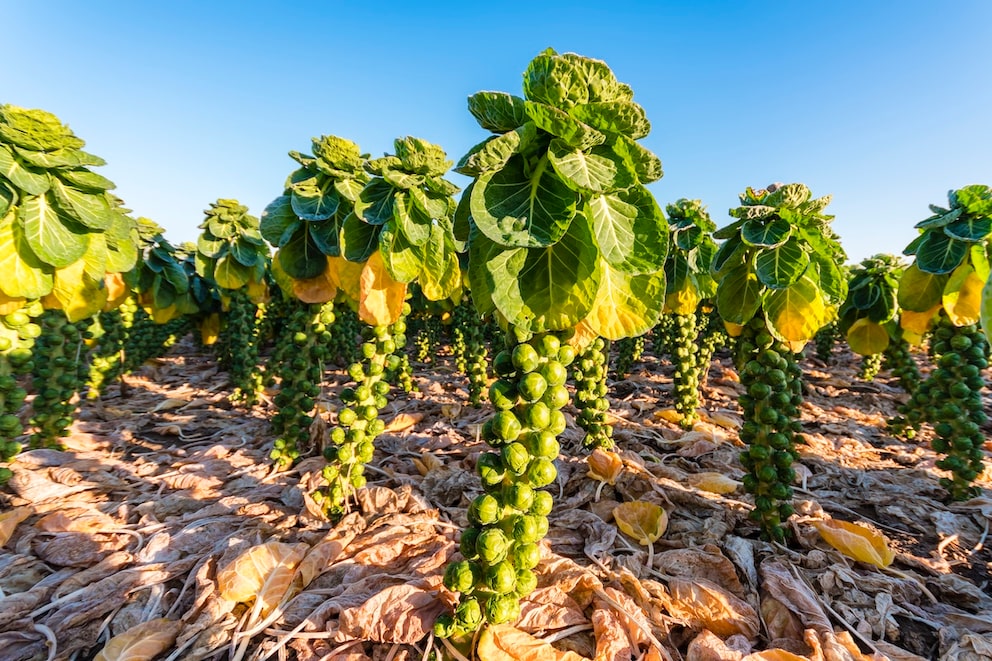
Brussels sprouts grow in the form of small balls along a stalk that can reach up to 90 centimeters high. Like broccoli and cauliflower, Brussels sprouts are also part of the cruciferous family. They are harvested between October and December. During this time, you can often find nets of sprouts in supermarkets.1
Can Dogs Eat Brussels Sprouts?
Brussels sprouts can also be on the menu for dogs. Many components of Brussels sprouts can have a positive or supportive effect on a dog’s body. However, there is also a downside. You might know this: After eating cabbage, your stomach suddenly bloats. It’s not just an unpleasant feeling; it can also lead to stomach pain.
It’s similar for dogs—eating too many of the little sprouts can cause a dog’s stomach to rumble. But why is that? Brussels sprouts contain isothiocyanate, a chemical compound commonly known as “mustard oil.” In humans, mustard oil can stimulate digestion in moderation. For dogs, it’s different: Mustard oils can cause pain and bloating in their stomachs.
So if you want to feed your dog Brussels sprouts, it depends on the amount of sprouts.2
How Much Brussels Sprouts Can a Dog Eat?
The question can’t be answered in general terms. What is certain is that a dog should only receive Brussels sprouts in small amounts, no more than twice a week. How many Brussels sprouts you should ultimately feed your dog depends on the size of the dog. Small dogs should get a maximum of two sprouts per day. Larger dogs can eat up to three or four sprouts. If you’re unsure, it’s helpful to consult a veterinarian or a nutritionist. This provides clarity, especially if your dog is prone to stomach pain.3
Nutrients in Brussels Sprouts
The little sprouts contain a lot of potassium, even more than bananas or potatoes. Potassium is one of the most essential minerals for dogs—their bodies need it for nerve function and muscle contraction. But Brussels sprouts have more to offer: 100 grams of Brussels sprouts contain 112,000 micrograms of vitamin C.4
Nutrients per 100 Grams of Brussels Sprouts:
- Vitamin A (Retinol equivalent): 79 μg
- Vitamin B1 (Thiamine): 126 μg
- Vitamin B2 (Riboflavin): 134 μg
- Vitamin B3 (Niacin): 670 μg
- Vitamin B6 (Pyridoxine): 350 μg
- Folic Acid (Vitamin B9): 101 μg
- Vitamin C: 112,000 μg
- Vitamin E (Alpha-Tocopherol): 560 μg
- Vitamin K: 153 μg
- Potassium: 450 μg
This abundance of vitamins and minerals makes Brussels sprouts a real nutrient package—not just for us humans, but also for dogs.

Can Dogs Eat Radishes?

Can I Give My Dog Artichokes?
Dogs Can Also Eat Brussels Sprouts Raw
In addition to a lot of vitamin C and potassium, Brussels sprouts also contain valuable antioxidants. These support the immune system and promote the health of the dog. However, they are heat-sensitive and must be prepared gently. Brussels sprouts contain the most antioxidants in their raw state. Dogs can eat Brussels sprouts raw if they tolerate them. If you notice that your dog shows discomfort during or after eating, you should consult a veterinarian and avoid feeding them raw Brussels sprouts in the future.
Brussels sprouts can also be steamed, pureed, or thoroughly cooked for dogs. It’s important not to season the Brussels sprouts or prepare them with oil.
Brussels Sprouts Only in Moderation and with Caution
Brussels sprouts can be part of a dog’s diet—but only in small amounts and not too often. It’s important to gradually introduce the dog to the vegetable so that its digestive system can slowly adjust. Puppies should only receive small portions gradually, as their digestive systems are particularly sensitive. If the dog shows signs of stomach or intestinal issues, a veterinarian should be consulted before the next feeding.