

April 16, 2026, 4:14 am | Read time: 6 minutes
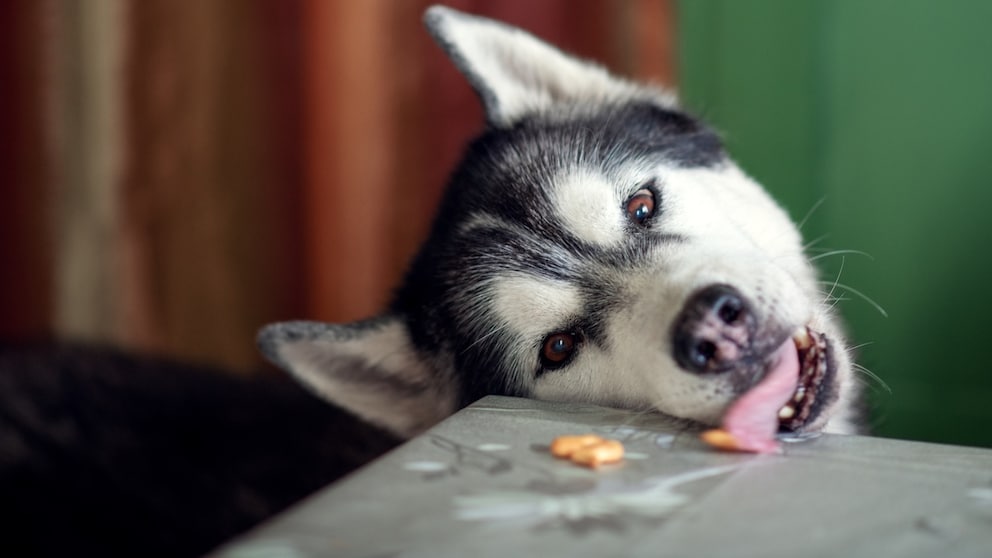
In Germany, around 752 million euros were spent on dog snacks in 2024. Moreover, unfortunately, more than half of all dogs in Germany are now considered overweight. Why many treats are more harmful to dogs, what low-calorie alternatives exist, and how to restore the right balance between food and snacks are explained by PETBOOK author and dog nutritionist Philine Ebert.
Treats as a Health Risk
Dog snacks include not only treats but also all types of chew foods, chew bones, dog biscuits, dog cakes, and special snacks like puppy sticks or dental care sticks.
These additional snacks are often underestimated. Few people include them in the actual daily needs of the dog. However, excessive calorie intake poses a long-term health risk. Not only obesity but also resulting complaints or diseases can severely limit the health and well-being of the dog.
The Everyday Trap–When Snacks Become Routine
Conventional snacks and treats are often not only unhealthy but true calorie bombs. These industrially processed snacks have the most calories, contain few nutrients, and often include sugar and unnecessary additives.
If treats and snacks are not only used as rewards, such as in training, search and hide games, for occupation or distraction, but are given just in between and without reason, a routine eventually sneaks in unnoticed.
Why Treats Can Harm Dogs
The normal portion of the primary food should provide the main energy the dog’s body needs. When countless snacks and treats with additional, sometimes substantial calories are added throughout the day, it quickly exceeds the daily requirement.
The calories from treats and additional snacks should always be considered, included in the daily requirement, and deducted from the main food portion, but unfortunately, many owners do not consider this. The high consumption of additional treats inevitably shows on the scale in the long run.
What Happens When Dogs Consistently Get Too Many Treats
If calorie intake is too high compared to consumption, it shows in weight gain, decreased activity, and a changed silhouette of the animal. The belly appears round, sags, and fat deposits are clearly visible. A normal-weight dog has an athletic figure appropriate to its breed. The chest narrows towards the back. The ribs should not be visible but easy to feel. In the side profile, the belly line should clearly rise from front to back.
Continuous weight gain not only changes the visual appearance. The activity level decreases. The animal is no longer as resilient, appears sluggish, or even unathletic. The gait changes. Metabolic problems, joint issues, dental problems, respiratory and cardiovascular problems can be long-term consequences.
How Many Snacks or Treats Are Healthy and Allowed?
In general, snacks and treats should not make up more than ten percent of the dog’s total daily calorie intake. The remaining 90 percent of calories should come from the main meal, which should be balanced and healthy food.
Example: Ratio of Food to Snack:
- An adult dog weighing 15 kg needs about 900 calories daily with normal activity.
- This requirement should be covered 90% by food.
- If the snack portion should only be 10%, that’s just 90 calories.
This also always depends on the constitution, size, age, activity, health status, and breed of the dog.
The exact calorie needs of a dog can be calculated individually. For this, one should seek expert support. A veterinarian or a certified dog nutritionist can create a feeding plan and calculate the correct distribution of food and snacks.
How Can Dogs and Owners Escape the Snack Trap?
First, as an owner, you can refer to the information on the packaging of dog snacks. Here, the manufacturer always provides a feeding recommendation based on the size or weight of the dog. The recommended daily consumption should not be exceeded.
Keeping a snack diary for one or two weeks quickly reveals which snacks are too much or unnecessary. The goal is to consciously pay attention again to the situations or times when the dog gets something extra. Treats should generally only be used for training or as a reward, when something has been achieved.
Opt for Low-Calorie Alternatives
The daily ration of rewards can be permanently reduced, and conventional treats can either be replaced by low-calorie alternatives or by part of the dry food ration. Larger snacks for occupation should ideally be associated with a special event or a positive situation, such as keeping the dog occupied in a restaurant.
It doesn’t always have to be a whole snack or a whole chew stick. Many chew items can also be easily divided.
Healthy animals with good teeth are kept busy longer when given hard chew products like pig ears or bully sticks. Longer enjoyment and occupation can also be achieved by using lick mats, filled activity toys, frozen fruit pieces, yogurt or fruit ice cubes, and hidden food in sniffing mats or snack toys.
Chewing wood, roots, and antlers is a calorie-free occupation, good for dental care. They guarantee long-lasting chewing pleasure.
Healthy Alternatives to Conventional Treats and Snacks
Many foods are excellent substitutes for conventional, purchased snack products or treats. They not only have significantly fewer calories but are also true superfoods and thus a healthy addition to regular food.
Examples:
- Vegetable pieces such as carrots, cucumber, and pumpkin
- Fruits such as berries, apple pieces, bananas, blueberries, and strawberries
- Dried, dehydrated, or freeze-dried pure meat, without additives
- Dried rabbit, pig, or cow ears, scalp, or other hard chew snacks that keep them busy for a long time
- Homemade treats or cookies made from natural, low-calorie ingredients
Calorie Content of Common Snacks (Note that Some Have High Fat Content):
- Beef hide bone: 190 g = approx. 700 kcal
- Dried beef lung: 300-400 kcal/100 g
- Dried cow ears: approx. 300 kcal
- Bully stick: 65 g approx. 280 kcal
- Cheddar cheese cubes: 60 g = approx. 250 kcal
- Pig ear 1 piece: approx. 65g = approx. 200-300 kcal
- Dried tripe: 25 g = approx. 200 kcal
- Chew roll wrapped with chicken: 375 kcal/100g
- Air-dried chicken fillet strips: 300 kcal/100 g

4 Recipes for Homemade Dog Ice Cream
Can Dogs Actually Eat Watermelon?
Snacks and Treats with Fewer Calories (Note the Fruit Sugar Content!):
Fruits and vegetables are ideal as whole pieces (whole carrot for nibbling), fresh, dried, or frozen (in summer), as treats in small cubes or pieces for on the go. Even though they are very healthy snacks with few calories, the amount should be increased slowly to prevent digestive problems. If a dog is not used to these foods, it takes some time for the body to adjust.
- Apple: approx. 55 kcal
- Carrots: 40 kcal
- Blueberries: 40-60 kcal
- Watermelon: 30-40 kcal
- Pumpkin: approx. 25 kcal
- Cucumber: 15 kcal
My Conclusion: Less Is More!
Snacks or rewards quickly become a given over time. Eventually, you lose control and oversight. My recommendation is: Less is more!
If you’re already caught in the everyday snack trap, reduce and replace the usual treats with low-calorie alternatives that are new and thus incredibly interesting. Let larger snacks like chew sticks become something special again. For example, as a targeted reward for an extraordinary achievement. With a little consistency and creativity, your dog will quickly learn to appreciate additional snacks again. And with enough exercise, the pounds will also start to drop off on their own.