


November 23, 2024, 3:06 pm | Read time: 3 minutes
Walking the dog in winter is sometimes anything but a pleasant stroll. Yet the dog needs to go out–despite snow, cold, and darkness. What should be considered?
From November to January, the sun is rarely seen. Dog walking often takes place in the dark during this time. And then there’s the cold. But how do you protect your furry companion during winter walks? Here are five tips.
Tip 1: Dog clothing must fit well
For dogs sensitive to cold, a dog coat can be a good choice. It protects against freezing temperatures and reduces the risk of colds. It’s important that the clothing fits well and doesn’t restrict the dog’s freedom of movement.
“The best fit can be adjusted with a Velcro fastener. As an alternative to Velcro, a click fastener with an adjustable strap length is suitable,” says Judith Förster, a pet expert at Vier Pfoten. Ears and tails should not be covered to avoid limiting communication with other dogs.
Tip 2: Increase visibility with a light-up collar
Dark streets or poorly lit paths are common in winter. To ensure the dog is visible in the dark, a light-up collar is recommended. “Dogs should stand out as much as possible in the dark,” advises biologist Förster. There are subtly glowing collars available for this purpose.
For long-haired dogs, light-up collar tags or vests with integrated lights are a sensible alternative, as a simple collar can disappear in the fur. An important note: “It’s best not to set LEDs to blink mode, as this can confuse the animals,” advises the pet expert.
Also of interest: The 13 best light-up collars for dogs at a glance
Tip 3: Don’t forget reflectors and leashes
Reflectors improve visibility in traffic, ensuring dogs are more easily noticed. If you don’t want to put a reflective dog coat on your pet, you can alternatively use reflective leashes or models with integrated LEDs for added safety. Especially at dusk, when wild animals are more active, dogs should definitely be leashed. This allows for better control and minimizes the risk of hunting-prone dogs breaking free.
This also applies to dog owners: Anyone out in the dark should be visible themselves, such as through reflective clothing or flashlights.

What Puppy Owners Should Watch for in Fall and Winter

Dog Pulling on the Leash? Why It’s Especially Dangerous in Fall
Tip 4: Dog goggles for walking in the snow
It may look a bit funny, but in the snow, special dog goggles can be useful. “They protect the eyes from harmful UV rays,” says Thomas Steidl, a veterinarian for small and domestic animals. Snow intensifies UV radiation, which can lead to painful inflammation of the cornea and conjunctiva. Watery eyes or red conjunctiva can be signs of such inflammation.
The goggles are secured with an elastic band, similar to swimming goggles. Important: The dog should be gradually accustomed to wearing goggles.
Tip 5: In winter, shorter but more frequent walks
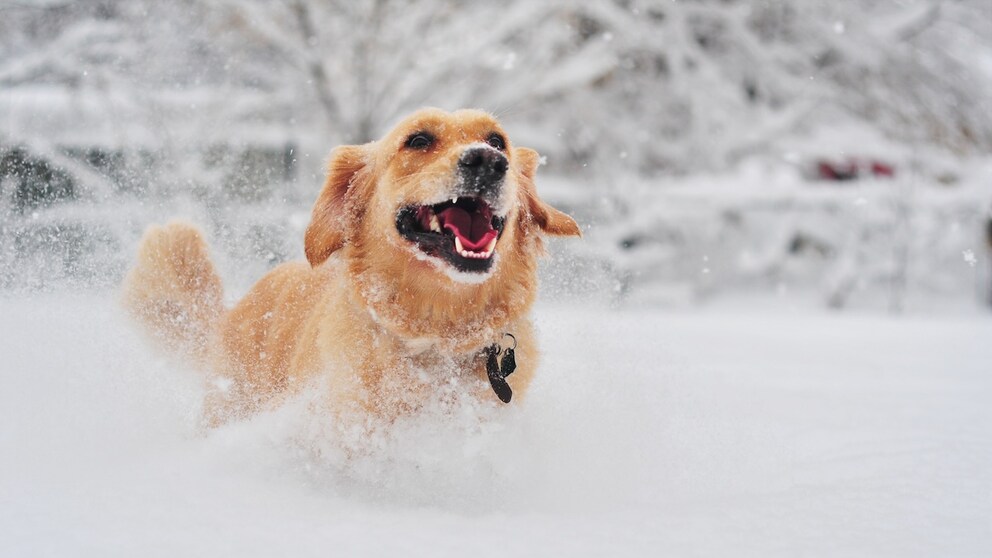
When temperatures are below freezing, especially small dogs or those with little undercoat may get cold quickly. Even if the dog enjoys playing in the snow and continues to trot along happily, it may lose a lot of warmth. Therefore, it’s important to keep a close eye on your pet and incorporate shorter but more frequent walks into the daily routine. This way, the dog doesn’t cool down unnecessarily and still gets enough exercise. Signs that the dog is cold include shivering, as well as a stiff posture with a tucked tail.
With material from dpa