

January 5, 2026, 3:07 pm | Read time: 5 minutes
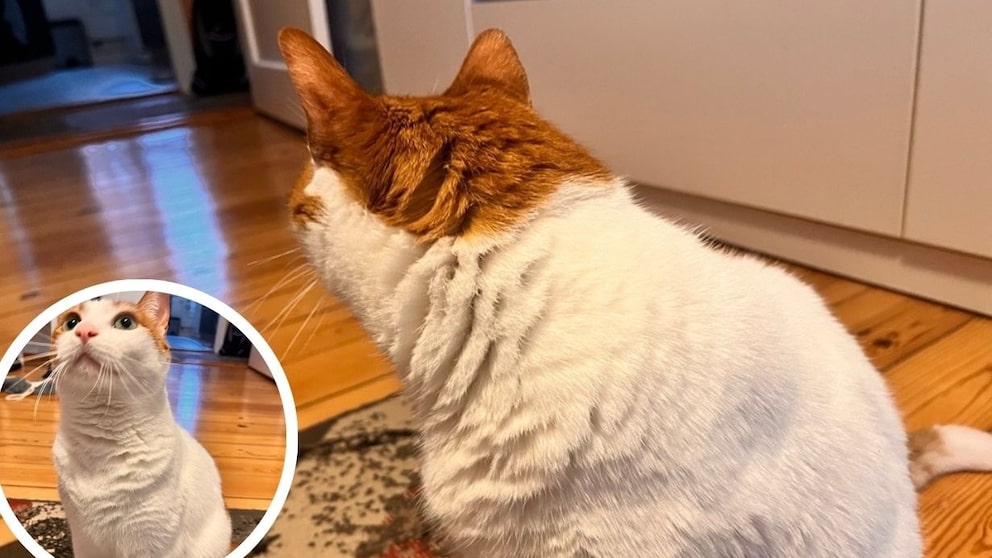
A new term is making the rounds among cat lovers on social media: garlic clove fur. This refers to particularly plush, layered fur that looks as if the cat’s coat consists of many overlapping layers. Why do some cats look like this? There are plenty of theories circulating online.
Garlic Clove Fur Is Idealized—if Necessary with Discount Codes for Premium Food
On social media, garlic clove fur is now seen as the ultimate proof of good cat care. Posts and comments confidently claim that this layered, fluffy fur only develops in “properly” fed cats: High-quality food supposedly stretches the skin slightly, causing the fur to lie in soft layers—just like garlic cloves.
According to the narrative, anyone who pets such cats immediately feels that the animal is visibly thriving. Comparison images that supposedly separate poor from exemplary care are particularly popular. Posts with #GarlicCloveFur quickly attract discount codes for high-quality food subscription models. Owners who don’t notice this specific fur structure in their pets are said to feed cheap dry food and forget their animals’ meals.
The message is always the same and often dramatically exaggerated: The fur structure supposedly reveals everything about the quality of care. The fact that these claims are neither scientifically proven nor distinguish between observation, opinion, and marketing doesn’t matter in the social media narrative—the right look is enough as proof.
Bushy and Healthy or Unkempt?
Allegedly, this layering only occurs when cats receive high-quality, protein-rich food and are regularly brushed. Some compare the feeling when petting to a particularly airy cotton ball—soft, springy, almost excessively fluffy.
However, other voices claim something entirely different: The striking fur pattern can also occur when fat deposits form under the skin. The skin stretches, and the fur lies in visible “waves” or layers. Comments often refer to “cat stretch marks”—of course, without any medical basis.
This is said to be particularly common in long-haired pedigree cats—such as Maine Coons, Persians, or British Longhairs. Videos and comments claim that in these animals, it is especially evident how “luxurious” good food can be. However, critical voices note that this effect could be related to a lack of grooming habits. Long-haired cats must be regularly brushed to remove loose undercoat—if this is not done consistently, excess fur remains in the coat, clumps visually, and forms exactly those layered structures celebrated online as garlic clove fur.
A Term with a Curious Origin
What stands out: This look is particularly common in indoor cats. Strays, on the other hand, almost never show it—their coats often appear smoother, duller, or matted. For many owners, this makes it clear: This fur must have something to do with care, food, or a “good life.”
The expression itself is said to originate from the fur trade. There, “garlic velvet” once described the dense undercoat of minks or foxes, which visually resembled peeled garlic cloves.
At some point, cat fans picked up the term and turned it into a trend. In some comments, you can also read affectionate nicknames like “Lasagna Cat” or “Thousand-Layer Pancake.”
How the Indian Spitz Came to Be and What Makes It Special
How to correctly keep and care for the Pixiebob cat
Between Fluff and Warning Signal
What is true about the myth of garlic clove fur, and what is not, remains open. The only fact is: Many cats with garlic clove fur appear less agile, sleep a lot, and show a slightly sagging belly. Whether cause or coincidence—the internet debates it.
That’s why experienced owners usually recommend a middle ground: good food, fixed portions, exercise, and regular brushing. Climbing trees, food games, or small hunting games are supposed to help keep the cat active—regardless of how spectacular its fur looks.

Garlic Clove Fur and Protein-Reduced Special Food
“My own cat Remo, by the way, doesn’t fit into any of the common internet theories. For health reasons, he receives special kidney food—protein-reduced wet food, supplemented by corresponding dry food—is brushed about once a week, and is slim, active, and definitely not overweight.
Nevertheless, he has a pronounced layered, plush coat, which I’ve only seen in very few cats. Neither ‘premium protein’ nor fat deposits can serve as an explanation in his case. Remo vividly illustrates what many social media trends overlook: Fur structure is individual, depends on genetics, hair length, season, and care—and is only partially suitable as proof of feeding, health status, or quality of care.”
Conclusion: One Look, Many Opinions
Garlic clove fur is primarily one thing: a typical social media phenomenon. A term that summarizes observations without really explaining them. Whether it stands for perfect care, abundant nutrition, or just a few too many treats remains a matter of interpretation.
In the end, as is often the case: A pretty look says little about health. Those who observe their cat attentively, pay attention to its behavior, and not just the fluff factor, are probably on the safe side—whether its fur looks like a garlic clove or not.