

November 4, 2025, 2:44 pm | Read time: 4 minutes
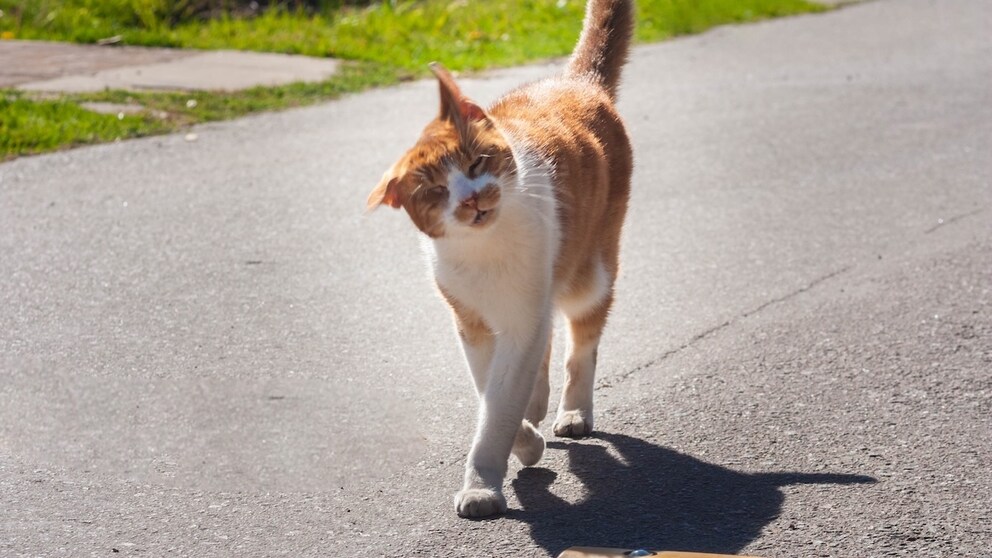
A brief head shake while the cat leisurely strolls across the lawn often seems inconspicuous. But if the behavior occurs more frequently, cat owners should pay attention–serious causes could be behind it. Why a look into the ears often helps and when it’s high time for a vet visit if the cat shakes its head is something PETBOOK editor and cat owner Louisa Stoeffler knows from personal experience.
Remo Shakes His Head—But the Cause Is Deeper
With my cat Remo, it all started quite inconspicuously: He would shake his head occasionally–briefly, almost casually, as cats do when something gets in their ear. At first, I didn’t think much of it. But the behavior became more frequent, even though I checked and carefully cleaned his ears.
When Itchy Ears Become a Burden
One of the most common triggers for head shaking in cats is simple itchiness. This can be caused by dirt, excessive earwax, or even water in the ear. A small foreign object in the ear canal can also be uncomfortable. In such cases, a professional ear cleaning by the vet often suffices to alleviate the discomfort.
But it can also be more serious: Parasites like ear mites, fleas, or ticks cause intense itching, noticeable through scratching and head shaking. A look into the ear can provide clarity–ear mites, for example, are usually identified by a dark coating. Allergies to pollen or certain food ingredients are also possible. In addition to skin and ear problems, symptoms like vomiting or diarrhea can occur.
When Infections or Injuries Are Behind It
Another possible cause is painful ear infections. These are often triggered by bacteria or fungi and manifest through redness, swelling, sensitivity to touch, and a foul odor. Early treatment by the vet can prevent pain and complications. Besides infections, insect bites or injuries to the sensitive ears can lead to discomfort.
If cat owners ignore the behavior for a long time, further illnesses can follow–such as an ear hematoma. This is a bruise between the skin and ear cartilage caused by vigorous head shaking or scratching. Individual blood vessels in the cat’s ear burst, causing visible swelling. This type of injury is painful–the cat often tilts its head or shakes it constantly. A visit to the vet is essential in this case.
Head Shaking as a Sign of Dental or Jaw Pain
By the time Remo shook his head even while eating, it was clear to me: There was more behind it. The vet eventually found the cause. The head shaking was not a sign of itchiness or dirt in the ear but an expression of another severe pain.
It’s not immediately obvious, but equally relevant: Dental diseases or jaw problems can also lead to head shaking. Typical examples are gum inflammation, periodontitis, or the painful dental disease FORL.
Accompanying symptoms often include bad breath, loss of appetite, increased salivation, or pain while eating. Jaw pain from deep-seated infections, dental misalignments, or a bone tumor (osteosarcoma) can also occur. These diagnoses can be made and treated by a skilled veterinarian with an X-ray.

Horse Uncontrollably Shakes Head: Understanding “Headshaking”

Cat Suddenly Limping? Here’s What Could Be Behind It
Neurological Causes for Head Shaking in Cats
Not always is there a local cause in the ear or mouth–neurological disorders can also trigger head shaking. These usually affect the nerves or the balance organ.
This is typical, for example, in diseases of the vestibular system, the sense of balance. Affected cats then show symptoms like frequent head shaking, head tilting, unsteady gait, staggering, or eye twitching (nystagmus). The cause can lie in the inner ear, cerebellum, or nerve pathways that control balance–due to inflammation, infections, injuries, or tumors.
Neurological inflammations like encephalitis (brain inflammation) or meningitis (meningitis) are also possible. In rare cases, epilepsy, poisoning, or traumatic head injuries can lead to uncontrolled movements that mistakenly appear as head shaking.
Such diseases are relatively rare but should be considered, especially if the cat also shows disorientation, head tilting, seizures, or behavioral changes. A veterinary examination with neurological clarification (e.g., reflex tests, blood work, possibly MRI) is essential in such cases.
Conclusion: Observe, Recognize, Act
Occasional head shaking is generally not a cause for concern. But if the behavior occurs more frequently or is accompanied by other symptoms, owners should be alert. Regular checks of ears and mouth, along with observations of behavioral changes, help provide timely assistance to the cat.
My experience has shown me how important it is to take even seemingly harmless head shaking seriously. Cats are masters at hiding discomfort–and often, behind small signals, there is something that needs treatment. After his dental treatment, Remo stopped shaking his head within a week.