

March 14, 2026, 4:07 pm | Read time: 4 minutes
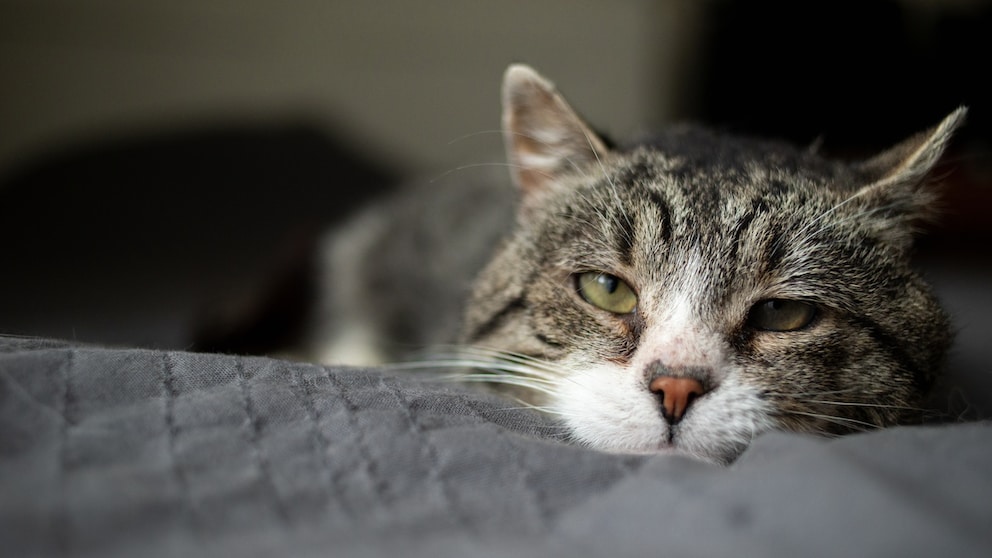
The cat eats less, withdraws, or suddenly seems unusually calm. Sometimes vomiting occurs, sometimes not at all. Many pet owners initially misinterpret these changes. But behind these nonspecific signs, there could be more. PETBOOK explains how to recognize pancreatitis in cats, why it often goes unnoticed for a long time–and when quick action is important.
What Are the Functions of the Pancreas in Cats?
The pancreas–medically known as the pancreas–performs two important functions in a cat’s body. First, it produces hormones like insulin that regulate blood sugar levels. Second, it creates digestive enzymes that help break down fats, proteins, and carbohydrates in the small intestine.
Normally, these enzymes are initially produced in an inactive form and only “activated” in the intestine. This protects the pancreas itself. However, in pancreatitis, this protection fails: The enzymes are activated too early and attack the tissue. The result is a painful inflammation that can damage surrounding organs in severe cases.1
Causes of Pancreatitis
In most cases, the cause of pancreatitis in cats cannot be clearly identified. For the majority of affected animals, the disease occurs without a clear trigger. Veterinarians refer to such cases as idiopathic pancreatitis. However, various factors are known to increase the risk of pancreatic inflammation.
These include unsuitable or very high-fat diets, obesity, and hormonal disorders such as diabetes or hyperthyroidism. Infections–such as with feline coronaviruses or Toxoplasma gondii–are also discussed as possible triggers. Other risk factors include chronic intestinal inflammation, bile duct diseases, falls or other injuries, tumors, certain medications, or circulatory disorders, such as after anesthesia.
A special role is played by so-called triaditis. This involves simultaneous inflammation of the pancreas, bile ducts, and intestines. Since cats have a common duct for bile and pancreatic secretions into the small intestine, frequent vomiting can lead to backflow. This can further promote the development of pancreatitis.2, 3
Warning Signs Cat Owners Should Know
The signs of pancreatitis in cats are often very varied and difficult to interpret. This makes the disease particularly insidious. Although it is painful for the animals, cats usually show pain very subtly.
Owners often notice that the cat eats less or refuses food altogether. Apathy, withdrawal, and unintended weight loss are also typical warning signs. Vomiting, diarrhea, or constipation are less common in pancreatitis but are still possible.
In some cases, additional symptoms such as dehydration, yellowish mucous membranes, abdominal pain, breathing problems, or low body temperature appear. If the disease is not recognized and treated, the inflammation can spread throughout the body. Severe complications up to life-threatening conditions can then occur. The problem is that the condition can rapidly and unpredictably worsen from mild to serious.4

When Dogs Suddenly Eat Objects: Causes and Treatment of Pica Syndrome

The 7 Most Common Cat Diseases
How Is Pancreatitis in Cats Diagnosed and Treated?
Diagnosing pancreatitis in cats is often a challenge even for veterinarians. Individual examinations are usually not sufficient, as the disease varies greatly. Ultrasound is particularly important, as it provides a better view of the pancreas than X-rays. However, even here: A normal finding does not reliably rule out inflammation.
Additional certainty is provided by a special blood test that measures a pancreatic enzyme. This value helps not only in diagnosis but also in assessing the disease’s progression during therapy. Further blood and urine tests, as well as ruling out other diseases, complement the diagnostics.
Since the cause often remains unclear, treatment mainly focuses on the cat’s symptoms. Depending on the severity of the disease, hospitalization may be necessary. Key components of therapy include adequate fluid intake, consistent pain management, and medication for nausea.
It is especially important that the cat eats regularly. Prolonged refusal to eat can lead to a dangerous fatty liver within a few days. If the cat does not eat on its own, it is supported–for example, through a feeding tube. Antibiotics are only used if there are specific indications of bacterial involvement. In chronic cases, special diets and additional digestive enzymes can help relieve the pancreas.
Can Pancreatitis in Cats Be Prevented?
Targeted prevention of pancreatitis in cats is only possible to a limited extent, as the exact causes often remain unclear. Nevertheless, cat owners can do several things to at least indirectly reduce the risk.
Important are a balanced, species-appropriate diet and avoiding obesity. Known underlying conditions such as diabetes or chronic intestinal inflammation should also be consistently managed by a veterinarian. Regular check-ups help detect changes early.
If the cat shows nonspecific symptoms like loss of appetite, unusual fatigue, or withdrawal, do not wait. Early veterinary evaluation can be crucial in preventing severe cases.