

April 26, 2026, 10:09 am | Read time: 3 minutes
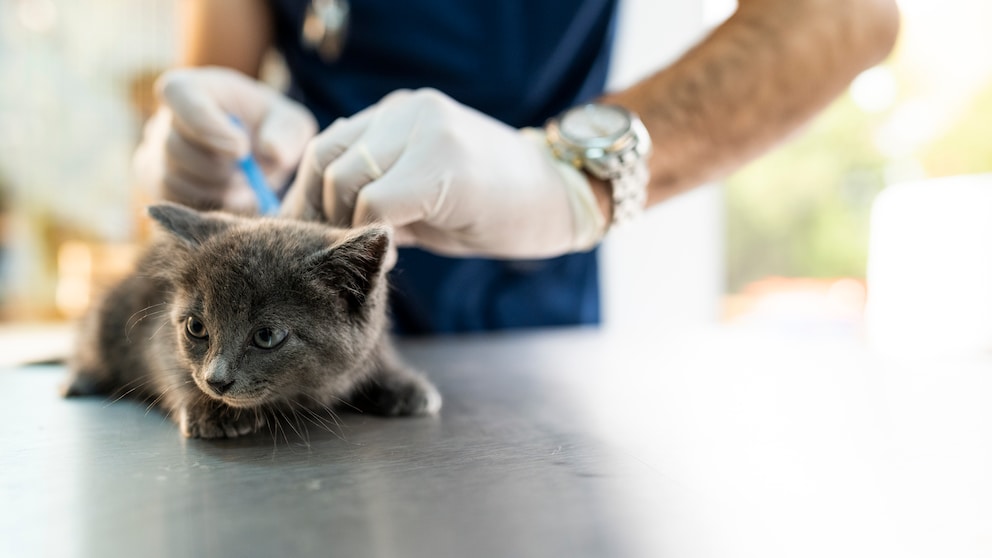
Vaccinations for cats also serve to build an effective early defense against certain viruses and bacteria. This ensures that the animal’s immune system can respond quickly and effectively combat pathogens in case of infection. The “Guideline for Vaccination of Small Animals” by the Permanent Vaccination Commission Veterinary Medicine outlines which vaccinations are advisable for cats. PETBOOK explains which vaccinations your cat needs and how often they should be repeated.
Effective vaccines have been developed for our pets against some serious, sometimes life-threatening diseases. Although there is no general vaccination requirement for cats in Germany, some vaccinations are strongly recommended. If you plan to take your cat abroad or board it in a pet hotel during your vacation, certain vaccinations may be required. We explain what you should consider if you want to vaccinate your cat.
Overview
When should you vaccinate a cat?
As a rule, your veterinarian is your primary contact for any questions about vaccinating your cat. They know your pet and are aware of its health status, living situation, and vaccination history, all of which influence vaccination recommendations. Generally, only healthy cats are vaccinated—if an animal is currently unwell or has just recovered from an illness, it’s better to wait. Whether the cat is an outdoor cat or not can also affect the choice of individual vaccinations.
A kitten receives its first antibodies through its mother’s milk. Therefore, it’s crucial that the mother cat is vaccinated to protect the kittens. Basic immunization begins at eight weeks of age, including vaccinations against feline distemper and feline respiratory disease. It’s important to know that feline respiratory disease is caused by various pathogens such as the feline herpesvirus and feline calicivirus, against which there is an effective vaccine.1
Also of interest: The 5 most common diseases in cats

The 7 Most Common Cat Diseases

Danger from Puddles! Leptospirosis in Dogs
How often is a vaccination needed?
Vaccinations against feline distemper and feline respiratory disease are repeated at 12 and 16 weeks of age. After another vaccination at 15 months, the basic immunization is complete. Depending on the individual living conditions of the animal, the vaccinations need to be refreshed after one to three years.
Vaccinations against feline distemper and feline respiratory disease are also strongly recommended for indoor cats, as humans can unknowingly bring these pathogens into the home. Direct contact with infected cats is not necessary to contract these diseases.
Depending on the cat’s living situation, additional vaccinations may be advisable, such as against leukemia, feline infectious peritonitis (FIP), bordetellosis, and chlamydiosis. Cats crossing the German border must also be vaccinated against rabies, which is noted in the pet’s EU pet passport. In Germany, rabies is considered eradicated, so vaccination is not mandatory.2
What does it cost to vaccinate a cat?
The basic immunization costs about 40 to 50 euros per vaccination. In total, approximately 160 to 200 euros are required to establish full vaccination protection. If the cat also needs to be vaccinated against rabies or other infectious diseases, additional costs will apply. For booster vaccinations, you should expect to pay 30 to 60 euros per shot.
Tip: Early enrollment in pet health insurance can protect against high veterinary costs. It’s worth comparing the prices and services of different providers. Vaccinating your cat not only protects your own pet from serious diseases but also helps eradicate dangerous infectious diseases. Experts believe that more than 70 percent of cats need to be vaccinated to eliminate these epidemics.