


October 18, 2025, 6:31 am | Read time: 5 minutes
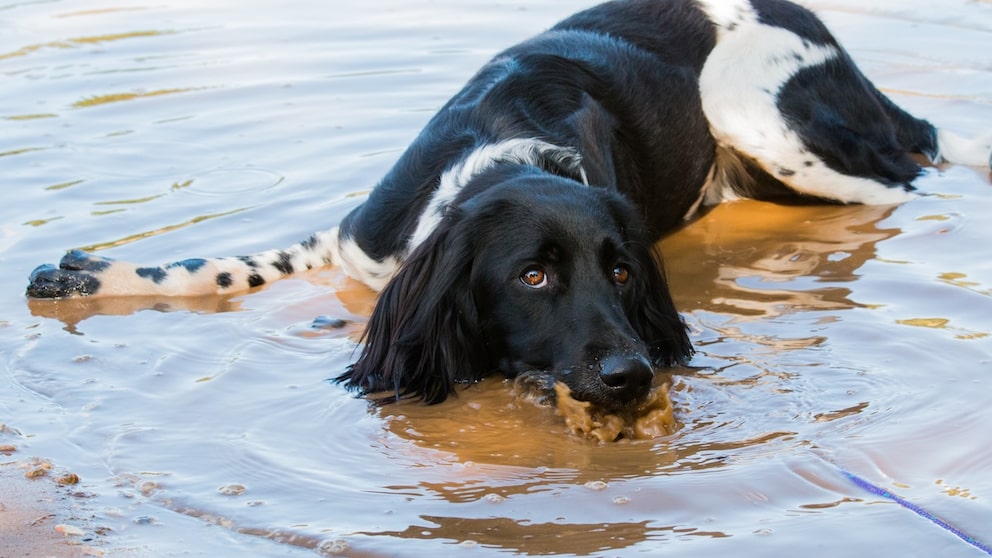
Many dogs not only love to bathe in large mud puddles—they also drink from them. However, this can have serious consequences. Inconspicuous waterholes often harbor pathogens that can trigger a life-threatening infection: leptospires. The so-called leptospirosis was long considered nearly eradicated, but has made a significant comeback in recent years. PETBOOK explains how the disease develops, which symptoms should be taken seriously, and how pet owners can protect their dogs.
Overview
What Are Leptospires?
Leptospirosis is caused by spiral-shaped bacteria of the genus Leptospira. More than 250 different strains are known, about ten of which play a significant role in dogs. The bacteria thrive in warm, moist environments. They are excreted in the urine of infected animals and thus enter soil and water. In puddles, ponds, or slow-moving waters, they can survive for weeks to months.1
How Dogs Get Infected
Infection usually occurs indirectly: If a dog comes into contact with contaminated water or soil—such as when drinking or rolling around—the leptospires enter the body through small skin injuries or mucous membranes. Rarely, infection can occur through direct contact with infected animals.2
The main reservoirs of the pathogen include rats, mice, hedgehogs, and other wild animals, which rarely get sick themselves but excrete the bacteria in their urine. Dogs that have survived an infection can also excrete leptospires for a long time, contributing to further spread.
Since leptospirosis can also be transmitted to humans, it is considered a zoonosis. Infected dogs thus pose a risk not only to other dogs but also to their owners.3
Recognizing Symptoms
Leptospirosis in dogs can present in very different ways—from unnoticed to mild to acutely life-threatening. Age, general health, and the animal’s immune status are crucial factors.
In its acute form, the bacteria spread throughout the body via the bloodstream within a day, primarily affecting the kidneys and liver. The lungs, spleen, central nervous system, and eyes can also be affected. After an incubation period of four to fourteen days, the first signs of illness appear.4
Typical symptoms include:
- Fever and fatigue
- Loss of appetite and vomiting
- Diarrhea and dehydration
- Jaundice (indicating liver involvement)
- Increased or absent urination
- Coughing or shortness of breath if the lungs are involved
In severe cases, acute kidney or liver failure occurs. Lung hemorrhages, which manifest as increasing shortness of breath and are often fatal, are particularly feared. If untreated, the disease can lead to death within a few days.
Even subclinical, or symptom-poor, infections are problematic: These dogs appear healthy but excrete pathogens, contributing to environmental spread.
Diagnosis and Treatment
Because the symptoms are nonspecific, diagnosis is often difficult. If suspected, the veterinarian will use a combination of laboratory tests. Antibodies against leptospires can be detected in the blood (microscopic agglutination test, MAT), but only a few days after the onset of illness. Therefore, an initial test may be negative and should be repeated after about two weeks.
Additionally, a direct pathogen detection via PCR from blood or urine can be performed. A definitive diagnosis is crucial, as leptospirosis is a reportable disease and poses a zoonotic risk.
Treatment must begin immediately once suspected. It has two main goals: killing the pathogens and stabilizing organ functions. Antibiotics, usually doxycycline, are used. In severe cases, intensive inpatient treatment is necessary—with infusions, medications to support circulation, and possibly dialysis in case of kidney failure.
The earlier treatment begins, the better the chances of survival. Nevertheless, studies show that 20 to 50 percent of affected dogs die, with the prognosis even worse for puppies.5
Can Dogs Be Vaccinated Against Leptospirosis?
Since leptospires are widespread in the environment, contact is almost unavoidable. The most important protection is vaccination. According to the recommendations of the Standing Committee on Vaccination in Veterinary Medicine (StIKo Vet), it is one of the so-called core vaccinations—the basic vaccinations every dog should receive, regardless of age or living conditions.6
Earlier vaccines covered only two strains, while newer preparations protect against four to six of the most common variants. Basic immunization is administered from the eighth week of life in two doses three to four weeks apart. An annual booster is then necessary, and in high-risk areas, even semi-annually.7
Why Dogs Shouldn’t Drink from Puddles

The 7 Most Common Cat Diseases
Prevention in Everyday Life
Additionally, pet owners can reduce the risk through cautious behavior:
- Dogs should not drink from puddles or stagnant water.
- After walks in damp areas, paws and fur should be thoroughly cleaned.
- If there are multiple dogs in the household, hygiene measures should be observed if one animal is sick.
- People in close contact with infected dogs should wear protective gloves and seek medical advice if flu-like symptoms occur.
Conclusion
Leptospirosis is not a rare tropical disease but a real threat even in Central Europe—especially in the warmer months. Early detection and consistent treatment can save lives. Even better is preventive vaccination, which protects not only dogs but also their owners.