

September 11, 2025, 9:34 am | Read time: 7 minutes
Few cats can be taken on vacation as easily as dogs. In such cases, it’s great to have cat-friendly family members or friends. But what if that’s not an option, or you’d prefer to leave cat care to professionals? As an owner, you inevitably ask: What should I look for to identify and hire a good cat sitter? And how can I tell if the unknown service provider is knowledgeable about animals? PETBOOK editor and longtime cat sitter Louisa Stoeffler explains what matters.
Overview
Cat Sitting Is Not a Regulated Profession
I’ve been cat-sitting for many years. I started during my studies, having already owned cats for over ten years. I believe I’ve developed a good understanding of the animals and have gotten along well with almost all cats so far. Some I’ve sat for years, creating a bond that owners can rely on.
However, the term “cat sitter” is not regulated in Germany, and unfortunately, there is no formal training. Therefore, it’s understandable to wonder: How do I know if I have a good cat sitter who truly understands the animals? After all, you’re letting a stranger into your home and handing them the keys.
What I pay attention to as a cat sitter has already been reported for PETBOOK. But how can you quickly determine if the service provider really knows what they’re doing? Hopefully, this article will leave no questions unanswered.
How to Recognize a Good Cat Sitter
A cat sitter takes on significant responsibility: They not only care for the animal but also have access to your home. It’s crucial to choose someone you can trust. You can assess this by the following points:
Experience with Cats
A reputable cat sitter has more than just a love for cats—they understand their behavior, needs, and communication. Those who have cared for or owned cats for a long time can generally better assess how differently the animals can react, from friendly to shy. Pay attention to whether the sitter shares personal experiences and how confidently they speak about topics like feeding, play, and engagement.
References
Since the profession of cat sitting is not standardized, you should pay special attention to the references provided. There are various platforms where cat sitters offer their services, and owners can rate them. If you want to contact a sitter through their own website, also look for authentic reviews and any additional training, such as behavior therapy or cat psychology.
Reliability and Professionalism
Punctuality and clear communication are essential. A good cat sitter discusses with you in advance exactly what they will handle during your absence—from feeding to cleaning the litter box to small additional tasks like airing out or watering plants. Reputable service providers transparently disclose their prices and confirm contractual agreements in writing if you wish.
Getting to Know the Cat
Before the first sitting, a meeting should definitely take place. You can observe how the cat sitter approaches your pet. Do they take their time and wait patiently for the cat to initiate contact? Do they ask about habits, favorite spots, or feeding times? A respectful, calm approach is a good sign that your cat will feel comfortable later.
Checklist: Signs of a Good Cat Sitter
A cat sitter who truly understands cats behaves in certain ways during the introduction:
- Show patience: They wait until the cat initiates contact. This way, the cat doesn’t feel pressured and remains in control.
- Get to know the scent: A good sitter crouches down, extends their hand to the cat first, allowing it to sniff calmly. Cats rely heavily on scent to decide if someone is “okay.”
- Calm demeanor: A gentle tone and slow movements signal safety and respect. Sudden gestures or loud noises quickly scare cats away.
- Speak cat language: An experienced cat sitter knows exactly when the contact becomes too much for the animal, as they can read the animal’s body language. Instead of staring, a good sitter shows trust through slow blinking—just as cats do with each other.
Preparation for Emergencies
A cat sitter should know how to react if an animal appears sick or behaves unusually. It’s wise to establish in advance which veterinarian should be contacted in an emergency and to have all important documents like vaccination records, phone numbers, and medication plans ready. Good sitters don’t hesitate to ask questions if they’re unsure and reliably inform you during your absence if anything unusual occurs.
Trust Your Gut Feeling
Besides all objective criteria, your own feelings are also important. Does the sitter seem trustworthy, listen attentively, and approach you and your pet respectfully? If so, chances are good that you can go on vacation with peace of mind.
Also interesting: 9 Reasons Cats Scratch Around Their Food Bowl
How to Tell If Your Cat Likes the Sitter
Of course, it’s not just about the person—the cat quickly shows whether it feels comfortable with the sitter. I’ve only declined one job because it was clear during the initial visit that the cat hissed at me and laid back its ears as soon as I tried to introduce myself. This isn’t a deal-breaker for a good cat sitter, but you can recognize them by their transparency in addressing when the chemistry isn’t right.
Therefore, pay attention to these signals from your pet before the vacation and later when they send photos and videos:
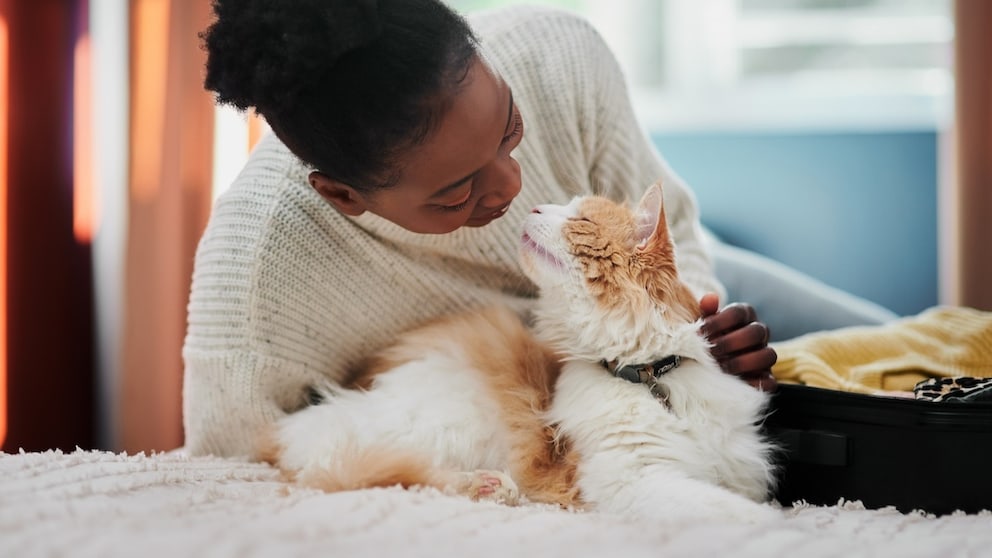
- Your cat purrs, rubs against the sitter’s legs, or nudges their hand with its head.
- It approaches the sitter on its own instead of hiding.
- The photos and video updates show a relaxed cat, for example, with a raised tail, open eyes, and upright ears → signaling happiness and trust.
- During your absence, the cat eats normally—loss of appetite would indicate stress.
- You find your home in proper condition: Cats that are unhappy tend to scratch furniture or be unclean—behaviors stemming from insecurity.

How long can you leave your cat alone?

These 11 cat breeds particularly like to cuddle
A Cat Sitter Is Not a Cleaning Service
Of course, a cat sitter’s primary focus is the care of the cat. This means providing fresh food and water, cleaning the litter box, and spending time with the animal—whether through play, petting, or simply being present. This attention makes the difference between mere feeding help and genuine care.
Additionally, it’s common for cat sitters to take on small extra tasks. Many will water indoor or balcony plants upon request, bring in the mail, take trash cans to the curb for pickup, or air out the home. Turning lights on and off, adjusting heating or air conditioning, and thus providing some protection against break-ins are sometimes part of the service. During vacation time, this can be a valuable relief.
However, it’s important to clearly discuss expectations in advance. A cat sitter is not a cleaning service and is not responsible for extensive household chores. Those expecting the entire home to be cleaned or tidied during their absence will be disappointed. Small tasks directly related to pet care, like taking out the trash, removing urine spots or vomit to prevent odors or diseases, are included. A good cat sitter also provides updates on the animal’s health and consults with you on whether a vet visit might be necessary.
In the end, the more transparently you clarify what you want and what the cat sitter can provide, the smoother the care will be—for you, your home, and especially your cat.
Checklist for Cat Owners – What You Should Clarify
- Does the cat sitter have experience with cats, and is it evident in their interaction with the animals?
- Do they appear reliable, punctual, and professional?
- Was there a meet-and-greet with enough time?
- Do they treat the cat respectfully (waiting, letting the cat sniff their hand, speaking calmly)?
- Did the sitter ask for important information (feeding, habits, veterinarian)?
- Are there clear agreements on tasks, prices, and emergency plans?
- Does the cat show positive signals like purring, head nudging, or normal eating behavior?
- Do you have a good gut feeling?