

July 14, 2026, 2:48 pm | Read time: 5 minutes
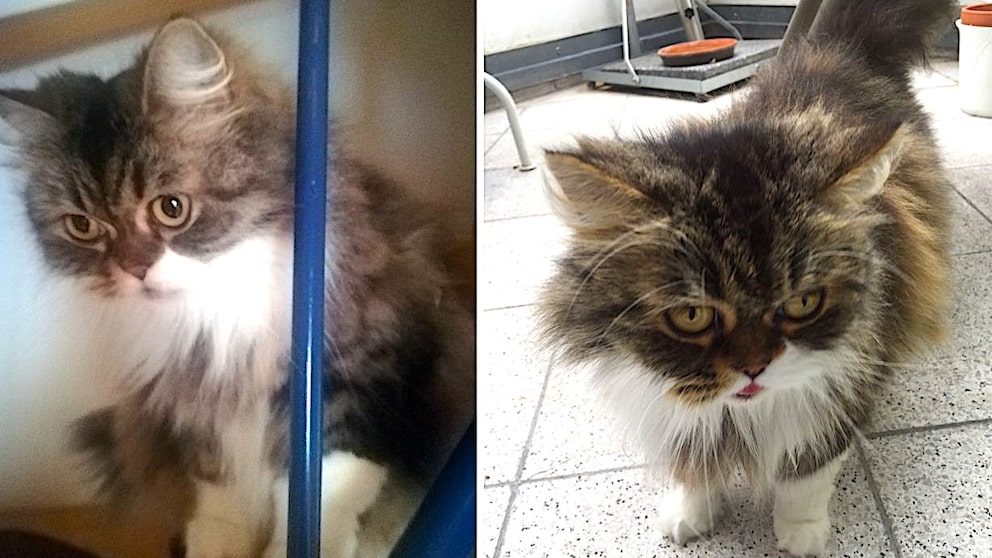
When cat Lilly repeatedly urinated next to her litter box, her owner was at a loss. She even considered abandoning the animal. It was only behavior therapist Helena Becker who realized that something entirely different was behind the supposed problem behavior. In doing so, she likely saved Lilly’s life. She shares with PETBOOK about this animal welfare case that has never quite left her.
The Cat Wasn’t the Real Problem
When Helena Becker received the call in 2018, the case initially seemed unremarkable. The then-behavior therapist at the Cat Institute of cat expert Birga Dexel was to help an owner whose cat was repeatedly unclean. Several times a day, Lilly urinated outside the litter box. For the owner, it was clear: Something was wrong with her cat.
Today, Becker knows the opposite was true: “I quickly realized something was off,” she recalls. Although the owner repeatedly emphasized how important Lilly was to her, almost everything revolved around her own distress. It was about how often she had to clean and how burdensome the situation had become for her. The cat’s suffering, on the other hand, played little role.
What particularly puzzled Becker was that the owner seemed to see Lilly primarily as the cause of the problem. “She wanted to hear that Lilly was bad and guilty,” she says today. Instead, Becker repeatedly tried to make it clear that the cat herself must have been under enormous stress.
A Fall Went Untreated for Years
During the detailed case history, the owner mentioned that Lilly had fallen down stairs two years earlier. Since then, she had changed. A visit to the vet, however, never happened, despite Becker’s clear recommendation to have Lilly medically examined.
The longer the conversations went on, the greater Becker’s concern grew. At some point, the owner even expressed a desire to abandon Lilly, simply because she was overwhelmed by the situation. For Becker, it was clear: This cat needed help, and urgently.
The Full Extent Became Clear at the Foster Home
Together with the Maine Coon Rescue, Becker arranged a foster home. There, Sabine Kauffeld took in Lilly. What she found shocked even experienced animal welfare workers. “The whole case just got worse and worse with each day and each piece of information,” says Becker.
The long-haired cat had been fed mostly a vegetarian diet. Lilly had been poorly cared for over a long period, left alone often, was severely overweight, and likely suffered from pain for years. Her fur was unkempt and so matted that the vet first had to remove large mats before he could even examine her. Because Lilly could apparently only urinate in dribbles, her fur was constantly soiled with urine. At the first bath, Becker recalls the foster home’s account, a brown sludge practically washed out of her fur.
The Supposed Behavioral Disorder Had a Simple Cause
The veterinary examination finally revealed the cause of Lilly’s uncleanliness. The cat suffered from a severe bladder infection due to struvite stones, a condition that causes severe pain during urination. Avoiding the litter box was not defiance or “uncleanliness” but a completely understandable attempt to escape the pain. Cats often associate pain with the place where it occurs, which in Lilly’s case was her own litter box.
With painkillers, antibiotics, and a consistent change in diet, a gentle toilet training began simultaneously. Various litter boxes and different types of litter were tried until Lilly found her preferred option. Success was not long in coming. Soon, Lilly was reliably using the litter box again, and the supposed behavioral disorder almost completely disappeared.
From a Fearful Cat to a Completely New Animal
“With all the diagnoses, the right treatments, and diet along with painkillers, Lilly was like a new cat at the foster home,” Becker says. With each week at the foster home, Lilly continued to change. From a confused, pain-ridden cat, she became a happy, cuddly feline. After a few months, Lilly was finally adopted into a new home, where she was lovingly renamed “Socke.”

Your Cat Runs to the Bathroom Often? It Could Be Life-Threatening

Did You Know? Why Cats Always Use a Freshly Cleaned Litter Box
This Case Still Haunts Helena Becker
Although Becker has encountered many difficult cases in her career, she still thinks back to Lilly, or Socke. “It was incredibly relieving and touching, but also made me very angry,” she says. “Lilly could have been living a safe and pain-free life long ago if her former owner had given her the care she deserved.” One question in particular still occupies her: “How many cats like Lilly are out there? Unfortunately, very, very many.”

Behavior Is Often a Cry for Help
For Becker, Lilly’s story shows one thing above all: Unusual behavior in cats is often not a training issue but a warning signal.
“If someone doesn’t go to the vet or ignores warning signs, they are an animal abuser and let their cats slowly die and live in agony. Many boast that their cats have never been to the vet and lived to be 22 years old. A long life should only come with a corresponding quality of life and does not justify neglect,” she says. Many illnesses are hidden by cats for a long time. It is all the more important to take changes in behavior seriously.
Becker is familiar with not always receiving agreement for such statements on social networks. She is often accused of exaggerating or making a drama out of small things. But she remains undeterred: “This case, like many others, has only strengthened my resolve to continue,” she says. “Because no matter how many cats I can help, there are many others I will never meet. But maybe stories like these will ensure that at least one cat gets the help it needs sooner.”