

February 9, 2026, 2:11 pm | Read time: 4 minutes
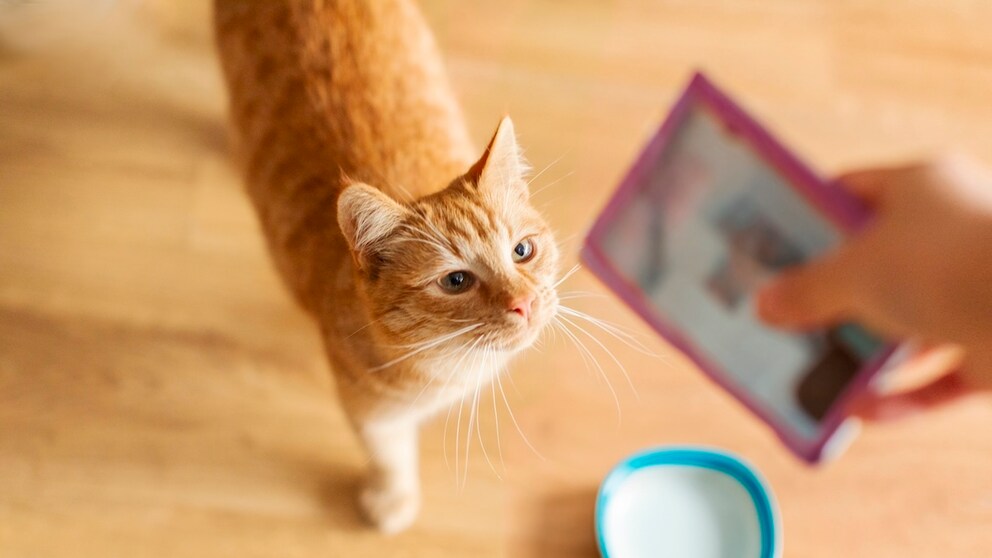
The food is ready, the bowl is freshly filled—but the cat just glances at it and turns away demonstratively. Only after receiving a treat does it suddenly go for the actual food. This behavior often brings a smile but also leaves owners puzzled. Do some cats really need an appetizer? Cat expert and PETBOOK editor Louisa Stoeffler explains.
Whether you call it antipasti, an appetizer, or “just a little something beforehand”: In a restaurant—or at least on an Italian vacation—it’s hard to avoid. First some bruschetta, then maybe some olives… and then the main meal can begin. Some cats see it quite similarly. They don’t go straight to the main course but insist on their personal appetizer first. But does that make them spoiled, as some owners on social media believe? Or is there something entirely different behind the demand for an appetizer? The short answer: Cats rarely act without reason. The seemingly quirky eating ritual can have various causes—from learned routines to sensitive sensory perceptions.
Learned Rituals–Order Matters
Cats love predictability. If a treat is always given first over a long period—such as when owners come home from work—and then dinner is served, a fixed ritual can develop. The cat then expects this sequence and refuses the main food as long as the “first course” is missing. From the cat’s perspective, it’s logical: Why eat immediately when experience shows something better is coming?
Appetite Stimulants After Illness or Stress
After an illness where the cat ate little or poorly, many owners resort to particularly tasty treats to stimulate appetite. This is initially sensible but can lead to the cat expecting exactly this flavor intensity in the long run. Even after stressful phases (moving, new animals, changes in daily life), a treat can serve as an “entry” into eating and provide reassurance.
Conditioning Through Attention
Some cats have learned: Not eating pays off. If the bowl remains untouched, many owners react with concern, offer alternatives, or immediately bring out the good treats. This can unintentionally reinforce a behavior where the cat delays eating to get attention or particularly coveted morsels.
Sense of Smell and Food Temperature
Cats perceive their food primarily through their nose. If the food is too cold (e.g., straight from the fridge when feeding large cans), it smells less intense to them. A strong-smelling treat can “turn on” the sense of smell and stimulate appetite—similar to an appetizer for humans.
Food Frustration or Boredom
Some cats are simply picky. If a cat receives the same food for a long time, it can lose its appeal. A treat brings variety and can increase motivation to eat the familiar food afterward. Especially very intelligent or under-stimulated cats show such strategies to bring more variety into their daily life. However, if it becomes a habit, the same behavioral spiral develops.
How to Gently Uncouple the “Appetizer Ritual”
If you don’t want the cat to always eat only after a treat, you can gently redirect the behavior–without frustration on either side. It’s important not to abruptly take anything away from the cat.
A proven approach: Link the treat and the main food together. Instead of giving the treat separately and first, place it directly on the regular food, crumble it slightly, or mix it in as a paste. This creates a new connection: The reward suddenly becomes part of the actual meal.
In the next step, the amount of the treat can be gradually reduced—over several days or weeks. The goal is for the smell and expectation of the treat to continue stimulating appetite, but the cat learns to accept the main food without the “extra course.”
From a behavioral biology perspective, this makes sense: The cat still gets its usual reward, but not for “not eating,” rather for eating itself. Both behaviors are newly linked instead of being rewarded separately.
Important:
- don’t rush—cats need time to change routines
- don’t scold or push
- stay consistent once the new order is established
This way, the “appetizer” can slowly become an optional extra again—and the bowl loses its bargaining power between human and cat.

Dog Eats Treats but Refuses Food? Here’s Why
Why Does My Cat Lick My Hand?
When Caution Is Advised
If a cat generally eats poorly, loses weight, or seems lethargic, the behavior should not be dismissed as a “quirk.” Loss of appetite can be an early sign of pain, dental problems, or gastrointestinal diseases, and should be checked by a veterinarian.
Conclusion
Whether it’s a ritual, learned expectation, or sensitive appetite: A cat demanding an “appetizer” is mostly human-made—and not a sign of defiance or dominance. Those who know the routines can decide whether to maintain or gently change the ritual. Because in the end, even with eating: The cat sets the pace—the human the menu.