


September 7, 2025, 6:06 am | Read time: 6 minutes
Consciously Taking Responsibility
“Anyone who wants to adopt a cat with a disability should be aware of the responsibility and sufficiently inform themselves about the animal and its needs,” says Hester Pommerening from the German Animal Welfare Association. At the same time, she emphasizes that these animals, like all others, long for attention, love, and acceptance.
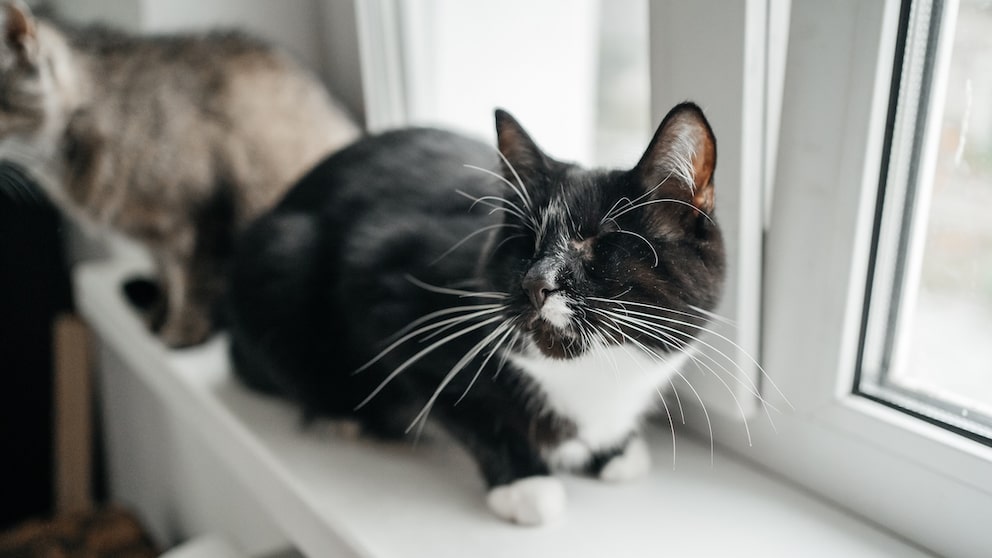
People who take in an animal with a disability assume a special task—yet many blind cats are remarkably adaptable. It is especially important not to pity the animal excessively. “They don’t need pity and should be given the chance to lead a normal cat life,” Pommerening says.
Orientation Thanks to Keen Senses
Blind cats rely on their highly developed sense of smell and hearing, as well as their sensitive whiskers, for orientation. This allows them to perceive air movements—an advantage when hunting: They can indeed track and catch mice.
The causes of blindness are varied. It can be congenital or result from accidents, poisoning, or diseases such as diabetes and high blood pressure. Age-related vision loss is also possible. “Whether more frequent vet visits are necessary and whether they entail high costs depends on the cause of the blindness,” explains Pommerening.
Before an animal is placed, shelters typically inform about potential necessary treatments and associated costs.
The First Days in the New Home
Settling into a new home is essentially the same for blind cats as it is for sighted ones. To avoid overwhelming the animal, start with a room where the cat can initially settle in calmly. This should contain everything the animal needs: a sleeping and eating area, a litter box, and scratching and climbing opportunities. Only when the cat appears relatively confident here should you allow it to explore the rest of the home.
The most important thing: Give the animal time. It’s not unusual for anxious or insecure cats to barely come out during the first few days. To prevent the cat from hiding under a cabinet or bed where you can’t reach it, provide enough hiding spots like cat caves or carriers, and temporarily block access to areas under furniture.
Tip: Try to motivate the cat with crinkling or catnip-scented toys. Curiosity often overcomes fear—especially in younger animals. If that doesn’t work, it’s important to still provide regular companionship. Simply sitting in the room and reading a book can suffice. You can also read to your cat to help it get used to your voice and associate the sound.
Making the Home Safe
How to make the home cat-friendly is known by pet expert Sabrina Karl from the organization Four Paws: “First, you should definitely scan the apartment for potential dangers from the cat’s perspective.” Windows must be closed or secured with nets—this also applies to balconies. “There are special safety devices for tilt windows.”
Furniture can also pose a risk. Therefore, Karl recommends padding sharp edges—at least until the cat feels secure in the room. Steep stairs or dangerous areas should be blocked with a baby gate.
Cables, fairy lights, or strings should neither be tripping hazards nor tempt the cat to play or nibble. Details are crucial for the litter box: The rim should be as low as possible, and the house should be without a flap door. Movable shelves and drawers can be secured with child locks, according to Karl.
Also interesting: How to Tell if Your Cat Is Nearing the End
Easing Daily Life with Small Aids
Blind cats orient themselves with hearing, smell, and touch. Placing different floor textures or scents near feeding areas and litter boxes or setting up a bubbling water fountain can help the animal with orientation. Ramps to elevated resting areas are also helpful.
Changes in the home should be avoided as much as possible. New furniture or rearrangements can cause stress. When interacting with the cat, the rule is: “Before petting the animal, speak to it so that it is prepared for the touch and doesn’t get startled, scratch, or bite,” says Karl. Additionally, it’s helpful to talk to the cat a lot–so it knows where its human is. And: Blind cats should be closely monitored to avoid accidental stepping.

Hamster Balls Can Seriously Injure Hamsters

How to Remove Cat Urine Correctly
Fresh Air and Activity–Even Without Sight
Blind cats don’t have to completely miss out on outdoor time: A securely fenced garden or a cat-safe balcony offers plenty of fresh air and variety. “Outdoor time on a leash and with a cat harness is an option, but it must be carefully and positively trained beforehand,” explains Karl. It’s important to watch out for thorns, sharp edges, and other animals in the garden that could injure the blind animal.
Activity should not be neglected—ideally, the sense of smell, hearing, and touch are specifically engaged. Toys with bells or rustling materials encourage movement and playfulness. Scented cushions with valerian or catnip stimulate the sense of smell, as do scent trails that invite exploration.
For tactile stimuli, small “discovery corners” with cat-friendly materials or hiding boxes are suitable. Lick mats or pastes for licking appeal to the sense of taste. For mental engagement, Karl recommends: “Don’t forget effective clicker training to teach small, cat-friendly tricks.”
Blind Cats in Multi-Cat Households
Even those who already have cats can theoretically adopt a blind kitten. However, the introduction should ideally be professionally guided. For cats, socialization is already a challenge. A blind cat can be very confusing to other cats, as it doesn’t respond to body language, and the unfocused gaze or missing eyes can confuse or even provoke aggression in other cats.
Even if the acclimation goes well, the dynamics between the cats should be closely monitored. The blind animal can indeed become a victim of bullying. Although blind cats can orient themselves well, they lack the communication and movement abilities in the room that sighted cats have—and their peers know this. Some may take advantage of this or decide one day not to tolerate the situation or the peer anymore.
It’s easier if the other cats in the household are also blind or very young. Kittens are actually more “open” and can better adapt to new situations and “strange” peers.
With material from dpa