

July 7, 2026, 12:54 pm | Read time: 4 minutes
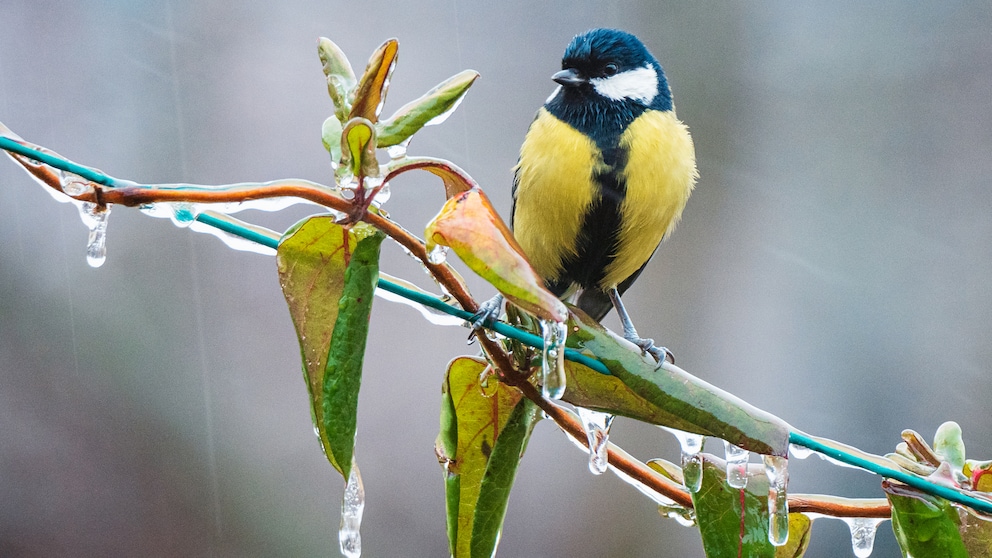
When a rain front approaches, we humans quickly reach for an umbrella or seek shelter. Outside, the mood changes abruptly: The sky darkens, the first drops fall, and suddenly it becomes noticeably quiet. If you look closely, you’ll notice: As soon as the rain showers arrive, the birds seem to disappear. Just moments ago, blackbirds, sparrows, or pigeons were everywhere, but with the rain, they seem to vanish into thin air. But where do they go all of a sudden? And what actually happens to them when it starts to rain?
Garden Birds Seek Shelter from the Rain
Anyone observing blackbirds and sparrows during a downpour will quickly notice that they instinctively head for birdhouses, under overhangs, or into tree hollows. Dense shrubbery or a leafy tree is also a popular rain shelter. Here, the birds wait until the rain clouds have passed. Blackbirds particularly enjoy the abundance of earthworms that surface during the rain to avoid drowning in their burrows.
Water Birds Wear Water-Repellent Feathers
Birds like swans or ducks spend a large part of the day on or in the water. Their plumage is therefore covered with a thin layer of fat to prevent the feathers from soaking up water and to dry quickly. These birds have a gland called the uropygial gland under their tail feathers. They use their beak to collect the gland’s secretion and distribute it over their plumage.
This is why water birds are often seen preening their feathers seemingly incessantly. The same protective effect of the feathers works in the rain: The water simply beads off. Nevertheless, most water birds swim to the calmer shore areas and seek shelter among reeds or cattails from strong gusts of wind.
Birds in the Rain–Together They Stay Warm
Penguins and gulls typically withstand bad weather by simply waiting it out. They remain relatively still in one spot until the worst is over. Some bird species huddle closely together to offer each other protection and warmth. This way, even the smallest penguins manage to stay cozy and warm in ice and snow.
Birds of prey also seem like stubborn creatures in the rain. They end their gliding flights over their hunting grounds and find a high vantage point. Here, they wait until the weather conditions improve.
Migration Traffic Jam at the Rest Stop in the Rain
Migratory birds sometimes have to cover several thousand kilometers. If the wind is coming from the wrong direction and there’s too much rain, the birds take a break. They remain at the migratory bird rest stop until the weather conditions improve. If these conditions worsen over time, it can lead to what’s known as reverse migration. The migratory birds then return a good distance along their original route.
Feeding Isn’t Enough: What Sparrows Really Need

Why Birds Suddenly Shred Crocuses
Parent Birds Act as Umbrellas
What won’t one do for their offspring: Many nesting bird species or those with chicks in the nest spread themselves over eggs and baby birds during rain. The soft down of the chicks offers little protection against moisture and is kept dry by the devoted parent birds. This also keeps the clutch warm.
Swifts have developed a very special survival strategy. When strong storm fronts approach, the parent birds fly around them until the sky clears again. The offspring are left in the cave-like nest during this time. The chicks can survive up to a week without food by reducing their metabolism, body temperature, and breathing rate. This way, the young swifts survive even if the parents cannot return to the nest for several days due to a severe storm.
How to Help Birds in the Rain
If you want to provide shelter for our native birds, you can rely on traditional bird feeders. When filled with birdseed, the animals are particularly fond of visiting. Nesting boxes for different bird species can also serve as cozy shelters in the fall and winter. In spring, they are often chosen as nesting sites. A combination of a bird feeder and a nesting box in a garden (or on a balcony) offers birds everything they need year-round.
- einfachtierisch.de, “How Do Birds Fare in Storms, Thunderstorms, and Rain?,” (accessed on July 7, 2026)
- vogelundnatur.de, “What Do Wild Animals Do in Storms?,” (accessed on July 7, 2026)
- nw-ornithologen.de, “What is Migration Traffic Jam?,” (accessed on July 7, 2026)
- vivara.de, “What Do Birds Do in Heavy Rain?,” (accessed on July 7, 2026)