

August 6, 2025, 4:49 am | Read time: 4 minutes
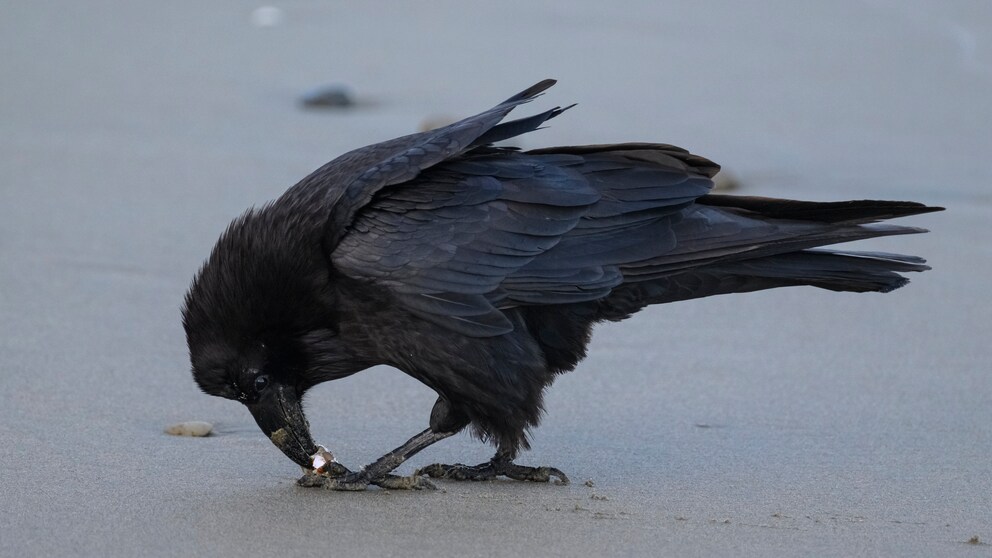
Corvids are not only smart, but they are also surprisingly practical: Many species, such as crows, hide food for tough times—and later find it again with precision. PETBOOK analyzed a comparative study in 2025 that shows how this behavior has evolved over millions of years. And: Which corvids are the best at planning their caches.
In the journal “Animal Cognition,” researchers from the universities of Exeter, Konstanz, and Wageningen published the largest comparative study to date on this behavior in 2025. They analyzed the so-called “caching behavior,” where corvids like crows create and hide caches, across a total of 29 bird species. The data shows: The lifestyle of the animals influences how much they hoard–and how well they remember their hiding places.
Who Hides Caches–and Why?
As part of their research, the scientists examined which factors influence how many caches different corvid species create.
These include:
- habitat
- diet
- social behavior
- the geographical distribution of the species
The result: Some corvids occasionally create small caches, while others store tens of thousands of seeds per season. Corvids from cold climates with highly fluctuating food supplies are particularly prone to caching. Less social species also tend to create more caches. This is likely because, in large groups, there is a risk that other birds will raid the caches. Solitary birds can store their finds more discreetly—and do not have to share their knowledge with the group.
How Many Caches Can Corvids Remember
The study shows: The ability to cache—that is, to hide and later find food—varies greatly among crows and their relatives. Particularly impressive are specialized cachers like the Clark’s nutcracker (Nucifraga columbiana): It hides between 20,000 and over 100,000 seeds each year—and finds a large portion of them months later. These caches not only ensure their survival in winter but also their breeding success in spring.
Other species also demonstrate impressive abilities:
- Pinyon jay: So dependent on caching that it skips breeding in poor mast years (Schaming 2015).
- Eurasian jay (Garrulus glandarius): Hides several hundred to a thousand acorns–helping to regenerate oak forests.
- American crow: Prone to seasonal caching, especially during significant climate fluctuations.
- Magpies: Create smaller food caches, often with meat or insects.
- Rooks: Only sporadically documented caching behavior.
- Jackdaws: Rarely cache—they mostly live in groups with stable food supplies
Also interesting: 7 Exciting Facts About Corvids
Smarter Than Expected! Crows Also Have Consciousness

7 Amazing Facts About the Jay
Impressive Long-Term Memory
Specialized species like crows not only remember the location of their caches but also the type and quality of the food—and retrieve the perishable caches first. Caching is not just a survival strategy but also evidence of the animals’ impressive long-term memory. 1
Social memory also plays a role: Eurasian jays and common ravens (Corvus corax) know if a conspecific has watched them store food—and later relocate it. These cognitive abilities are a sign of the overall intelligence of crows.
How Caching Has Evolved Over Time
The study goes a step further: It reconstructs how caching behavior has developed over the course of evolutionary history. The result is as surprising as it is insightful: Not all crows create caches—but where the behavior occurs, it has independently emerged at least four times. Caching has been “reinvented” multiple times over the course of evolution–a strong indication of how successful this strategy is for surviving in changing environments.
At the same time, it is evident that some species have abandoned the behavior—for example, when living in regions with a constant food supply or high competition. In such cases, the effort of storing food simply isn’t worthwhile. Caching is thus not a fixed trait of all corvids but a flexible strategy that has repeatedly adapted to new environmental conditions. 2