

January 5, 2026, 2:12 pm | Read time: 5 minutes
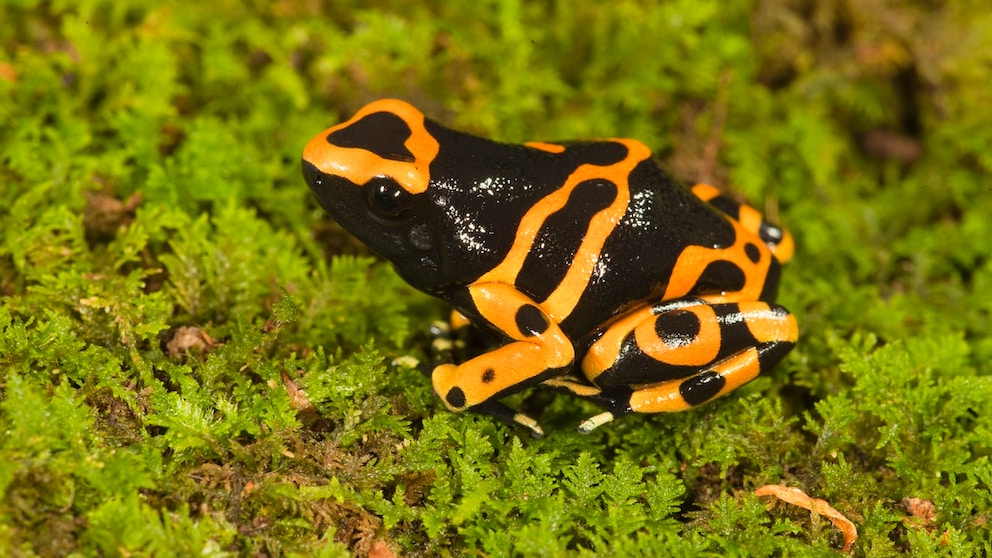
They shine in vibrant red, rich blue, or bright green—and with spots, stripes, or patches, they resemble small works of art by nature. But what appears so striking holds a surprising detail: The colorful poison dart frogs are named after a toxin that once posed a danger to humans—today, however, they pose no threat in terrariums. This makes them one of the most fascinating yet demanding pets. Now, the Central Association of Zoological Enterprises of Germany (ZZF) has named the poison dart frog the “Pet of the Year 2026″—aiming to highlight more than just its extraordinary appearance.
Vibrant Diversity with Responsibility
By choosing the Pet of the Year, the ZZF aims to draw attention to a particularly impressive yet care-intensive animal. “With its intense colors, active and social behavior, and highly interesting breeding care, the poison dart frog represents the impressive diversity of tropical amphibians,” explains ZZF board member Volker Ennenbach. He adds, “Our association also wants to highlight the responsibility that comes with the demanding care of these species.”
Originating from the Rainforests of the Americas
Also known as tree frogs, poison dart frogs belong to the Dendrobatidae family and are native to the humid rainforests of Central and South America. These small amphibians—measuring between one and six centimeters—live either close to the ground or several meters high in plants like bromeliads or tree forks, depending on the species. Their scientific name translates to “those who climb trees,” indicating their climbing behavior.
“Only three species are life-threatening to humans, with the most poisonous being Phyllobates terribilis—the terrible poison dart frog,” explains Ennenbach, who breeds many species himself. The toxin that gives the frog its name was used by the indigenous Chocó people of Colombia. They coated arrow tips with the frogs’ skin secretions for blowgun hunting.
The purpose in nature: protection from predators and diseases. In terrariums, however, the frogs lose their toxicity—and for a good reason. “In their native habitat, they acquire the toxin by consuming specific mites and insects like ants, which are not present in terrariums. Therefore, captive-bred poison dart frogs are not toxic,” says Ennenbach.
Demanding Care with Attention to Detail
The Dendrobatidae family includes eleven genera with around 170 species. Unlike most frogs, they are diurnal—when their bright colors are most visible—and thus easy to observe. “Their care in a terrarium requires special considerations, from a natural setup with a tropical climate to live food,” Ennenbach emphasizes. Depending on the species, they can be kept as pairs or in small groups of three to five animals.
Crucial for their well-being is a sufficiently large and well-structured terrarium with climbing opportunities. The frogs’ territorial lifestyle necessitates a thoughtful spatial arrangement. Hiding places, roots, and caves not only provide protection but also serve as egg-laying sites.
Plants like bromeliads play a special role in breeding care. They form so-called phytotelmata, which are small water-filled cavities or micro-waters. The males of some species carry their young on their backs—”piggyback”—to these natural water sources. This way, the tadpoles are not exposed to predators in rivers and ponds.
Technology for a Tropical Climate
In the terrarium, the climatic conditions must closely resemble those of the natural habitat. Humidity should consistently range between 60 and 80 percent, and temperatures between 22 and 28 degrees Celsius. This requires appropriate technology—and knowledge of how to use it. Regular monitoring of lighting, ventilation, and air circulation is as important as selecting the right equipment. The poison dart frog is sensitive to fluctuations in the microclimate—stable conditions are therefore essential.

The Most Poisonous Animals in the World
Why This Frog Doesn’t Die From Its Own Poison
Conservation Begins with Purchase
Those who choose to keep a poison dart frog take on responsibility not only for the animal itself but also for the conservation of the species. The natural habitats of many Dendrobatidae species are increasingly shrinking—whether due to deforestation or mining. Most species are therefore listed in Appendix B of the European Species Protection Regulation. They are not considered acutely endangered, but their populations are potentially at risk, for example, due to capture for the pet trade.
Therefore, special care is required when purchasing. “Ensure that you receive proof of the animal’s origin from the seller,” advises Ennenbach. “Except for the blue poison dart frog and the golden poison dart frog, poison dart frogs must also be reported to the species protection authority. You can inquire at the Federal Agency for Nature Conservation to find out which authority is responsible in your federal state.”
Why the ZZF Names a Pet of the Year
With the Pet of the Year award, the ZZF aims to bring less-known, often underestimated pets into focus. Additionally, it seeks to educate about their needs and appropriate care. At the same time, the initiative aims to raise awareness for species conservation. The decision is made by a jury of biologists, veterinarians, retailers, industry experts, and breeders. In 2023, the association named the bearded dragon as the first Pet of the Year. In 2024, the zebra pleco followed, and in 2025, the fancy rat secured the title.