

August 18, 2026, 1:27 pm | Read time: 4 minutes
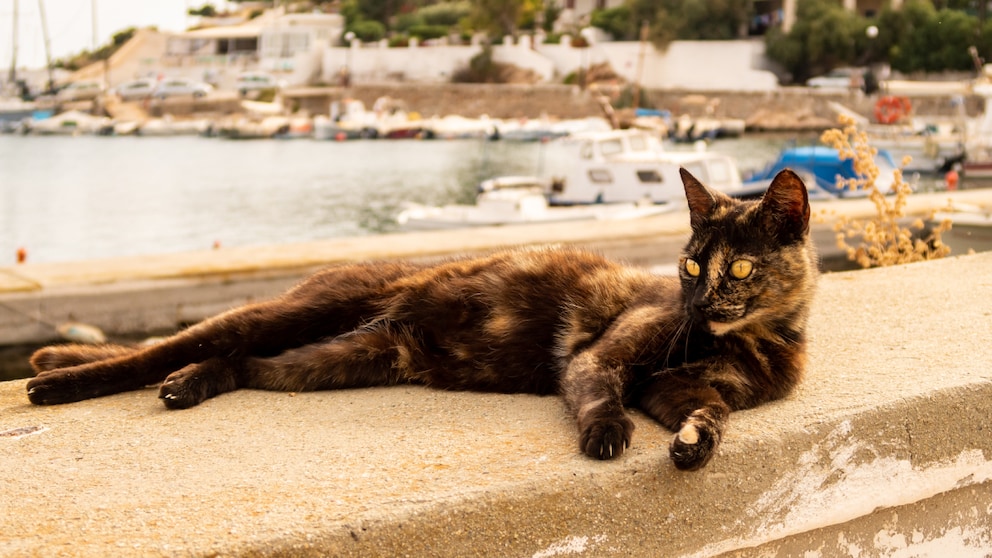
Live for free on a Greek island and help cats at the same time? On Syros, that’s exactly possible. The volunteer project “Syros Cats” offers helpers accommodation, breakfast, and utilities for a stay of at least one month—in return, they support the organization with daily cat care. But behind the dream of living by the Mediterranean lies a demanding daily routine that requires genuine commitment.
Animal Protection for Accommodation: Living and Working on Syros
The Greek animal protection organization “Syros Cats” offers volunteers the opportunity to live on Syros for at least one month—rent-free, but with responsibilities. In exchange for caring for stray and rescued cats, the organization provides free accommodation and breakfast. Travel and additional meals must be covered by the volunteers themselves, as TRAVELBOOK explains.
The work involves caring for cats in the shelter and looking after free-roaming cats. Daily tasks include feeding, medical care, cleaning rooms and litter boxes, and close interaction with the animals. Special attention is given to affection: “Cuddle with the cats as much as possible!” says the organization.
Volunteers work five days a week in fixed shifts, about six hours per day. They live together in a house, each with their own bedroom, sharing the kitchen, bathroom, and common areas. Typically, about four volunteers from different countries live together.
Challenge: Thousands of Stray Cats on Syros
The number of stray cats on the island is high—estimates suggest around 3,000 animals live on Syros. “Sterilizations are low, and the number of four-legged friends is constantly increasing,” explained local veterinarian Manolis Vorrisis to the state broadcaster ERT. Most volunteers reportedly come from Sweden.
Since many locals cannot afford neutering, “Syros Cats” focuses on capturing, neutering, medically examining, and then releasing stray cats. The procedure is identifiable by the missing ear tip. According to their own reports, the organization has treated more than 800 animals this way.

Care, Sponsorship, and Adoption
In addition to neutering, “Syros Cats” takes care of feeding, medication, and veterinary care. Currently, about 65 cats are under the organization’s care—including older, injured, and sick animals. Donations, sponsorships, and adoptions are essential for their care.
Interested parties can either choose a specific cat or take on a general sponsorship. For adoptions within Europe, a minimum donation of 300 euros is requested, and 150 euros for self-pickup. A completed questionnaire and compliance with regulations are required: Cats can only travel from four months of age and must be accompanied by the adopting person or a representative.
Requirements for Volunteers
Not only veterinarians or wildlife caretakers are needed. Animal-loving people without prior experience can also apply—provided they are responsible, fit, healthy, and independent. “Syros Cats” prefers applicants aged 25 and older. Children or personal pets cannot be brought along. If no European health insurance is available, the organization recommends taking out travel insurance.
Applications are submitted via the organization’s online form. Reliable, independent helpers with endurance and patience are sought. Applications for January to June 2027 open on September 1, 2026, and for July to December 2027 from November 1, 2026. The organization also announces further information and exact dates through its social media channels.

A Dog From International Animal Rescue? What You Should Know Beforehand
Why You Shouldn’t Feed Stray Cats
Living on Syros: Island Life Instead of Vacation Flair
The project not only allows for animal engagement but also a longer stay in Greece—an attractive offer given rising rental prices. Syros, with its capital Ermoupoli, offers a quiet alternative to tourist hotspots like Mykonos or Santorini.
Nevertheless, island life is not lacking: Local specialties like Loukoumi, beautiful beaches, neoclassical architecture, and attractions such as the Apollon Theater or the Archaeological Museum shape the island’s image. The approximately 12,000 residents ensure a lively atmosphere even in the off-season.
Syros is accessible by ferry and a small airport and, according to the tourism portal “Discover Greece,” is particularly suitable for digital nomads. The island’s capital offers stable internet, coworking-friendly cafes, and a cultural offering available year-round—ideal for volunteers who want to work remotely on the side.
Mission with Downsides: The Suffering of Street Animals
Despite all efforts, the reality for many cats on Syros remains harsh. They live in garbage dumps, vacant lots, or abandoned buildings. Diseases, parasites, abuse, and hunger are widespread. On the “SyrosCats” website, it states: “Those hit by cars are lucky; many others suffer a slow, agonizing death from their injuries.”
Around 100 volunteers help on the island annually, averaging seven per month. Those willing to take responsibility and actively improve the animals’ daily lives will find not only a meaningful task on Syros but also the opportunity to experience an alternative life on a Greek island.