

November 10, 2026, 11:48 am | Read time: 6 minutes
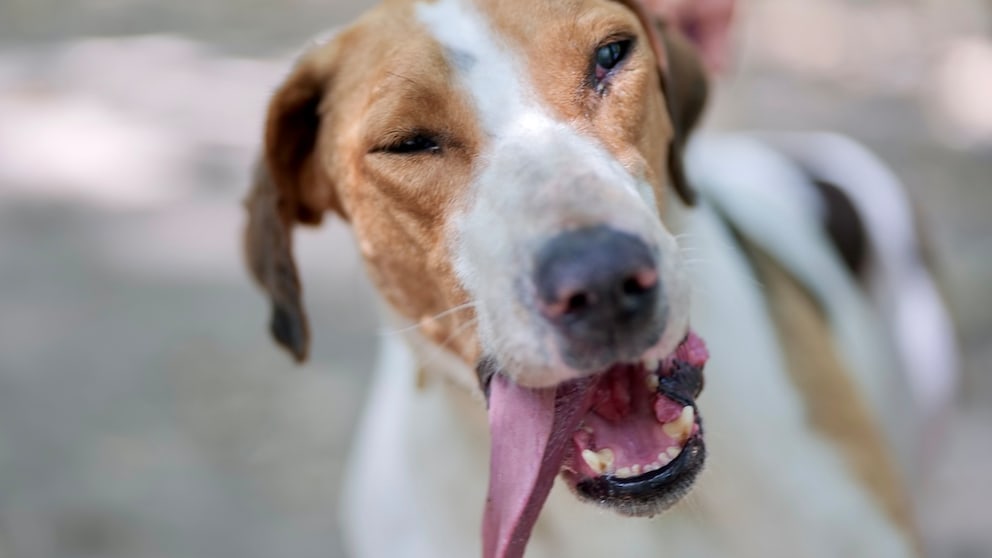
Boomer survived the war in Ukraine, lost his siblings, and endured a long evacuation through the crisis area. Today, the approximately 100-pound gentle dog with a neurological impairment lives in a partner animal shelter in Bulgaria. He is safe there, but far from settled. In a conversation with PETBOOK, Stephanie Gauermann from the Marfino Animal Protection Association discusses what Boomer had to endure, the consequences of irresponsible breeding, and why more dogs with severe disabilities need special help.
Boomer Was Born in the Midst of War
Boomer was born in Ukraine in 2022. Staff at a partner animal shelter there know his story firsthand. They visited the breeder, saw Boomer, his parents, and his siblings, and documented the dogs with photos.
It is known that Boomer’s parents were siblings. This irresponsible pairing did not come without consequences: The young dog was diagnosed with infantile cerebral palsy. His siblings did not survive the harsh living conditions. Boomer’s fate starkly illustrates the consequences of uncontrolled inbreeding and reckless breeding decisions. The health consequences are borne not by those who allow such pairings, but by the animals.
A Wake-Up Call Against Irresponsible Breeding
The case of this dog represents a larger problem. In dog breeding, health and quality of life are still too often subordinated to external characteristics, economic interests, or rapid reproduction. Close relative pairings further increase the risk of genetic defects. Boomer’s story is therefore a wake-up call to critically question breeding practices. The focus should be on the health, temperament, and genetic diversity of the animals.
At the same time, more and more dogs with severe illnesses, disabilities, or the consequences of problematic breeding practices end up in animal protection. Their care is not only labor-intensive, but their placement is also difficult. For the organizations, this means a long-term responsibility that goes far beyond rescuing a single animal.
Also interesting: These dog breeds are considered torture breeding
Boomer Is More Than His Diagnosis
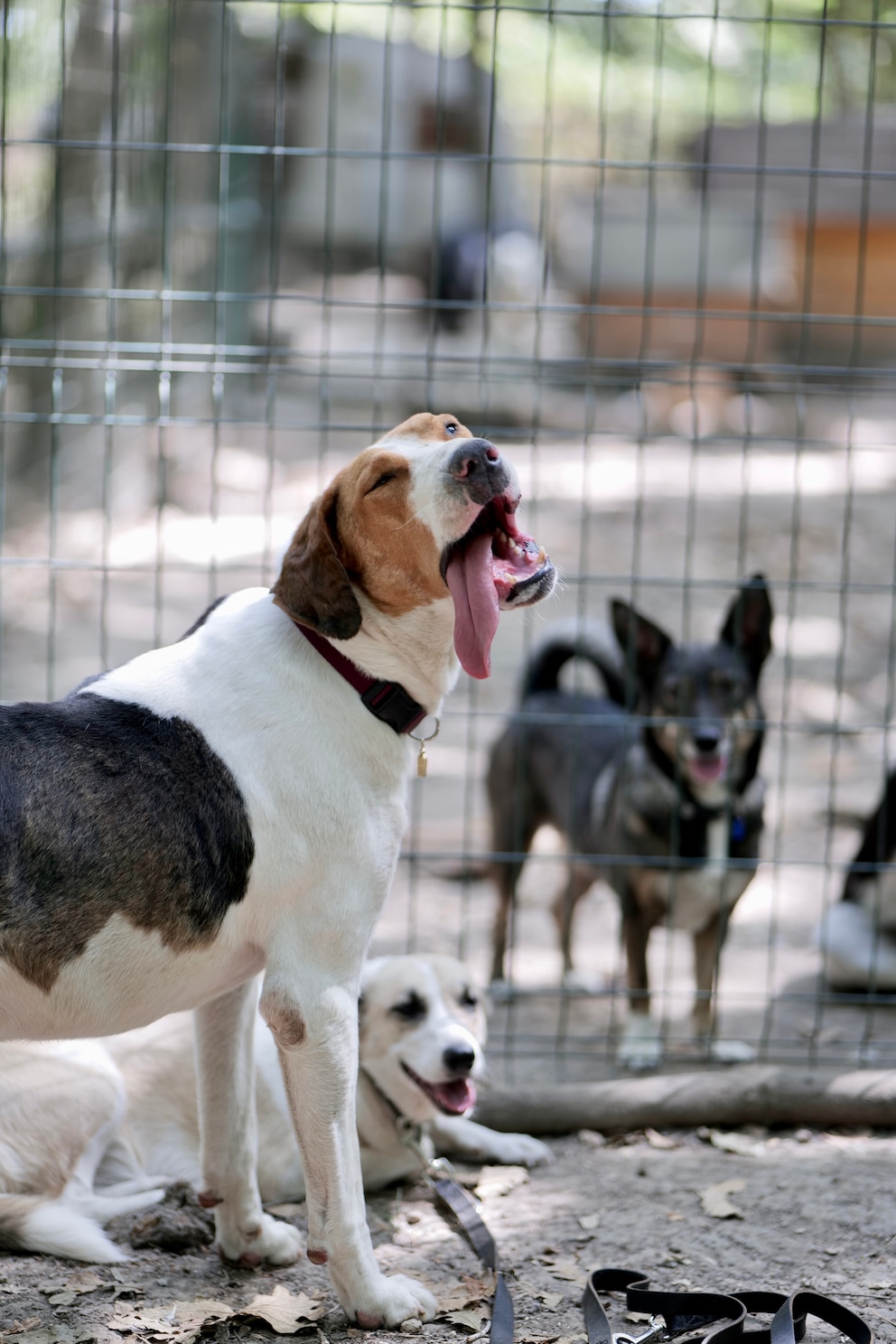
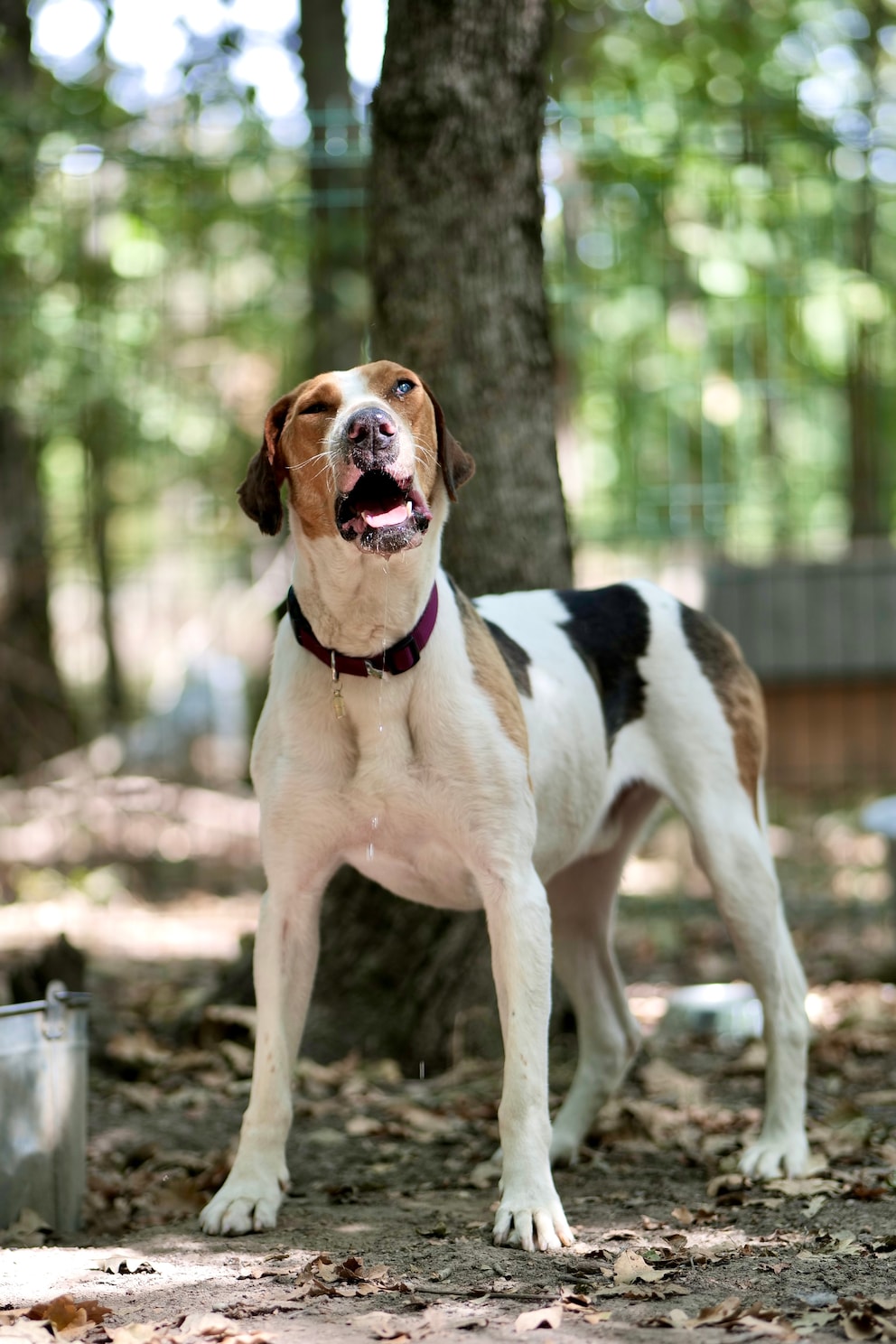
Infantile cerebral palsy primarily affects Boomer’s movements. “His gait is noticeable, his head posture is altered, and his fine motor skills are limited. Additionally, he cannot bark, which means he lacks an important means of canine communication,” explains Stephanie Gauermann to PETBOOK.
But describing Boomer only by his symptoms does not do him justice. “Boomer is a loyal, strong-willed, and grateful dog. At the same time, he is an exceptionally gentle dog, despite his size of around 100 pounds,” says Gauermann. Boomer is not an acutely ill dog who needs constant medical care. He currently does not require medication and can manage many things independently. Nevertheless, he remains a dog with special needs.
To ensure Boomer gets along as well as possible, he needs a safe, barrier-free environment and ample time during walks. Regular physiotherapy should support his muscles and mobility. His future caregiver should also be physically able to assist him if needed. However, for Gauermann, something else is crucial: “What Boomer needs most is not pity, but understanding. He does not want to be reduced to his handicap but simply wants to live as a dog.”
Why the Shelter Is Particularly Stressful for Boomer
Boomer is safe and secure. But a shelter is not a good permanent environment for a dog with his special needs. “A shelter means noise, strangers, other dogs, constant sounds, and little opportunity to retreat permanently,” explains Gauermann.
Due to his neurological impairment, Boomer’s nervous system is already particularly challenged. The many changing stimuli can quickly become an additional burden for him. “A typical shelter routine with long periods in a kennel is therefore not a good long-term perspective for him,” says the Marfino Animal Protection Association. Boomer needs predictability and the closeness of a familiar person. Both are difficult to ensure permanently in a crowded shelter.
Also interesting: “We assume that Phex will die in the shelter”
The “Linda Foster Home” Helps Animals with Special Needs
For Marfino e. V., it’s not just about posting a single adoption ad for Boomer. “That’s why it’s so important for us as an organization to take responsibility for animals like Boomer. With our ‘Linda Foster Home’ project, we have created a safe place for elderly and disabled animals with special needs who often struggle to find a home,” explains Gauermann.
In such places, animals can be cared for that quickly reach their limits in a regular shelter environment. They receive more peace, individualized care, and an environment more attuned to their physical and emotional needs. However, the work of such facilities is labor- and cost-intensive. In addition to food and veterinary care, dogs with disabilities often incur costs for physiotherapy, aids, transportation, and adapting their environment. Protecting these animals is therefore not a short-term rescue mission but a long-term task.

Dog Smoky Saved Soldiers’ Lives in World War II

Peta on animal rescue in Ukraine: “Russian drones shoot at everything that moves”
This Is the Home Boomer Needs
A permanent sanctuary or initially a suitable foster home is being sought for Boomer. “Ideally, it would be a quiet house with a garden in the countryside, away from city hustle and bustle and with as little noise as possible.” His future people should be patient and empathetic, able to physically support him if needed, and willing to take him to physiotherapy regularly. Gauermann: “Boomer needs people who are not looking for a ‘perfect’ dog. People who see his character and give him the opportunity to just be Boomer.”
A home with few barriers would be particularly important for the dog. Slippery floors, many stairs, and hectic everyday situations could unnecessarily complicate Boomer’s life.
Boomer Should Finally Be Able to Settle
Boomer’s story is sad. But it is not just a story about war, inbreeding, and disability. It is also about a dog who, despite everything, is in the midst of life. The dog shows that a handicap does not have to stand in the way of a fulfilling life. What matters are people who accept his uniqueness and provide him with the security he needs. For Stephanie Gauermann, it is clear: “A dog doesn’t have to be perfect to be a wonderful companion.”