

March 8, 2025, 7:04 am | Read time: 3 minutes
As temperatures rise, many pets enter a hairy season–the shedding of their winter coat begins. Suddenly, loose hairs are everywhere: on furniture, clothing, and floors. But should pet owners actively help their furry friends shed their winter fur? Experts offer clear recommendations.
Due to the mild temperatures, many dogs and cats have already been shedding more in recent weeks. “Now the remaining hairs are coming loose–gentle, regular grooming is therefore particularly important,” explains PETA specialist Björn Thun. Besides strengthening the bond between humans and animals, this also ensures a cleaner home during the shedding of the winter coat.
According to Thun, the extra care not only gives pets an extra dose of affection and strengthens the human-animal relationship. A positive side effect is that the home remains free of pet hair. Björn Thun has a few tips for grooming.
Daily Brushing Helps with Shedding the Winter Coat
While our pets shed their winter coat, they greatly benefit from daily, gentle brushing. Special combs and brushes are available in specialty stores, but it should be explicitly asked which ones are suitable for which type of fur. Especially for long-haired animals, it is important to ensure that combs and brushes are not too sharp to avoid injuries.
Regular brushing removes dead hair and promotes blood circulation, which accelerates the shedding process. However, it is important to gradually accustom the animals to grooming so that they find it pleasant. Too much pressure can cause dandruff, skin irritation, or even pain. Occasional breaks make brushing more enjoyable.
Proper Brushing–Technique is Key
Experts recommend always brushing in the direction of hair growth–from the head down toward the body and legs. For dense fur, it is helpful to work with parts: Gradually part the fur from the neck down and thoroughly comb out each exposed section. This way, the warming undercoat is gently combed out.
Grooming Gloves for Short-Haired Animals
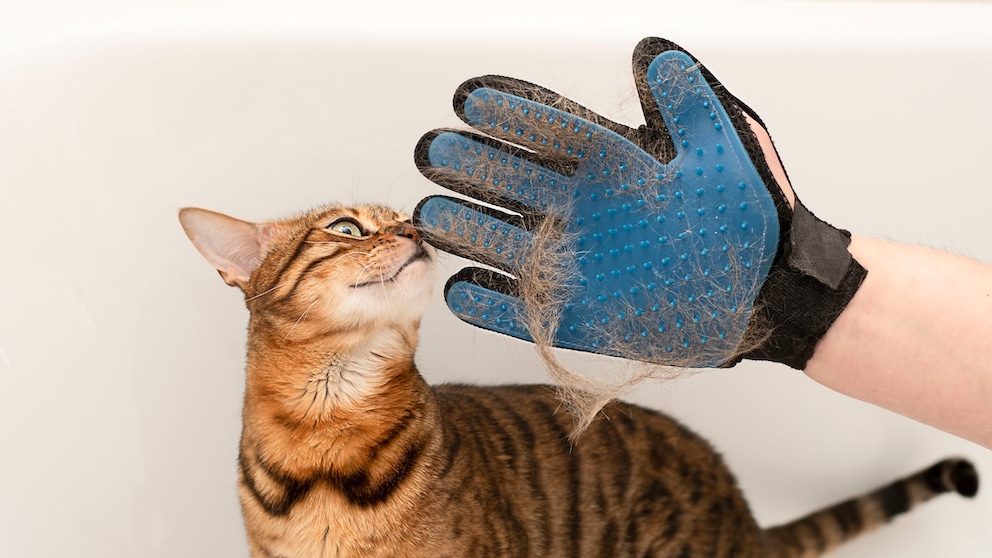
For short fur, a grooming glove is useful. The plastic nubs protect the sensitive skin and remove loose hairs. For the animals, it feels more like a massage or petting, which many pets greatly enjoy. Cats, in particular, appreciate treatment with grooming gloves–although they may not allow their belly to be touched, as this area is very sensitive.

Which Wellness and Care Treatments for Dogs Are Beneficial in Winter

9 Practical Tips for Removing Pet Hair from Clothing
Oils for Healthy Fur
During the time when animals shed their winter coat, various oils can also be supportive. In particular, the addition of unsaturated fatty acids to the diet can promote skin and hair metabolism. Small amounts of linseed oil, rapeseed oil, walnut oil, or hemp oil in the food promote hair growth and help with dry, flaky skin. However, oil should only be fed in moderation, as an overdose can lead to digestive problems.
When a Vet Visit is Necessary
If an animal suddenly loses an excessive amount of hair, suffers from severe itching, or develops circular, hairless, and reddened skin areas, an illness may be behind it. In that case, it’s a matter for the vet. Possible causes can include fungal infections, immunological disorders, or hormonal problems.
With material from dpa