

April 15, 2026, 10:56 am | Read time: 3 minutes
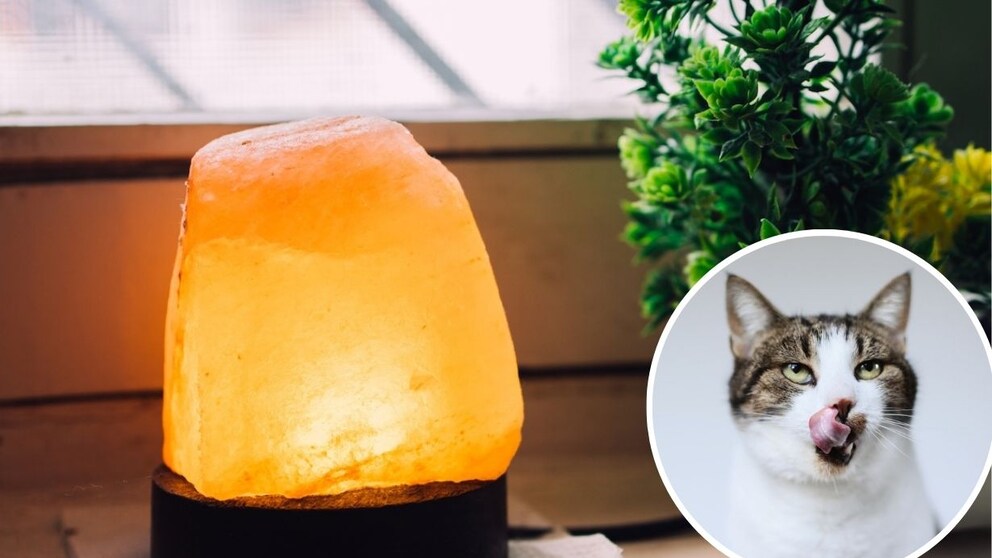
Anyone living with pets should be cautious if salt lamps are in the home. What appears decorative to humans can potentially be dangerous for pets. If dogs or cats lick the lamps, it can have serious health consequences.
What Happens When Pets Lick Salt Lamps?
Salt lamps, also known as salt crystal lamps, are made from natural salt stones. Some animals find the salty taste particularly appealing. The problem: Repeated licking can lead to the intake of large amounts of sodium.
This can cause sodium levels in the blood to rise significantly. The insidious part is that symptoms often develop gradually. If animals repeatedly lick the salt lamp over a long period, sodium can accumulate in the body, eventually leading to serious health issues.1
Are Salt Lamps Really That Dangerous?
Dr. Kutschmann, president of the Veterinary Chamber of Saxony-Anhalt, stated that he has not encountered such salt lamp emergencies. However, this does not mean there is no risk: “If animals lick a salt lamp a little, they are not necessarily in immediate danger. The dose makes the poison. If they lick it over a long period, it leads to salt poisoning, which can indeed become life-threatening.”
Even though such cases are generally rare, pet owners should not underestimate the risk.
Pet Licked a Salt Lamp–What Can You Do?
If a pet shows noticeable symptoms, quick action is necessary. It is especially important that the animal consumes enough fluids. Water helps flush the excess salt from the body. “Ideally, the pet should drink plenty of water. By providing fluids, the salt is flushed out of the body,” said Dr. Kutschmann.
However, this does not replace veterinary treatment. If poisoning is suspected, a veterinarian should be consulted as soon as possible.
What Happens When Cats Eat Too Much Salt
Can Dogs Eat Pretzel Sticks?
How Pet Owners Can Prevent Issues
To prevent a dangerous situation from arising, salt lamps should be placed out of reach of pets. Curious animals like cats or dogs might otherwise keep licking them.2
Alternatively, it might be wise to avoid salt lamps altogether or use them only in rooms that pets cannot access.
What Other Household Items Can Be Dangerous for Pets?
There are several items and foods that can be dangerous for pets if ingested. Plants like the poinsettia are toxic, for example. Raisins can also be hazardous for dogs and cats. After consumption, they may experience vomiting, diarrhea, stomach cramps, and tremors. If a dog or cat eats too many raisins, they can even suffer kidney failure or, in the worst case, die from it.
“Chocolate with a high cocoa content is especially harmful to pets. If you give a small dog, for example, half a bar of dark chocolate, it can potentially be fatal. But again, the extent of consumption depends on the size of the animal and the amount ingested,” said Dr. Kutschmann.