

December 25, 2025, 2:57 pm | Read time: 4 minutes
When temperatures plummet, a reliable winter jacket becomes an essential companion. Down jackets, in particular, are considered versatile warmers—light, insulating, and comfortable. However, while their function is convincing, the origin of the filling is critically important. Not every jacket is recommended without reservations. PETBOOK explains what lies behind this popular winter clothing and what consumers should pay attention to when purchasing.
From Survival Aid to Fashion Icon
The invention of the down jacket stems from a dramatic experience: In 1936, American athlete Eddie Bauer nearly suffered hypothermia during a fishing trip because his clothes were soaked and the icy wind took its toll. This experience inspired him to develop a new type of outerwear—it should be light, water-repellent, and breathable at the same time.
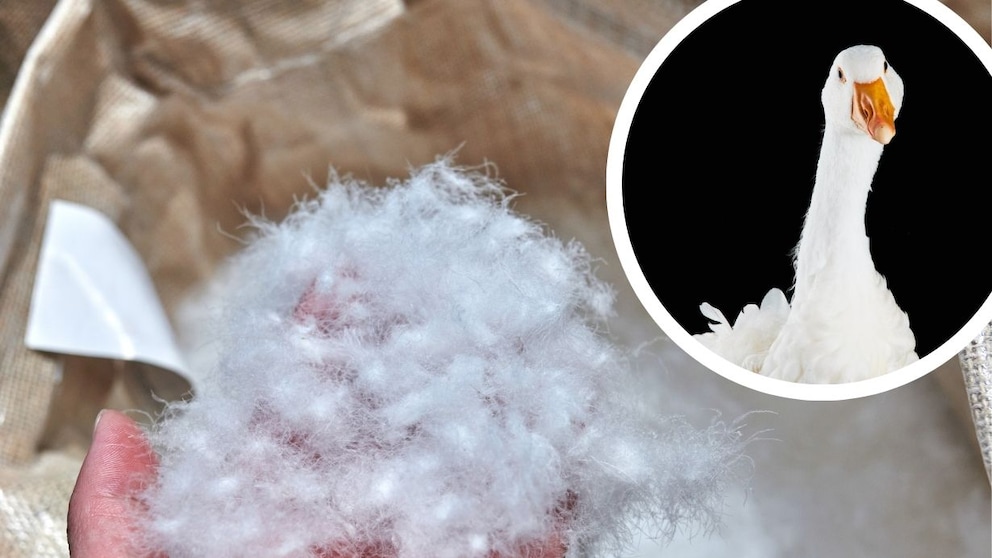
Wool was not an option for him, but goose down was. The underfeathers of geese store body heat extremely effectively. The idea of distributing the down evenly in quilted chambers gave the jacket its characteristic shape and function. Bauer patented his construction, including the quilting pattern, in 1940—the beginning of a successful clothing concept that continues to this day.
Sourcing Down: Animal Welfare in Focus
Down jackets owe their insulating effect to the unique structure of goose and duck down. These are light yet warm—ideal for cold winter days. In about five percent of cases, however, the down comes from live plucking—a method where feathers are ripped from live animals. The remaining 95 percent, according to reports, come from the food industry, where the animals’ feathers are used as a byproduct and further processed.
These Seals Provide Guidance When Buying
Those who want to focus on animal welfare and sustainability when purchasing should look for recognized certificates or specifically ask the retailer about the origin of the down. The following standards offer reliable guidance:
Responsible Down Standard (RDS)
The RDS (Responsible Down Standard) seal was initiated by the brand The North Face together with the nonprofit organization Textile Exchange. It guarantees that animals are provided with adequate space, ponds for swimming, or the opportunity to build nests, ensuring a species-appropriate life, and the down is then obtained through slaughter plucking. Additionally, no down from other sources may be mixed in.
Bluesign Approved
Those who value a holistic, sustainable production should look for the ” Bluesign Approved” label. It stands for particularly resource-conserving manufacturing—from the fiber to the finished garment.
Global Traceable Down Standard (GTDS)
A particularly strict standard is the Global Traceable Down Standard, developed by the outdoor label Patagonia together with animal welfare organizations and NGOs. With the Global Traceable Down Standard, live plucking and force-feeding are guaranteed to be excluded, and even parent farms are subject to the strictest inspections. Additionally, Patagonia focuses on recycling: Old down is collected, cleaned, and reused in new products—an important contribution to sustainability. Buying second-hand down jackets is also an environmentally friendly alternative to new purchases.

How to Identify Sustainable Clothing Without Animal Cruelty

Marten Hair Brushes Fact Check – Origin, Criticism, and Alternatives
Vegan Alternatives to Down Jackets
Those who reject down for ethical reasons don’t have to freeze. Many outdoor brands now rely on synthetic or plant-based insulating materials. Polyester is most commonly used. The synthetic fiber is quick-drying, provides good warmth even when wet, and is particularly easy to care for. These properties also make polyester popular for sleeping bags. And: You can achieve the classic puffer jacket look without any animal products.
Conclusion: Pay Attention to Trustworthy Seals
Down jackets are true warmth wonders—but when choosing, it’s not just about functionality. Animal welfare, sustainability, and transparent supply chains are playing an increasingly important role. Those who buy consciously and pay attention to trustworthy seals can enjoy the cold season warmly and with a clear conscience.