

January 29, 2026, 10:13 am | Read time: 4 minutes
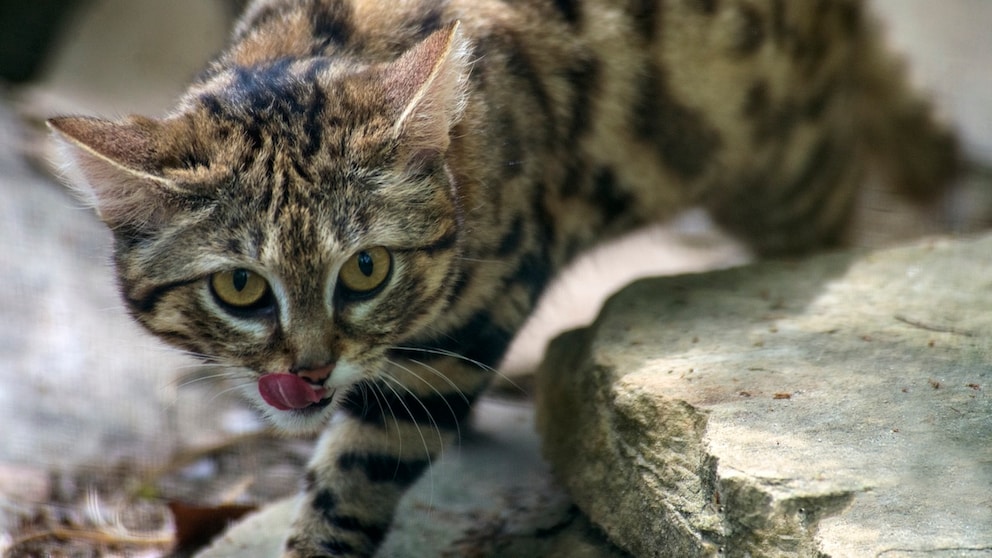
It is smaller than the average domestic cat, but its hunting skills surpass even those of lions and tigers: the black-footed cat, Africa’s smallest wild cat, impresses with its astonishing efficiency and versatility. Despite its cute appearance, it is a fearless and skillful hunter—and at the same time fights against the risk of extinction.
With a body size of up to 44 centimetres and a maximum weight of 1.7 kilograms, the black-footed cat (Felis nigripes) is the smallest wild cat in Africa. But its small size is deceptive: with a hunting rate of 60 percent, it is one of the most successful hunters in the animal kingdom.
The Black-Footed Cat: The Wild’s Most Efficient Hunter
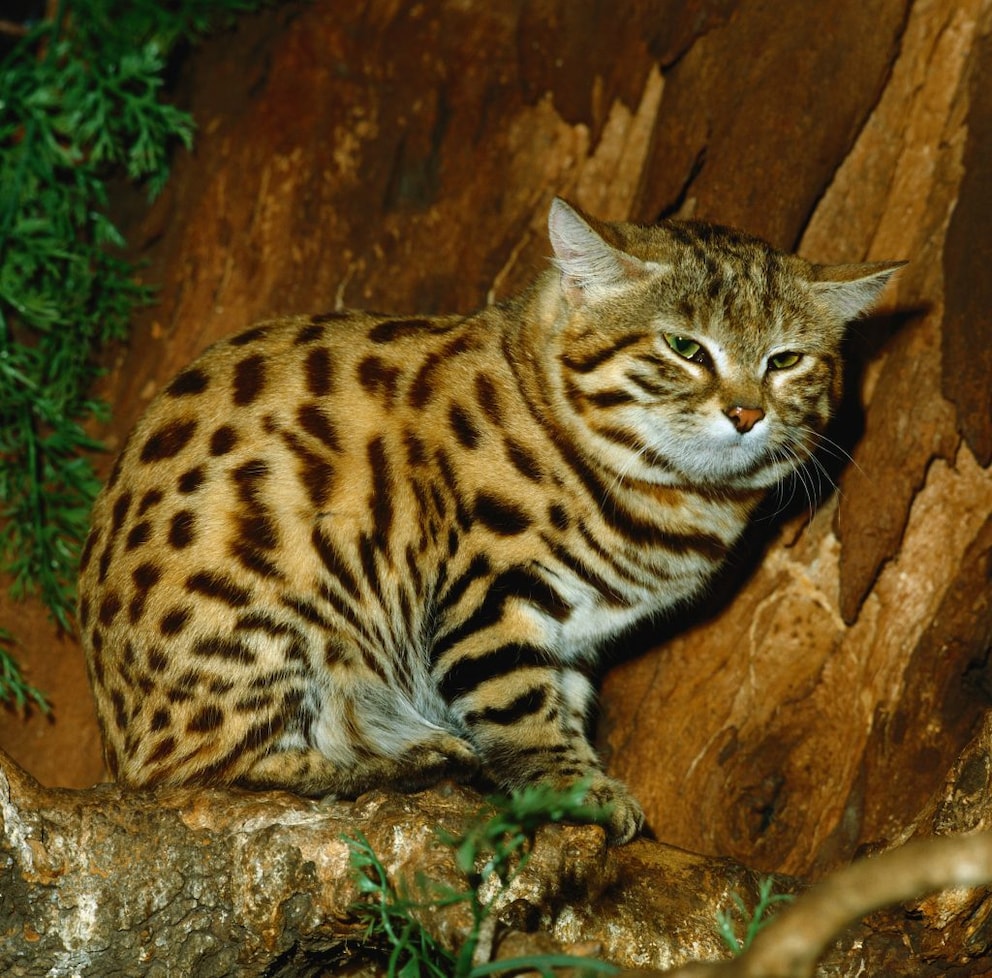
Although the black-footed cat may resemble a small domestic cat with a slightly larger head upon first glance, it is in fact a non-domesticated wild cat. Its tabby pattern is also initially reminiscent of a tabby domestic cat, but on closer inspection, it looks different and therefore also distinguishes it from the wild cat, which also occurs in Africa.
The horizontal stripes on the legs are a distinctive feature of these animals. Some specimens also have spotted fur. Incidentally, the animals are aptly named because the underside of their paws is actually black. The wild cat is native to southern Africa, including Namibia, Botswana, and South Africa, and is also known as the karoo cat. 1
Captures More Prey Than Lions, Tigers, and Pumas
According to a BBCreport, the black-footed cat has an efficient hunting rate of 60 percent and thus grabs more prey than lions, tigers, and pumas. And the little hunter doesn’t really care what it eats. The diet of the black-footed cat was documented in a scientific study. The nocturnal animals ate gerbils and bush rats the most.
However, remains of spiders, insects, birds, and mice were also found in the animals’ stomachs. But these efficient hunters do not shy away from larger prey either. Biologists and researchers have also occasionally found spiny agamas, Cape hares, South African ground squirrels, and black-bellied bustards in the animals’ stomachs. Some of these prey animals are considerably larger than the black-footed cat.
The Chihuahua Among Predatory Cats
There is even a legend about this small and incredibly tough cat in its homeland. It says that the black-footed cat can even hunt down giraffes. Of course, this is not true, but it shows the impression that the spirited little cat of prey leaves on people.
In fact, researchers from the “Black-Footed Cat Working Group” of the International Society for Endangered Cats (ISEC) Canada often observe interactions between black-footed cats and other animals in their habitat. One of them observed a black-footed cat right next to a nest of paradise cranes. These birds can weigh up to six kilograms and boast a wingspan of up to two meters. This shows that these cats may be small, but they don’t let their size stop them. You could almost say they are the Chihuahuas of the big cats. 2
Black-Footed Cats Have Several Hunting Strategies
Black-footed cats traverse 8 to 16 kilometers per nocturnal foray; the individual named Gyra, documented by the BBC, even roamed 20 kilometers in pursuit of prey. The animals are very shy and usually hide in caves during the day. However, when the hunt begins, the small wild cat is fully in its element.
They have several hunting strategies at their disposal, ranging from slow stalking, sudden leaps and startling, to complete inactivity followed by a fatal bite. Perhaps it is precisely because of their flexibility that black-footed cats are so successful at hunting.

Cute but Deadly: The World’s Smallest Wild Cats

Hardly anyone knows these 16 wild cats
Inbreeding Endangers the Black-Footed Cat
The black-footed cat ranks among Africa’s rarest felines. It is only found in South Africa, Namibia, and Botswana, with a total population size of less than 10,000 individuals. Due to the ever-increasing fragmentation of its habitat, the population now shows a high degree of inbreeding, as a study published in 2024 showed.
Inbreeding can increase the risk of amyloidosis. This is a fatal disease that kills around 70 percent of captive black-footed cats and also affects wild populations. Long-term ecological studies of the black-footed cat in South Africa and Namibia show that the species is also exposed to numerous complex threats, including land-use change, fragmentation, disease, and climate change. 3
Other Interesting Facts About the Black-footed Cat
- Able to survive without drinking water
- uses abandoned burrows of other animals to hide during the day, although they are good burrowers themselves
- can live up to 15 years
- only has one or two young, usually in November and December
- must eat feathers to meet their need for the essential amino acid taurine
- kills a vertebrate about every 50 minutes
- has been classified as “Endangered” since 2002 4