

November 18, 2026, 10:06 am | Read time: 3 minutes
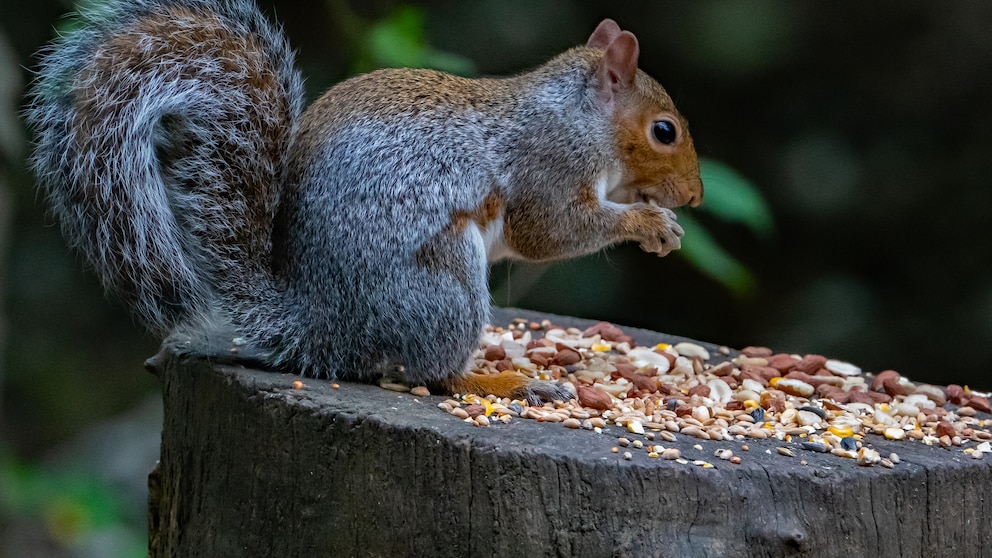
If you watch a squirrel in the fall, you usually see one thing: It collects, cracks, and buries nuts. But this image is just a snapshot. The rodent’s diet is much more varied than many think. PETBOOK explains what squirrels eat, how they survive the winter, and what to consider when feeding them.
What do squirrels eat in the wild?
According to NABU, squirrels primarily eat energy-rich fruits and seeds, such as those from beech, oak, pine, maple, and spruce. They also consume chestnuts and nuts. Additionally, they eat buds, flowers, galls, and fungi, as well as animal food. Occasionally, they raid bird nests.1
The Association Against Animal Abuse (bmt) also lists tree shoots, berries, apples, and cherries. Occasionally, the animals eat insects and caterpillars.2
How do squirrels survive the winter?
Squirrels do not hibernate. In cold weather, they are only active for a few hours a day, depending on the weather. Before winter, they store little fat. Instead, they hide food in caches and raid them when food becomes scarce. In the fall, they bury their supplies in the ground, according to bmt.
This has a side effect: Because the animals distribute their caches, they contribute to the spread of tree and shrub species.
Also interesting: What is the difference between winter rest, winter torpor, and hibernation?
Should you feed squirrels?
ÖKO-TEST considers it generally possible to provide food in parks or gardens. The reason: Squirrels do not hibernate, and in cities, they do not always find enough food. Late frosts in spring can also cause shortages. At the same time, the guide refers to NABU Baden-Württemberg. According to large studies, the populations do not benefit from supplemental feeding.3
Why Many Squirrels Don’t Even Reach One Year Old
Raccoon in the Garden and House? 6 Tips to Keep It Away
What can be included in the food and what not?
Sunflower and pumpkin seeds, beechnuts, as well as hazelnuts and walnuts, are considered appropriate. Fruit should only be given occasionally, and then only ripe in the fall. NABU also mentions corn and special feed mixes.
According to the Animal Protection Advisory Board of the Darmstadt-Dieburg district, you should not feed cow’s milk, almonds, peanuts, and vegetables. They could cause bloating and diarrhea, which can be fatal.4
Also interesting: What deer eat in winter and how humans can harm them
How to feed properly?
- Feeder: ÖKO-TEST recommends a feeder with a window and flap. Squirrels can easily open the flap, but other food competitors cannot.
- Hygiene: Feeding stations can transmit diseases, according to NABU. Therefore, they should be cleaned regularly, as should water troughs.
- Water: The animals need water all year round, especially in summer. Shallow clay saucers are suitable for this.
- Multiple locations: If you have space, you can set up several feeding and watering stations.
- Safe location: Especially in January and February, feeding stations should be protected and clean, out of reach of cats.
- Long-term: A hazelnut bush or walnut tree in the garden also supports the animals.
A weakened squirrel should not be fed immediately in winter. According to the Animal Protection Advisory Board, the animal must first be warmed up, or it risks a circulatory collapse.