June 30, 2026, 7:05 am | Read time: 3 minutes
Spiders divide opinions: Some find them fascinating, while others get goosebumps just at the sight of an eight-legged creature. One thing is certain, though: There are venomous spiders in Germany, and some are spreading further due to rising temperatures. PETBOOK provides an overview of which species are found here, how dangerous their bites really are, and when caution is advised.
Which Spiders in Germany Are Dangerous?
People with arachnophobia need to brace themselves. Although most spiders in Germany are harmless to humans, there are venomous species. Some can deliver painful bites or, in rare cases, cause more severe symptoms. Here is an overview of the most important venomous spiders in Germany.
The Nosferatu Spider
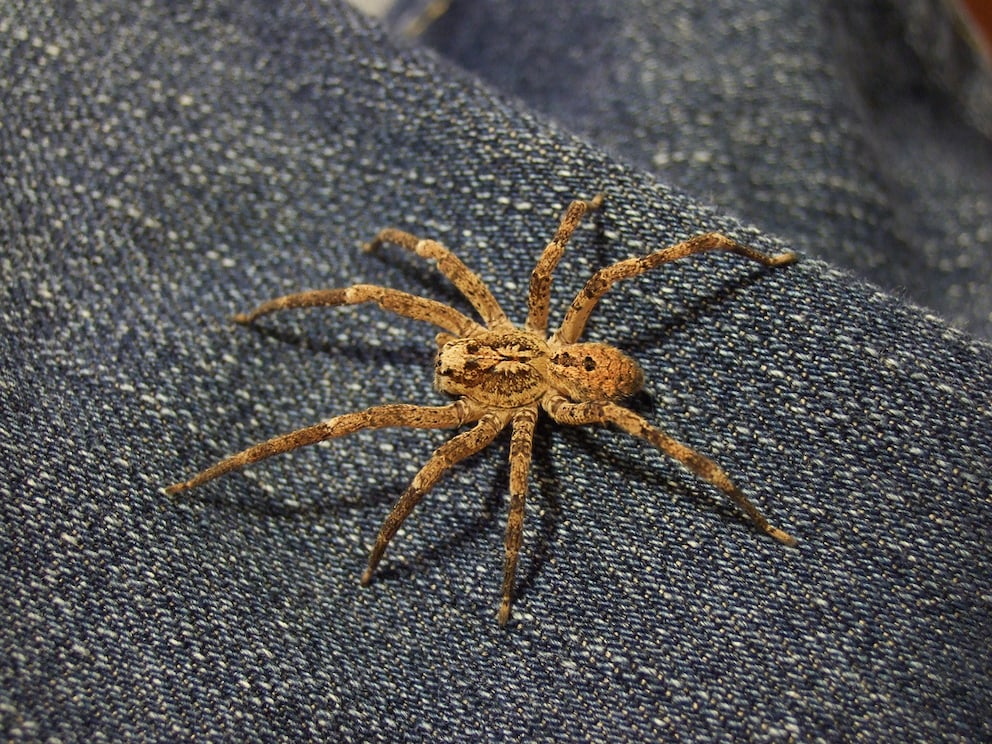
In recent years, the Nosferatu spider has repeatedly made headlines. Originally from the Mediterranean region, it has now been found in many parts of Germany. Its bite can be painful and is often compared to a wasp sting. However, it is generally considered harmless to healthy adults.
Also interesting: How dangerous is the venomous Nosferatu spider really?
The Common Cellar Spider
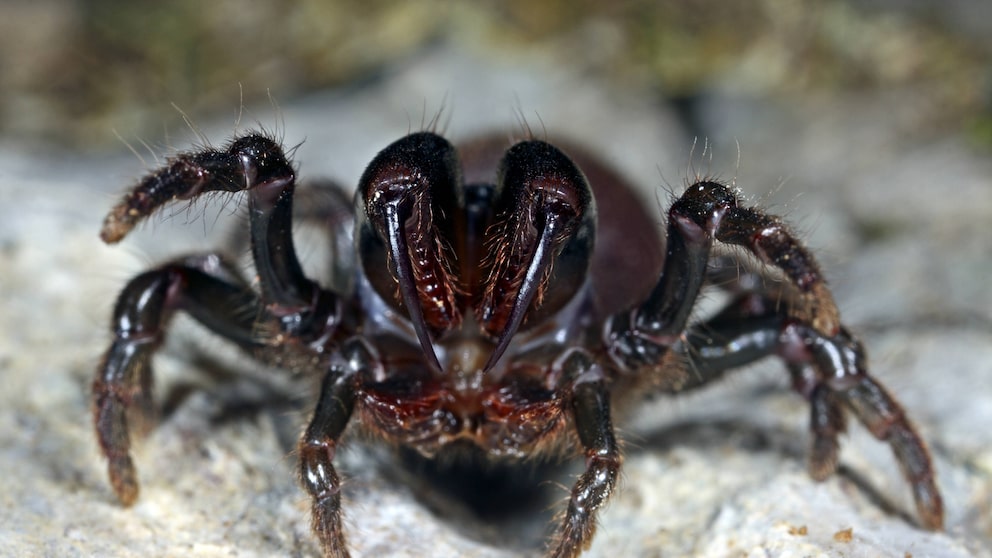
The Common Cellar Spider belongs to the tarantula-like species and holds a special position among native spiders. It lives in self-built earth burrows and rarely leaves them. Encounters with humans are therefore extremely rare. Although it also has venom, bites are almost unheard of.
The Garden Cross Spider
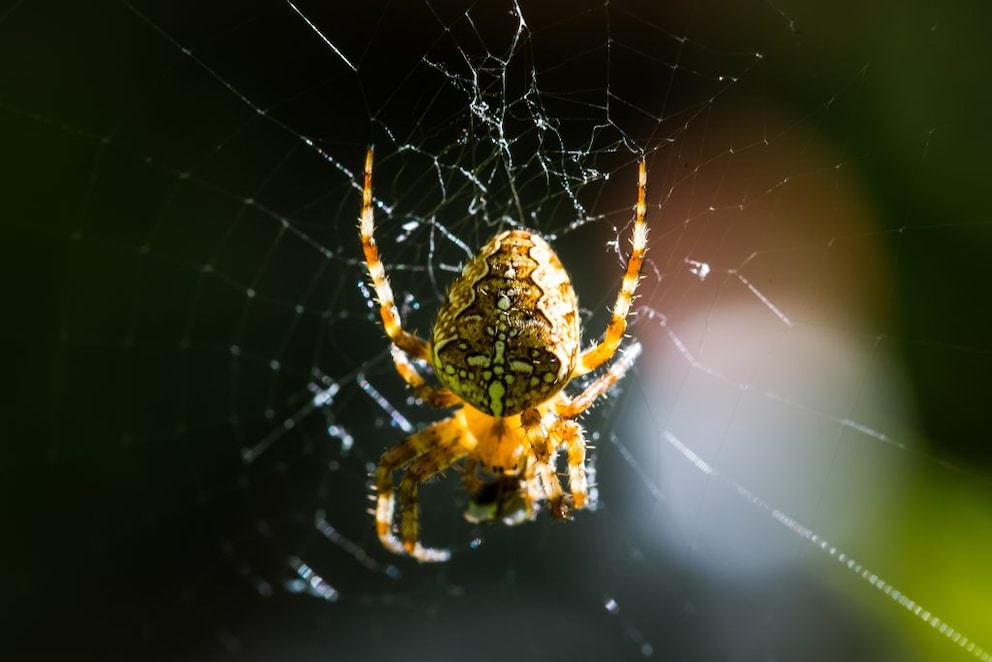
The Garden Cross Spider is one of the most well-known native spider species. Although it also has venom, it is used solely to subdue prey. Since its fangs usually cannot penetrate human skin, bites are rare and generally no more painful than a mosquito or mild wasp sting.1
The Nurse Thornfinger
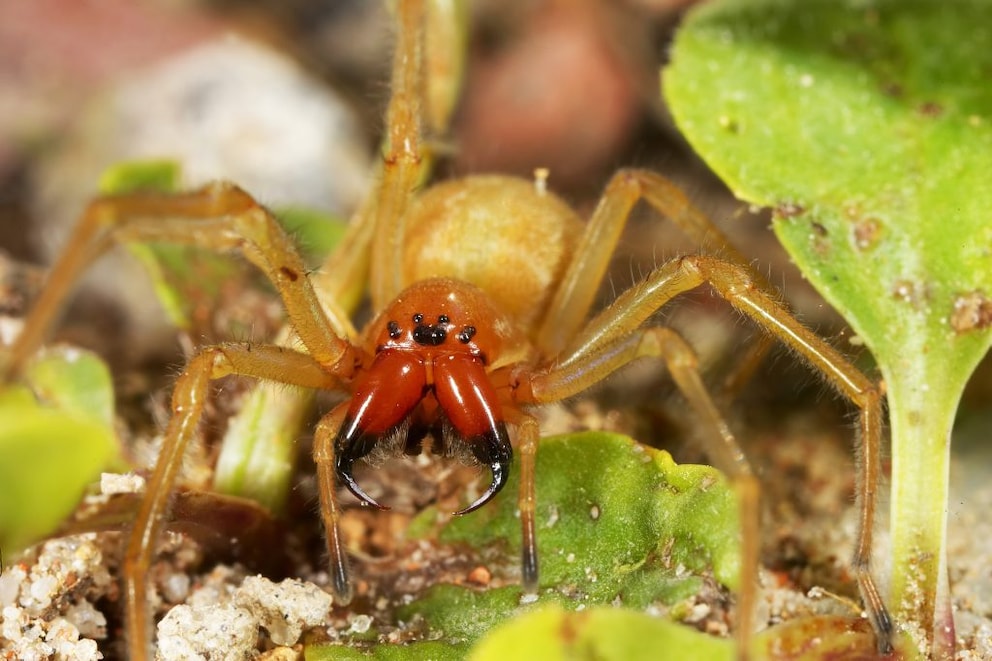
The Nurse Thornfinger is considered the most medically significant spider in Germany. It prefers to live in tall grass along roadsides, meadows, and embankments. If the spider feels threatened, it can bite and inject venom. This usually results in severe pain and swelling, and occasionally circulatory problems or fever. However, a bite is life-threatening to healthy individuals only in extremely rare cases.2
The Mighty Fishing Spider
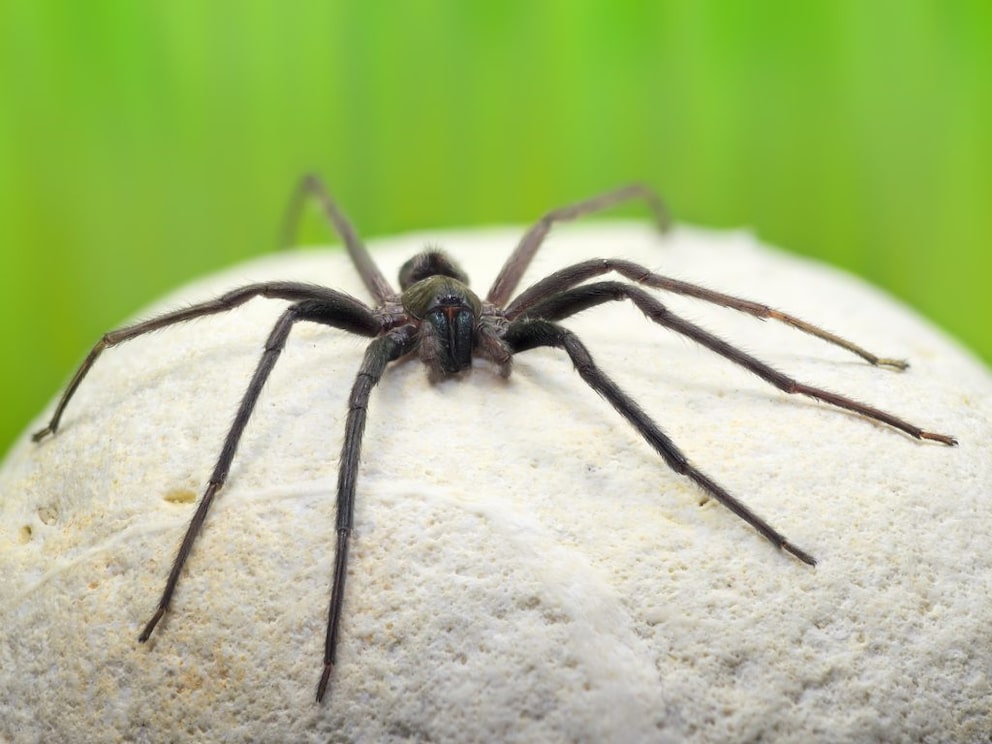
The Mighty Fishing Spider originally comes from the Mediterranean region and has so far been found only sporadically in Germany. It prefers to live in wall crevices and generally avoids humans. A bite can cause pain, swelling, or flu-like symptoms, but encounters are extremely rare.
The European Black Widow
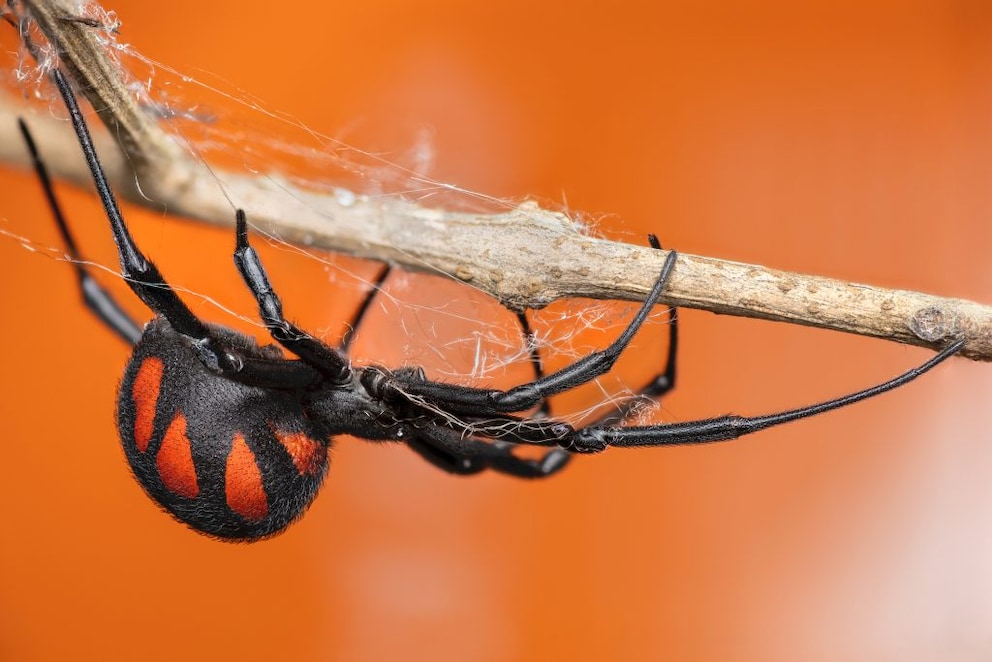
The European Black Widow is not yet permanently established in Germany. However, individual sightings are possible–such as through goods transport or spread from warmer regions. Its bite is considered one of the most dangerous among European spiders: The neurotoxin can cause severe pain, cramps, nausea, and in rare cases, breathing or heart problems. Anyone suspecting a Black Widow bite should seek medical attention immediately.34