

August 30, 2025, 2:13 pm | Read time: 5 minutes
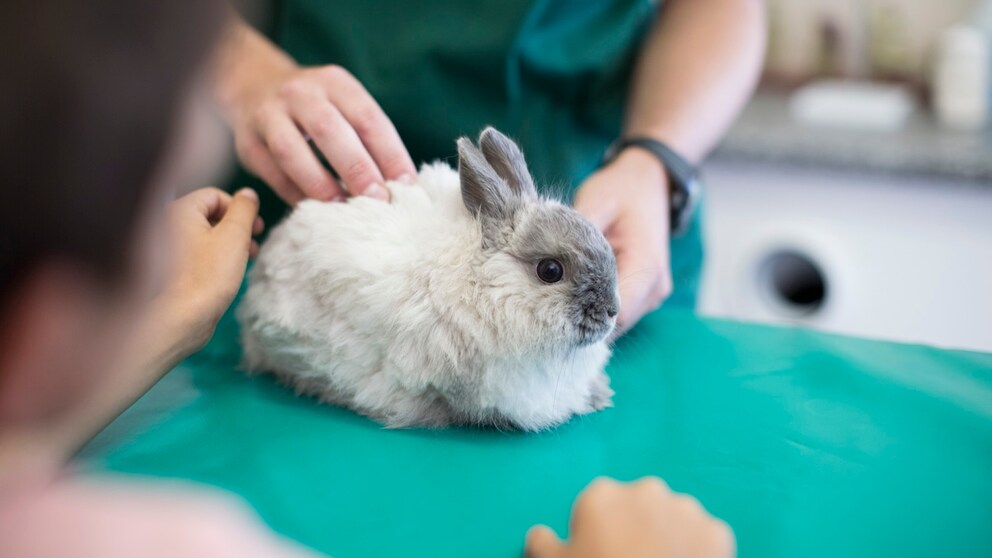
When taking a small pet to the vet, most people assume the vet is as knowledgeable about rabbits as they are about cats or dogs. However, this is not necessarily the case. Nowadays, there are veterinarians who specialize in treating small animals like rabbits. But what does a veterinary practice that calls itself “rabbit-friendly” look like, and what requirements must it meet?
Why a vet visit is particularly stressful for rabbits
A visit to the vet can be extremely stressful for rabbits, which are naturally prey animals. Strange smells, noises, and the presence of potential predators like dogs can unsettle and frighten them. It is all the more important to find a practice that understands and accommodates the special needs of these sensitive creatures.
One of the most important prerequisites for good rabbit care is the expertise of the team. A vet must not only be familiar with dogs and cats but also understand the unique anatomy and physiology of rabbits. This starts with their sensitive digestion, which can quickly shut down under stress, and extends to the specifics of anesthesia and pain management. Additionally, rabbits are very small, which makes it more challenging to interpret symptoms.
Is there a certificate for a rabbit-friendly veterinary practice?
Unlike practices designated as “cat-friendly,” there is no official seal for handling rabbits. There is no specific additional qualification in the traditional sense, certified by an official seal, for dealing with these animals. However, many dedicated veterinarians specialize in pets or so-called “exotics” like parrots or reptiles and continuously educate themselves in this field.
What characterizes a rabbit-friendly veterinary practice?
A veterinary practice specializing in small animals like rabbits focuses on the following points:
Separate waiting areas
Ideally, there is a separate, quiet area or at least a clear separation so that rabbits and predators like dogs do not have to wait in the same room. Covering the transport box with a cloth can also help reduce visual stimuli.
Quiet examination rooms
An examination room used only for small animals avoids the smells of dogs and cats, which can be alarming for rabbits.
Noise-reduced environment
A calm atmosphere without loud barking or hectic activity helps keep rabbits more relaxed.
Gentle handling and adapted methods
Rabbits are prey animals that cannot be easily restrained. Incorrect handling can lead to panic, injuries, or even life-threatening shock. A rabbit-friendly practice is characterized by the following features:
Gentle handling techniques
The practice team uses special, gentle techniques to hold the animal without frightening it or injuring its spine. The controversial scruffing technique is avoided.
Adjustment of treatment duration
The staff takes enough time to gently lift the rabbit out of the transport box and slowly approach the animal. An examination typically takes longer than for less sensitive animals.
Specific knowledge
The team is trained to recognize the subtle signs of pain or stress in rabbits.
Individual advice for rabbit owners
The care and feeding of rabbits are complex. A good practice understands this and actively involves the owners in the treatment. The vet not only asks about symptoms but also about the animal’s living conditions, such as:
- Diet: Does the rabbit get enough hay? Is it fed dry food that can cause digestive problems?
- Housing: Does the animal live alone or in a group? Is there enough space and activity options in the enclosure?
- Behavior: Are there any behavioral abnormalities in the rabbit that could indicate pain or stress, such as teeth grinding or apathy?

Finding a Veterinarian for Anxious Dogs–What to Consider

Why Children Should Never Simply Pick Up Puppies
How do I find a rabbit-friendly practice?
As an owner, you can specifically look for practices that emphasize their expertise in rabbit medicine. Often, such veterinarians are also members of relevant professional associations like the “Rabbit Working Group” and small animal section of the German Society for Small Mammals.
For a targeted search, the small mammal association lists specialized veterinarians on its website, where rabbit owners can find them. To ensure your rabbit experiences the vet visit as pleasantly as possible, you should choose a vet with a rabbit-friendly environment that reduces stress during the visit.
Conclusion: Is the visit worth it?
Unfortunately, there are no official seals and certificates for a “rabbit-friendly practice.” Small pet owners can ease their search for a rabbit-friendly veterinary practice by browsing specialized associations for listed veterinarians. The search is worthwhile because, for a sensitive animal that reacts to stress with health problems, a stress-free environment where it feels safe is invaluable.
The specialized knowledge of the staff can also help detect diseases earlier and apply the right treatment methods. If your rabbit is very robust and you are satisfied with your current vet, a specialized practice is not a must. However, if you have a nervous animal that panics during vet visits, finding a “rabbit-friendly” practice can make a significant difference. It’s best to inquire about the conditions on-site and the veterinarians’ specialties before the first visit.