

April 23, 2024, 4:24 am | Read time: 4 minutes
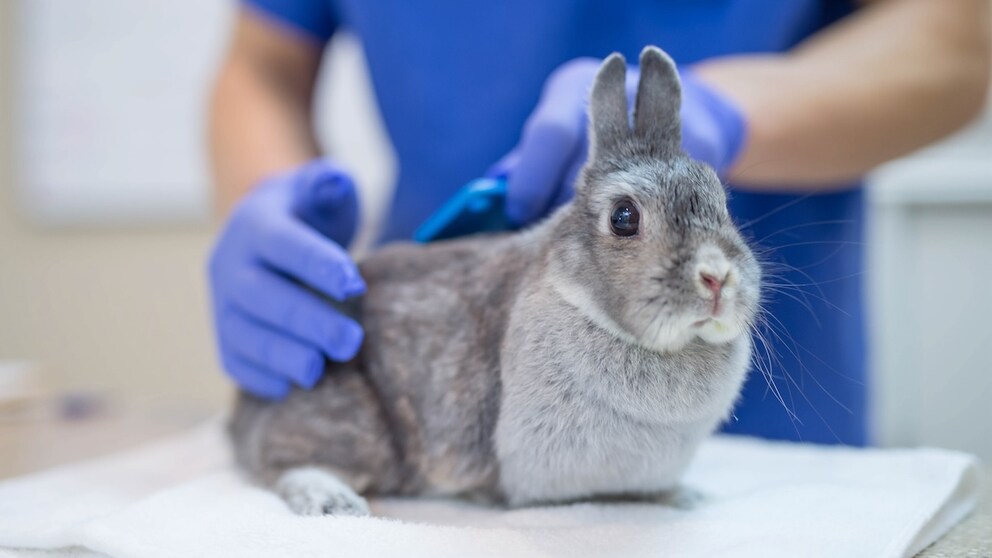
Rabbits are social animals. To provide these cute long-eared creatures with a suitable life, they must be kept in pairs at the very least. Popular arrangements include keeping a mixed-gender pair or a small group consisting of two females and one male. If you want to avoid unwanted offspring, you should have the male neutered. PETBOOK explains how this medical procedure works and what benefits it offers.
Animal welfare advocates see neutering the male as a necessary minor inconvenience to allow him a peaceful life among other rabbits. Neutering is not just a method of contraception—it also aims to reduce the male’s sexual drive, promoting harmony within the group. For this reason, the decision is usually made to neuter the male. If an unneutered male were to live with neutered females, there would be no offspring, but a lot of stress, as the male would harass the females. PETBOOK summarizes what else you need to know about rabbit neutering.
What Happens During Neutering?
Neutering makes the rabbit infertile by surgically removing the reproductive glands. This means: The male’s testicles are removed, and the female’s ovaries are taken out. This halts the production of sex hormones, affecting the animals’ behavior.
Does a Rabbit Become Calmer After Neutering?
Neutered males, in particular, tend to be less dominant, allowing for a more harmonious coexistence with their peers. They are also generally less aggressive toward their owners and are more willing to be touched than before the procedure.
What Are the Benefits of Neutering?
Neutering males also has health benefits. While unneutered male rabbits can develop inflammations and tumors in the testicles as they age, this risk is eliminated in neutered animals. Females can also benefit from neutering, as it reduces the risk of ovarian tumors and false pregnancies.1
Also interesting: What to Consider When Keeping Dwarf Rabbits
How Old Must a Rabbit Be to Be Neutered?
Veterinarians distinguish between neutering a sexually mature male and early neutering of a young animal. If the rabbit is to be neutered before reaching sexual maturity, it should be about eleven to twelve weeks old. Larger breeds may be slightly older at the time of surgery.
What Should I Consider After Neutering?
If an infertile rabbit is neutered, it can return to its peers immediately after the operation. If the male was already sexually mature, he can still father offspring for a few weeks after neutering, as sperm may remain in the sperm ducts. During this time, some veterinarians recommend separating the male from the females.2
However, this means significant stress for the rabbits. The social disruption can lead to loneliness, loss of appetite, and eventually complete alienation. Therefore, one should weigh whether to accept the slight risk of pregnancy even after neutering or separate the animals in a way that allows them to still see and smell each other.

Novel vaccination sterilizes dogs for a year – will it soon be in Germany, too?

Hormone Chip for Contraception in Dogs? What Experts Advise
How Much Does It Cost to Neuter a Rabbit?
Neutering a male costs about 100 to 170 euros. It is a relatively minor procedure that healthy animals usually handle well. In contrast, preventive neutering of a female can cost up to 300 euros, as this larger operation requires opening the abdominal wall. This also means that the risk of wound healing disorders or other complications is higher in the neutering of the female.3
Conclusion
The question of whether a rabbit needs to be neutered cannot be answered universally. It is the responsibility of each rabbit owner to decide which animals in the group should be neutered. Veterinarians knowledgeable about rabbits are a good resource for answering questions and making the right decision in terms of animal welfare.