

September 18, 2026, 12:08 pm | Read time: 4 minutes
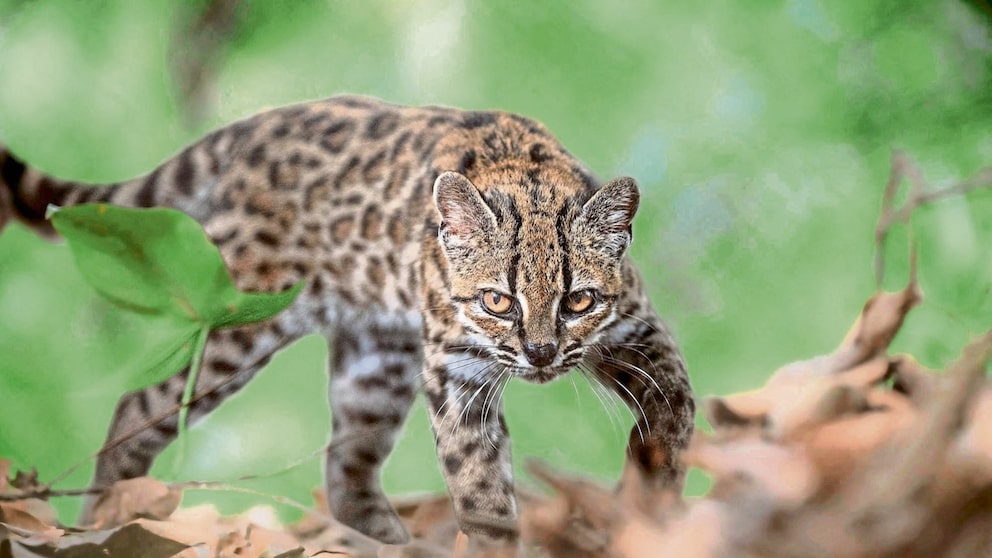
It is smaller than many house cats, sports a spotted coat, and lives hidden in the cloud forests of Bolivia: the Tilcayo cat. For a long time, researchers thought it was a member of a known group of South American tiger cats, but extensive genetic analysis revealed it to be a distinct species. This marks the first time in over 100 years that a new living cat species has been scientifically identified and described: Leopardus tilcayo. PETBOOK explains how this wildcat remained undetected for so long and why its discovery is important for species conservation.
Only DNA Revealed the New Cat Species
South American tiger cats often look so similar that they are difficult to distinguish by appearance alone. An international research team therefore examined the DNA of a total of 38 cats from the Leopardus genus. This included 26 animals from the tiger cat group and eight historical museum specimens.1
The comparison showed that the similar-looking tiger cats belong to five different species. One of these had not previously been recognized as a separate species: the Tilcayo cat from Bolivia, now scientifically named Leopardus tilcayo. Genome analysis suggests that the evolutionary line of the Tilcayo cat diverged from other tiger cats about 1.43 million years ago.
The Origin of the Name Tilcayo
The new cat species lives in the moist mountain forests of Bolivia, often shrouded in clouds. In the region, locals call the wildcat “Tilcayo,” which is why researchers adopted the name for the species. The scientific description was based on DNA analyses and the animals’ physical characteristics. One of the examined males was found near the town of Arapata in 2021 and subsequently lived under human care.
What the New Wildcat Looks Like
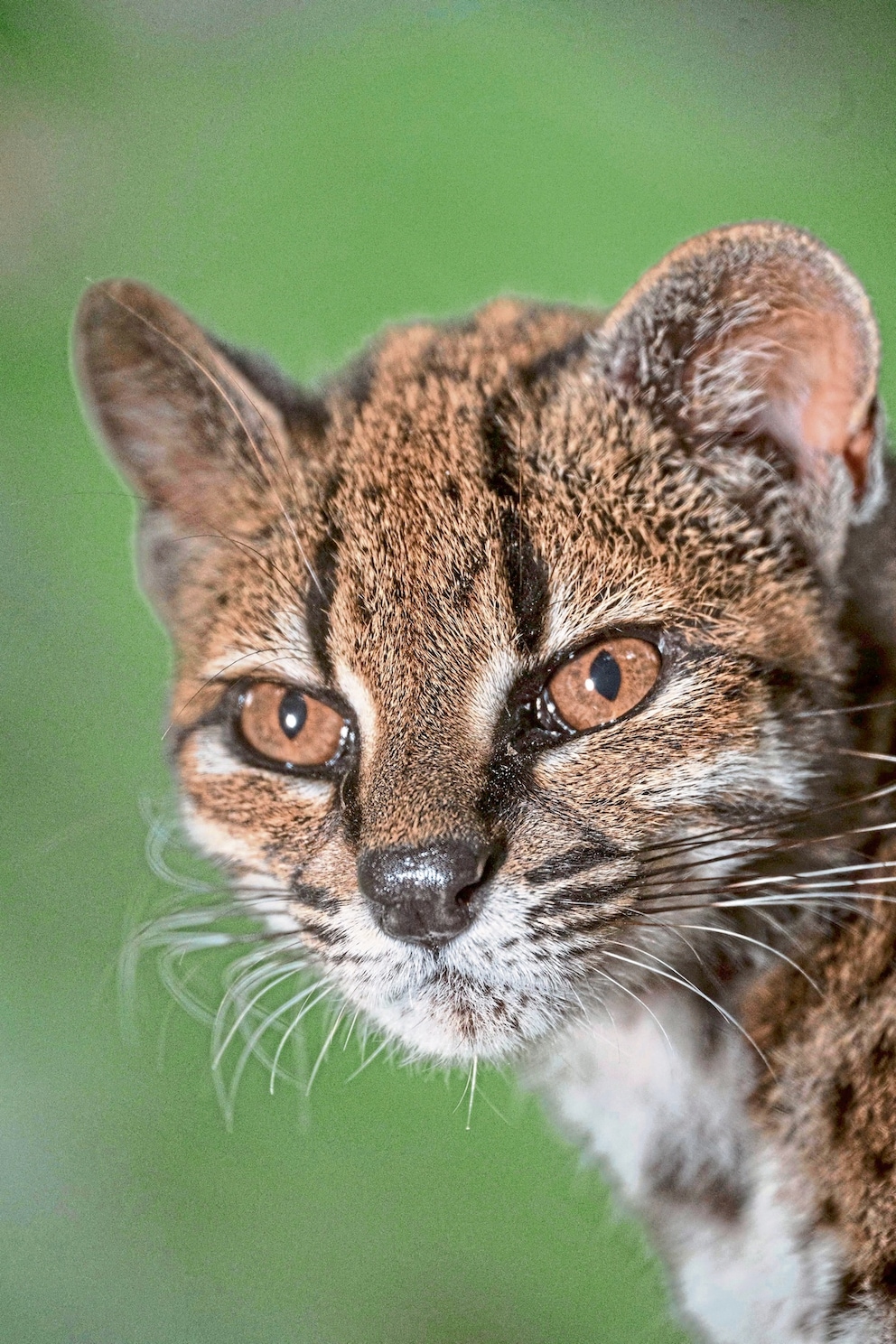
Leopardus tilcayo is about as long as a house cat but significantly lighter at around 1.4 kilograms. Its head-to-body length ranges from 42.5 to 50.5 centimeters, and its tail is about 25 to 26.5 centimeters long. The coat is light brown and slightly darker on the back. Notable are the relatively large, irregular dark brown to black rosettes on the fur.
The new species differs from related tiger cats in part by the pattern of its coat, the length of its fur, and the texture of its tail. For example, compared to Leopardus pardinoides, it has shorter fur, less contrasting patterns, and a less bushy tail.

A New Small Cat Species Discovered in the Rainforest

Leopard or Jaguar? How to Tell the Spotted Wild Cats Apart
Little Is Known About Its Lifestyle
Although the Tilcayo cat has now been described as a distinct species, researchers still know little about its lifestyle. The available information comes from two studied living animals and a few camera trap recordings. Collected fecal samples only allowed inferences about its diet, which included remnants of small rodents. Camera trap footage also suggests that the cats might be more active at night than during the day.
Discovery Is Crucial for Species Conservation
Recognizing the Tilcayo cat as a distinct species is particularly important for its protection. When multiple species are grouped under a single name, it may go unnoticed how few individuals of a single species actually remain. Only through precise classification can we assess how endangered the Tilcayo cat is and what conservation measures it needs. So far, it has not been independently evaluated on the International Union for Conservation of Nature’s IUCN Red List.
Its habitat in the Bolivian mountain forests is threatened by deforestation, agriculture, fires, and mining. To preserve the Tilcayo cat, the remaining forests and the connections between its habitats must be protected. The discovery also highlights how little is known about even seemingly well-studied animal groups. Only the examination of its DNA revealed that the small wildcat is a distinct species.