


January 7, 2026, 4:08 pm | Read time: 4 minutes
The sudden death of the dressage horse Diallo has shaken the equestrian community. A Borna virus was initially considered a possible cause, but this was ultimately not confirmed. PETBOOK explains how horses become infected with the Borna virus, which symptoms should be taken seriously, and why prevention is currently only possible to a limited extent.
How the Borna Virus Damages the Nervous System
The central nervous system in horses controls movement, balance, perception, and behavior. The brain and spinal cord ensure the animal can walk safely, eat, and orient itself. In Borna disease, the Borna disease virus (BoDV) attacks this very system. The virus travels along nerve pathways to the brain, where it triggers inflammation.
This causes the nerve cells to function increasingly poorly. The horse moves unsteadily, appears disoriented, and exhibits significant behavioral changes. Since damaged nerve tissue does not recover, symptoms continue to worsen over time.1, 2
How Horses Become Infected with the Borna Virus
The Borna virus is also known as Borna disease. The field shrew is considered a natural carrier. It can harbor the virus without becoming ill itself, shedding the pathogen through saliva, urine, feces, and other bodily fluids.
Horses do not become infected directly from other horses. Instead, infection usually occurs through contaminated hay or straw. Fine hay dust can contain virus particles that are inhaled through the nose. Small injuries to the mucous membranes can also facilitate the virus’s entry into the body.
After entering the body, the virus travels along nerve pathways to the brain, where it begins to multiply and trigger typical inflammation. Transmission from horse to horse does not occur, as horses cannot shed the virus.3
Symptoms Horse Owners Should Take Seriously
The Borna virus typically develops slowly. Between infection and the first signs, two to six months often pass, making it difficult to pinpoint the exact time of infection. Nevertheless, symptoms can be roughly divided into three stages.
Early Warning Signs
Initially, the horse often appears tired and apathetic. The animals may develop a fever and a noticeably reduced appetite, which can be accompanied by colic symptoms. A typical sign is impaired chewing: the horse chews uncoordinatedly, and hay falls from its mouth. This symptom is referred to as “pipe smoking.” Additionally, problems with urination and increased sensitivity to touch in the head area may be observed.
Advanced Symptoms
As the disease progresses, neurological disorders become more prominent. The horse’s head is often lowered, its balance is impaired, and its gait appears stiff and unsteady. Many horses stand with their legs wide apart, described as a sawhorse stance.
They frequently exhibit compulsive movements, such as circling or pressing their heads against solid objects. Disorientation, vision problems up to blindness, and significant behavioral changes like apathy or depression are also possible.
Life-Threatening Symptoms
In the final stage, the condition deteriorates rapidly. The animals repeatedly collapse and eventually cannot stand up on their own. The disease is fatal in most cases, with about 96 percent of clinically affected horses not surviving. In rare cases, surviving animals may suffer from severe and permanent behavioral disorders.
Why Diagnosis Is So Difficult
The Borna virus can initially only be suspected based on visible symptoms. The reason: Other nervous system diseases can cause similar signs. A definitive diagnosis is only possible through specialized laboratory tests.
Direct detection of the virus in the blood is generally not possible, as the Borna virus resides almost exclusively in the brain and spinal cord. Instead, veterinarians look for antibodies against the virus in blood serum and cerebrospinal fluid.

How Horner’s Syndrome Manifests in Cats
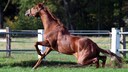
Wobbler syndrome – why horses occasionally stumble on their hind legs
How Is the Borna Virus Treated?
There is currently no targeted treatment for the disease. Until the diagnosis is confirmed, affected horses primarily receive supportive therapy, provided no other neurological diseases are considered. If the Borna virus is definitively diagnosed, veterinarians often recommend euthanasia due to the poor prognosis. Effective antiviral medications are not available for horses at this time.
Can You Protect Your Horse from the Borna Virus?
Not only is the course of the disease treacherous, but prevention is also challenging. There is currently no vaccine against the Borna virus. Horse owners can only be more vigilant about the presence of shrews in stables and adhere to additional hygiene measures. This includes keeping feed and bedding dry and clean.
Since field shrews are protected by law, they cannot be targeted for eradication. Therefore, consistent hygiene management in the stable is crucial to minimize the risk of infection.