

June 23, 2026, 11:03 am | Read time: 4 minutes
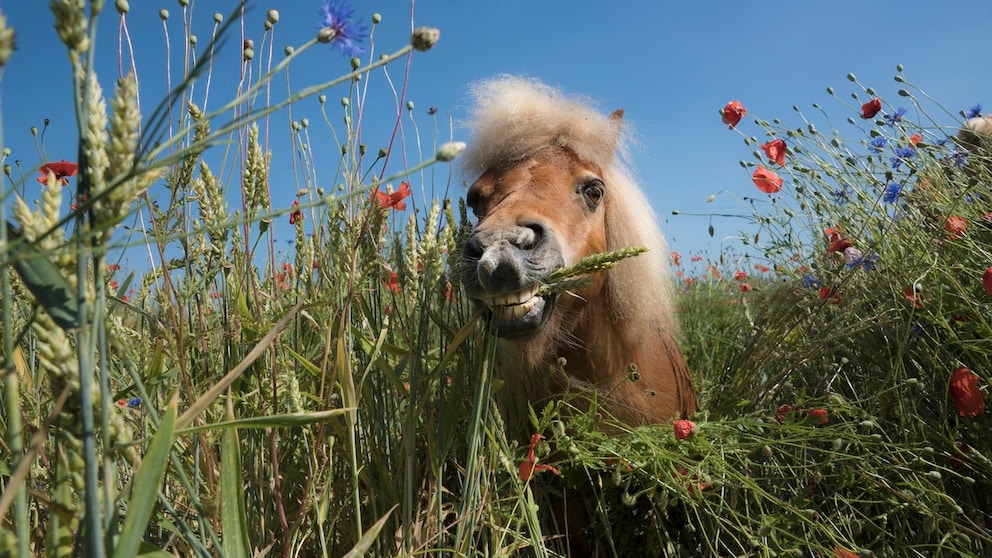
Horses don’t just eat grass in the pasture. Among the blades, plants can grow that cause severe poisoning and, in the worst case, can even be fatal. PETBOOK reveals which pasture plants are toxic for horses and how owners can recognize them.
Toxic Pasture Plants for Horses: An Overview
The right feed, a good veterinarian, regular exercise, and contact with other horses and humans: The list of what horses need for a long and healthy life is extensive. But even if horse owners or those with a riding share put great effort into these points, it is all for naught if toxic plants are present in the horse paddock. These can lead to serious illnesses or even death after consumption. Therefore, special caution is always required. The wrong plant can be eaten faster than one might think.
There are many types of plants that can be toxic to horses. Toxicity can vary depending on the plant and amount, but it is important to know which plants grow in the pasture and which should be removed. Here are some of the best-known toxic pasture plants.1 2
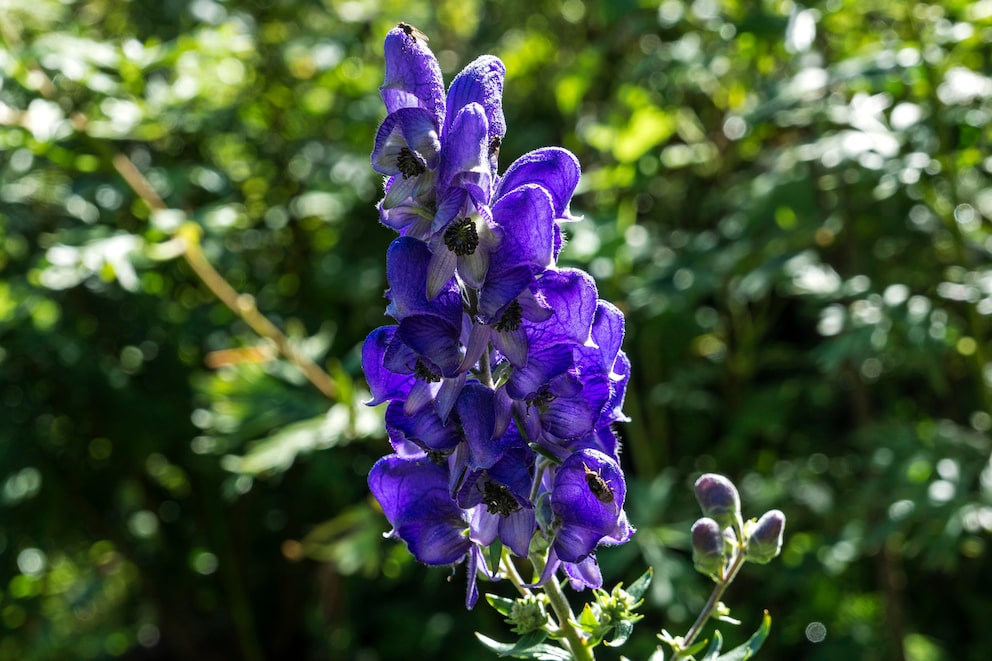
Monkshood (Aconitum)
Also known as wolfsbane or blue monkshood, this plant is extremely toxic to horses. Even small amounts can lead to severe poisoning symptoms.
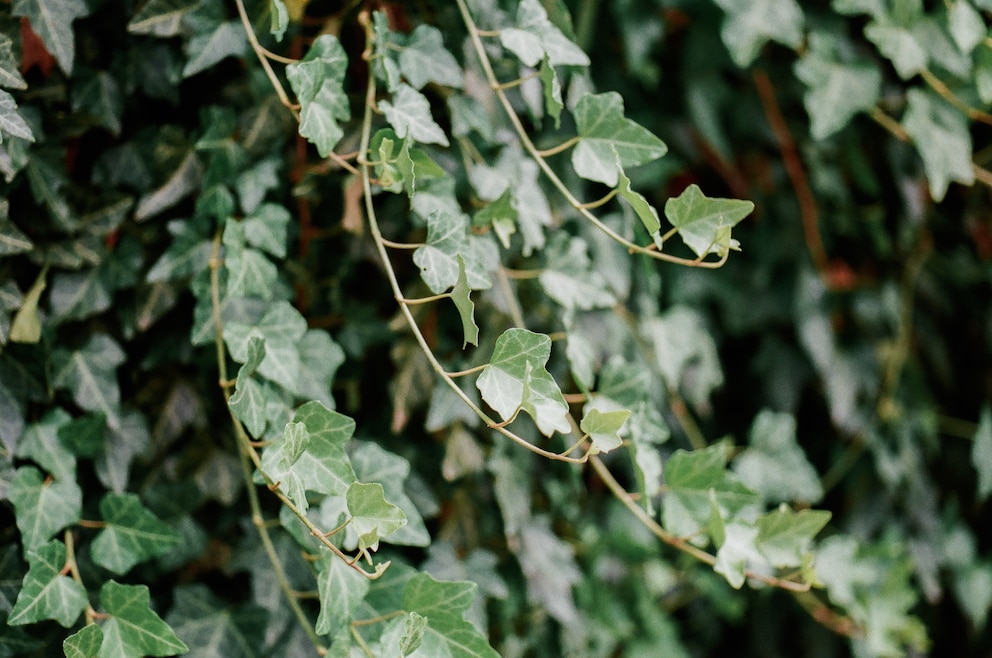
Ivy (Hedera helix)
Ivy is toxic not only to horses but also to other animals. Consumption can cause gastrointestinal issues, respiratory problems, and neurological issues.
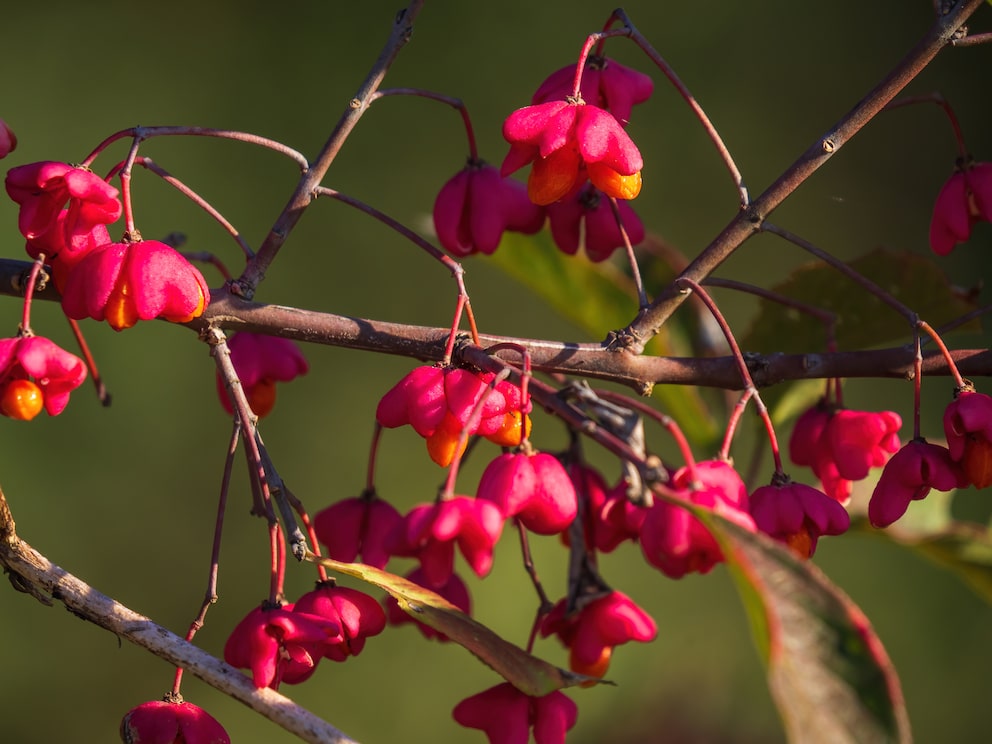
Spindle Trees (Euonymus)
The parts of these shrubs contain substances that can lead to heart problems and colic in horses.
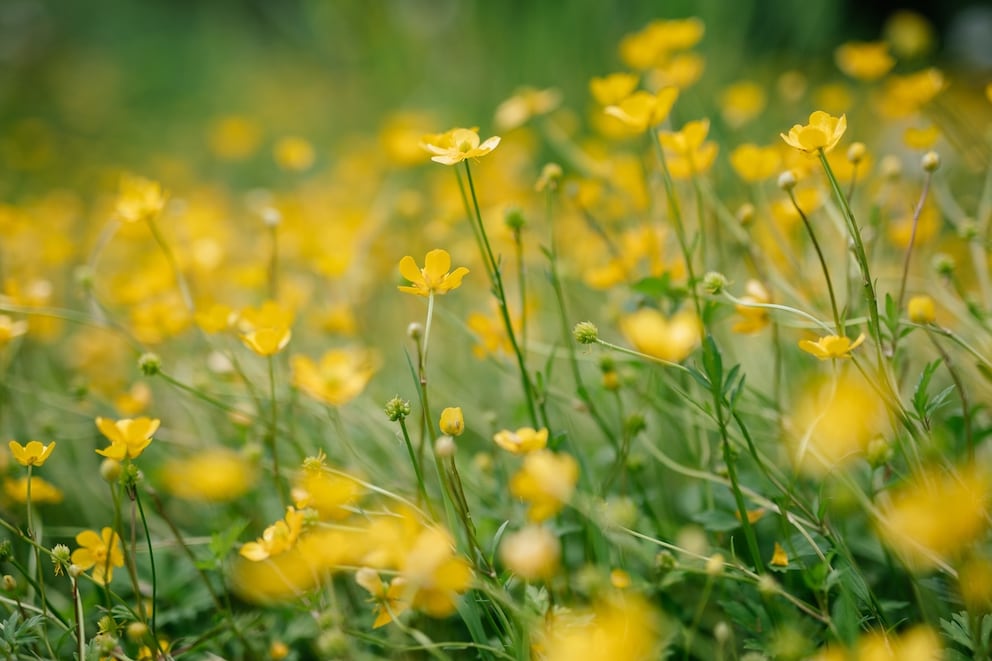
Buttercup (Ranunculus)
Buttercups, also known as crowfoot, are found in many pastures but are toxic to horses. Consumption can lead to gastrointestinal irritation and problems.
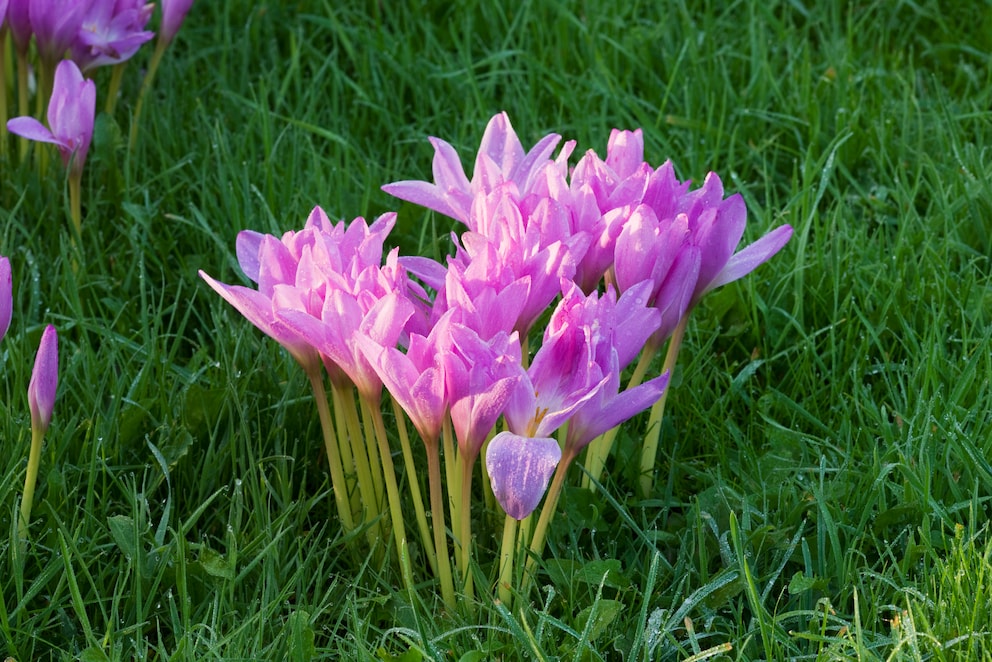
Autumn Crocus (Colchicum autumnale)
This plant contains the toxic alkaloid colchicine, which can cause respiratory issues, colic, and heart problems in horses.
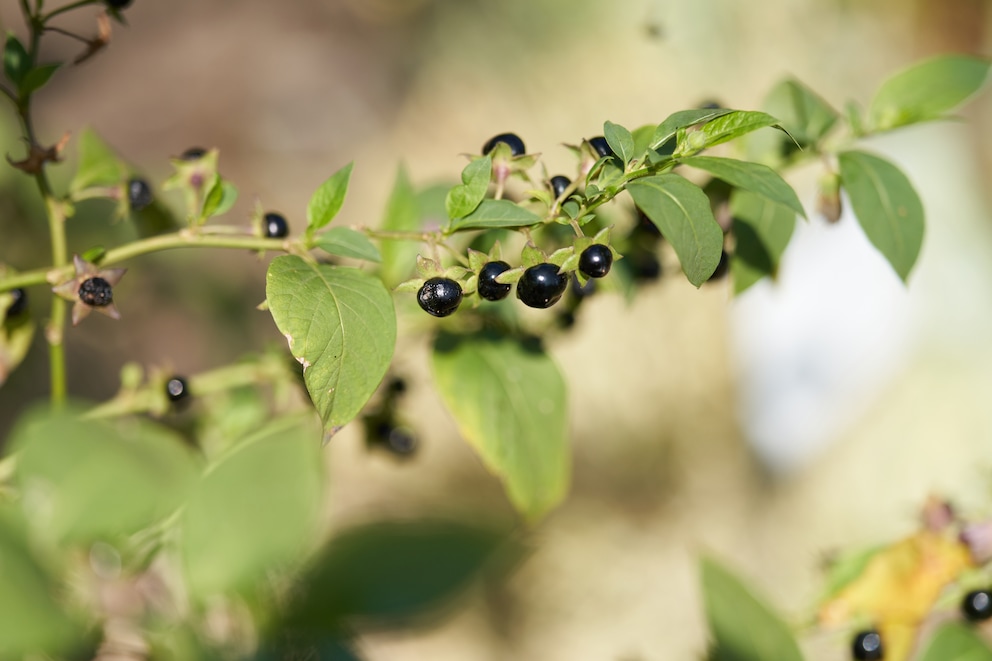
Deadly Nightshade (Atropa belladonna)
Deadly nightshade is extremely toxic and can lead to severe neurological symptoms in horses.
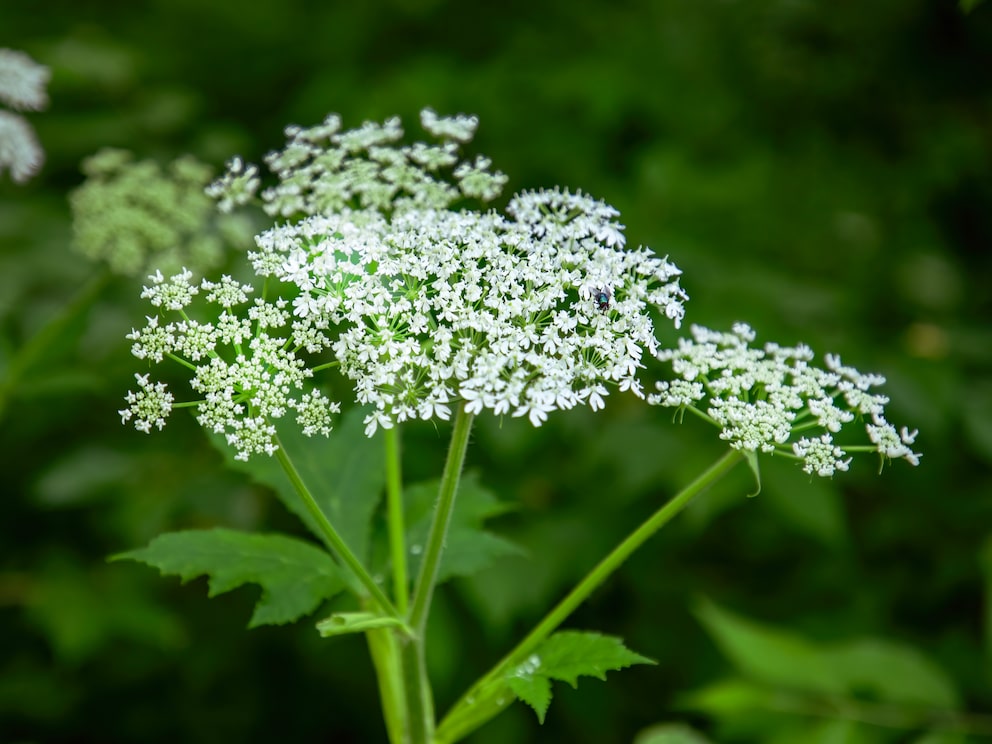
Common Hogweed (Heracleum sphondylium)
The sap of this plant can cause skin irritation, especially if the skin is subsequently exposed to sunlight.
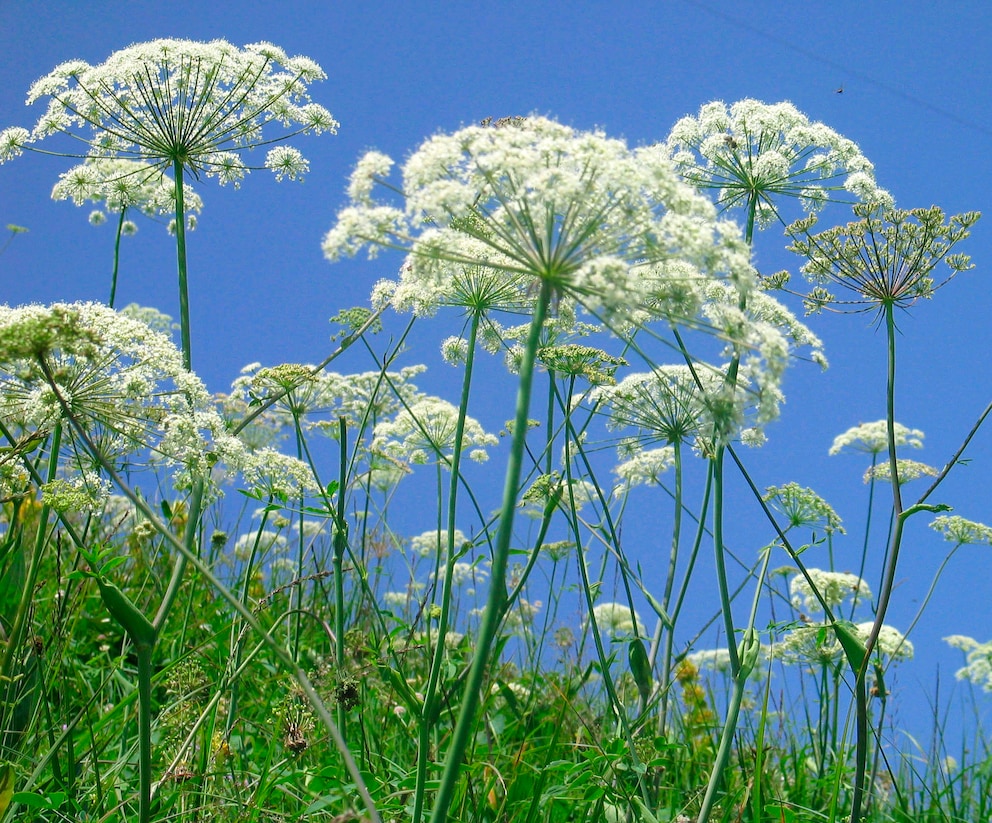
Poison Hemlock (Conium maculatum)
Poison hemlock is extremely toxic and can cause respiratory issues, seizures, and death in horses.
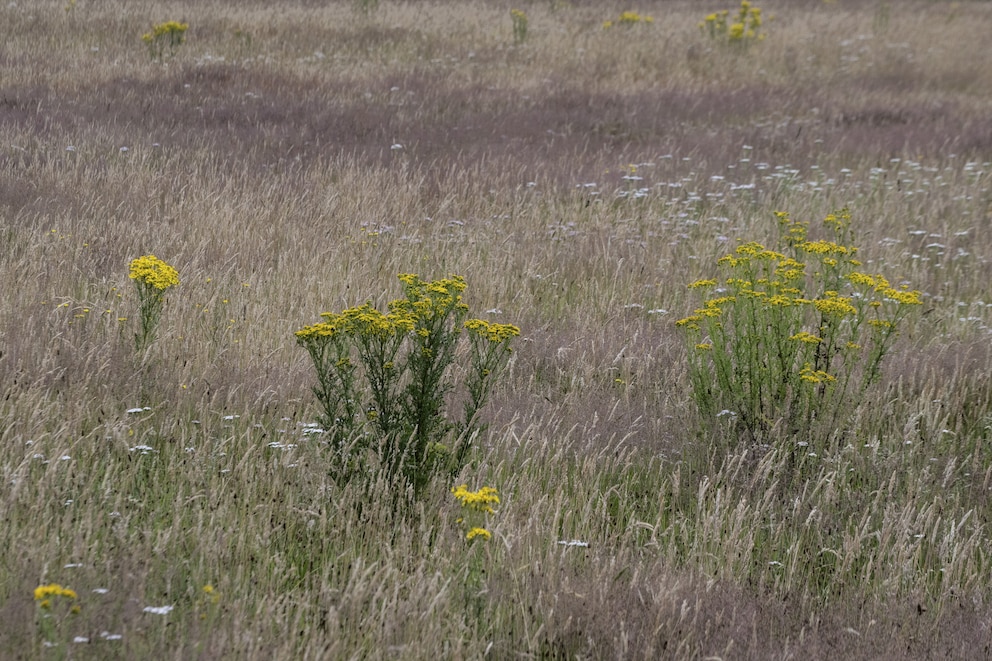
Ragwort (Jacobaea vulgaris)
This plant is often found in pastures and frequently leads to poisoning. It can cause liver damage, colic, severe weight loss, and apathy.

Can Dogs Eat Bell Peppers?
Often Underestimated: These Dangers Lurk for Cats in the Garden
How to Recognize Toxic Pasture Plants
Knowing the plants in your pasture can prevent accidental consumption by your horse.
- Know what’s growing: What plants grow in the pasture during which season? Familiarize yourself with the locally common toxic plants.
- Observation: Especially in spring and summer, at the start of the growth and flowering period, regularly check your pasture for the presence of unusual or suspicious plants.
- Identification books and apps: There are identification books and mobile apps that can help identify plants in the pasture. With an uploaded photo, plant apps can usually accurately determine the plant and its toxicity.
- Consultation with experts: If you are unsure whether a plant is toxic, consult a specialist, such as a plant expert. They can walk the pasture with you and check for toxic plants.
What to Do if Toxic Plants Grow in the Pasture
The first action should always be to remove the plant in question. However, sometimes these are so widespread or keep sprouting that they continue to pose a threat to the horses. In this case, the only solution is to fence off the affected area of the pasture and extensively dig up the soil. Now the plants can be removed along with the roots.
It is also important to prevent toxic plants from spreading further in the pasture through their seeds. If toxic plants grow near the pasture edge, they should also be removed before they bloom.
Other riders and stable helpers should also be informed about the presence of toxic plants and know what they look like.