


April 1, 2026, 9:28 am | Read time: 3 minutes
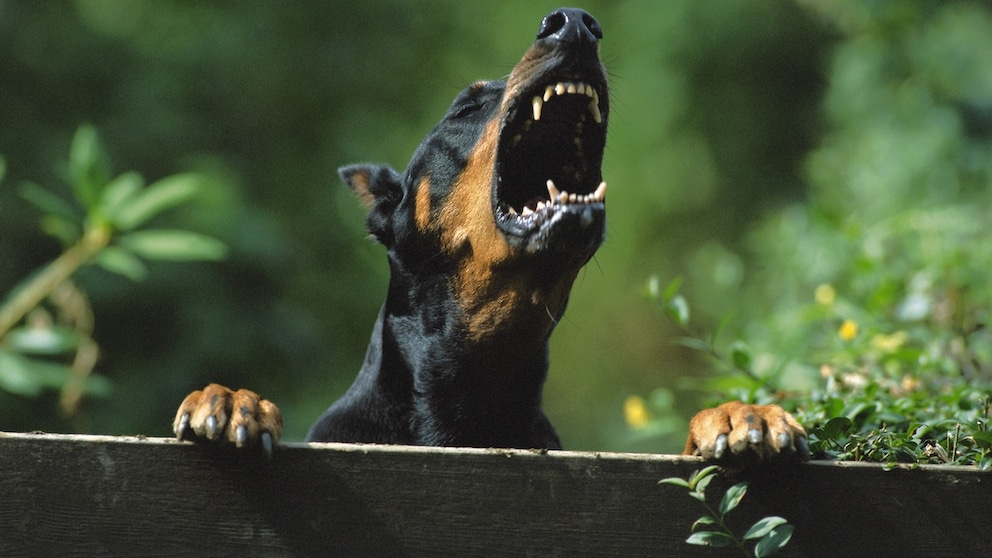
Dogs barking at the garden fence don’t only annoy the neighbors. Dog owners who have to pass by with their pets often feel disturbed as well. But what is behind this behavior? Dog trainer Katharina Marioth explains the causes and offers specific tips for solutions.
It’s actually quite natural for dogs to loudly announce visitors on their own property. Many people keep a dog for this very reason—to guard the property. But when the dog stands at the fence barking every day as people or animals pass by, it becomes a problem.
When the Fence Becomes a Stage
It all usually starts harmlessly: Puppies rarely show this behavior at first. But with the onset of territorial behavior around the sixth or seventh month, this changes abruptly.
“Barking at the fence is a self-rewarding behavior for many dogs,” explains dog trainer Katharina Marioth. “The dog sees a stimulus, barks—and the stimulus moves away. This creates a quick learning effect.” It sounds harmless, but it can become a real stress factor over time—for owners, neighbors, and the dog itself.
Prevention Is the Best Protection
The goal: Prevent the behavior from developing in the first place. Especially with young dogs, simple management can help prevent it:
- Install privacy screens: Make stimuli invisible from the start.
- Divide the garden smartly: Make only safe, quieter areas accessible.
- Observe and intervene early: Do not let initial barking attempts go unchecked.
“You should be aware that you can’t always be there to control the behavior,” says Marioth. “That’s why a well-thought-out garden layout is worth its weight in gold.”
Also interesting: The Neighbor’s Dog Barks Constantly? Here’s What You Can Do
Between Safety and Danger
Many people find the barking useful—after all, the dog is “guarding” the property. But Marioth warns against a false sense of security: “It becomes problematic if the dog jumps the fence or cannot be controlled in an emergency.”
What if the police or paramedics urgently need access to the property—but the dog won’t respond to commands? “Dogs should have learned at home: I can rely on my humans—even when strangers are present.”

Help, My Dog Barks at People! Dog Trainer Offers Advice

Expert Warns: “I Consider Anti-Bark Collars a Concern for Animal Welfare”
What to Do if the Dog Is Already Barking?
If the behavior is already established, consistent retraining helps:
- Prevent access: The dog should not be able to reach the fence for an extended period.
- Avoid mistakes: Many call the dog back when it barks and then reward it for returning. This reinforces the wrong behavior chain “bark, recall, treat,” according to the expert.
- Training with patience: Ask neighbors or friends to stop during encounters—the dog learns that calmness leads to success.
Conclusion: Calm Instead of Territorial Battles
A dog barking at the fence is not a matter of disobedience but a learned behavior. Those who intervene early and counteract it specifically create a more relaxed coexistence—in the garden and the neighborhood.

About the Expert
Katharina Marioth is the founder of the Stadthundetraining brand and the KEML principle. She is a certified dog trainer and behavioral assessor for dangerous dogs in Berlin. In her daily work, she collaborates closely with veterinarians, scientists, and other specialists on dog-related topics. With her knowledge and skills, she secured the title of Dog Trainer of the Year 2023 on the Sat.1 show “The Dog Trainer Champion.”