

May 26, 2026, 2:56 pm | Read time: 5 minutes
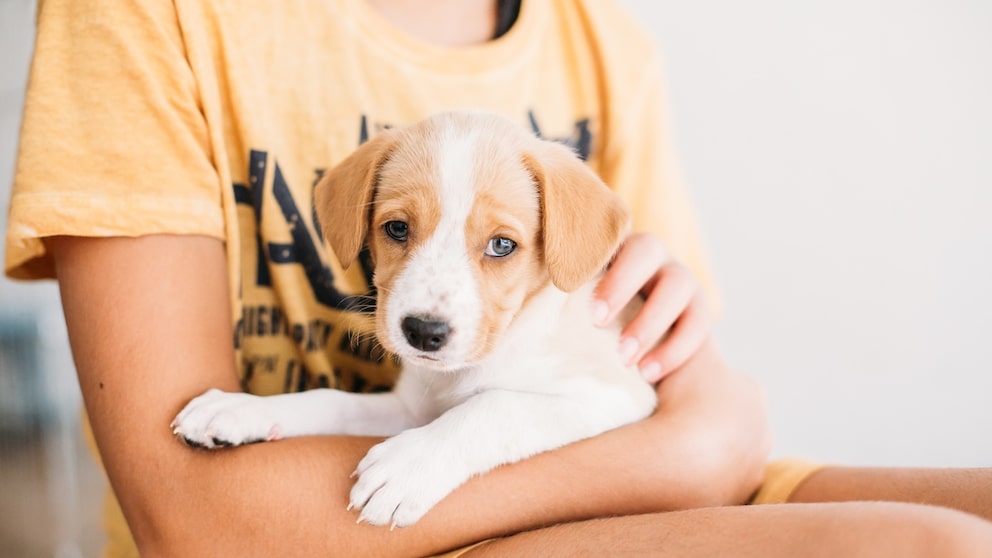
A small puppy clumsily running through the living room or a rabbit curiously peeking out of its hutch–many children want to pick up, hug, and carry puppies and small animals right away. This is understandable, but it can quickly become dangerous for the animals. Young dogs and small animals are sensitive, easily startled, and can be seriously injured if they fall.
Why Lifting Animals Is Problematic
For many animals, being lifted means one thing: loss of control. They lose the ground under their paws and cannot decide where to go. Small animals like rabbits or guinea pigs often find this threatening. In nature, they usually lose contact with the ground only when grabbed by a predator.1
Puppies can also be startled when suddenly grabbed from above. They squirm, wriggle, or try to jump down. This is when many accidents happen.
Injury Risk for Puppies
Puppies may seem robust, but they are still growing. Their bones, joints, and ligaments are sensitive. Lifting them incorrectly, such as by the front legs, under the armpits, by the neck, or even by the tail, can cause pain and lead to injuries. Possible injuries include strains, sprains, bruises, or, in the worst case, fractures and damage to joints or the spine. Young dogs of small breeds are particularly vulnerable.
It is especially risky if a child cannot hold the puppy securely. A squirming puppy can quickly slip from their arms. Even a fall from the sofa, from an arm, or from standing can be dangerous for young dogs and cause serious injuries.
Children usually mean well when they want to pick up a puppy. However, for the dog, it can quickly become overwhelming. Puppies need sleep, retreat, and the opportunity to initiate contact themselves. A puppy should not be constantly carried around. It is not a stuffed animal. If it is sleeping, eating, chewing on a toy, or retreating, it should be left alone.
How to Properly Lift a Puppy
If a puppy needs to be lifted, it should be done calmly and securely. It’s best to crouch down, speak to the puppy gently, and avoid suddenly grabbing it from above.2
One hand should support the chest area directly behind the front legs, while the other hand holds the rear. Then, bring the puppy close to your body. This makes it feel more secure and less likely to slip away.
When setting the puppy down, always guide it to the ground in a controlled manner. It should not be allowed to jump from your arms.
Especially younger children should not lift puppies on their own. They often lack the strength, calmness, and body control to hold a squirming animal securely. It’s better if the child sits on the floor and the puppy is placed on their lap—under adult supervision. This way, the child can experience closeness without the puppy falling or feeling pressured.
Small Animals Are Particularly Sensitive
With rabbits, guinea pigs, and other small animals, special caution is required. Many of these animals generally do not like being lifted or carried. They react with a fear response or frantic escape movements.
Rabbits can be seriously injured by kicking or being dropped, such as through fractures, spinal injuries, or damage to joints and hind legs. In severe cases, animals may even need to be euthanized after a fall. Guinea pigs are also very sensitive. Even a fall from a low height can lead to fractures or internal injuries.3

Proper Handling of Small Animals
Small animals should only be picked up when absolutely necessary—such as for a vet visit, a health check, or moving them to a transport box. For petting, it’s better to sit on the floor with them. It’s helpful to lure animals into a transport box voluntarily, for example, with food. This is often less stressful and safer than catching and lifting them.
Small animals should always be lifted with both hands, ensuring that the chest, belly, and rear are securely supported. It’s best to hold them close to your body and lift them calmly and slowly so they don’t get startled or struggle. Never lift them by the ears, legs, neck fur, or other individual body parts. This is painful and can even be considered animal cruelty.

How to get rabbits and guinea pigs accustomed to people

Are Tortoises Suitable Pets for Children?
What Parents Need to Know
Parents should explain to children from the start that animals have their own needs. An animal should not be simply grabbed, held, carried around, or pressured during play.
Important rules include:
- Never leave children and animals unsupervised.
- Do not disturb sleeping or eating animals.
- Do not chase, hold, or pressure animals.
- Pet only calmly and gently.
- Lifting should only be done by adults or under direct supervision.
Even if an animal remains still, it does not automatically mean it is relaxed. Some animals freeze in fear.
Closeness Without Lifting
Children can build a lovely relationship with animals without lifting them. They can sit on the floor, offer treats, help with feeding, provide toys, or practice gentle petting.4
This way, puppies learn that children are pleasant, predictable, and safe. This is much more valuable than forced cuddling moments with the risk of falling.