

January 21, 2026, 12:03 pm | Read time: 4 minutes
The Toy Poodle charms with its friendly nature, cute appearance, and small size. However, many animal rights activists are not fans of the smallest member of the poodle breed. They believe it meets the criteria for unethical breeding practices.
It is tiny, fluffy, and at first glance, simply adorable: the Toy Poodle. But this miniature version of the poodle not only has fans swooning but also animal rights activists concerned. The accusation: breeding for cuteness with health consequences.
Origin
The Toy Poodle is not only the smallest but also the newest member of the poodle breed. It was bred in the 1980s in Great Britain from miniature and dwarf poodles. Since then, the miniature poodle has gained worldwide popularity and is considered by many to be the perfect family dog.
This delicate little dog with curly fur is by far smaller and more delicate than its direct relatives, the standard poodle, miniature poodle, and dwarf poodle. While many find this particularly cute, animal rights activists see this as a criterion of breeding cruelty.
To breed a poodle in this mini format, breeders use particularly small parent animals—the smallest of the miniature and dwarf poodles. It is alleged that particularly weak animals are often crossed in, which can lead to health problems in the offspring—at least that’s the accusation.
Appearance & Coat
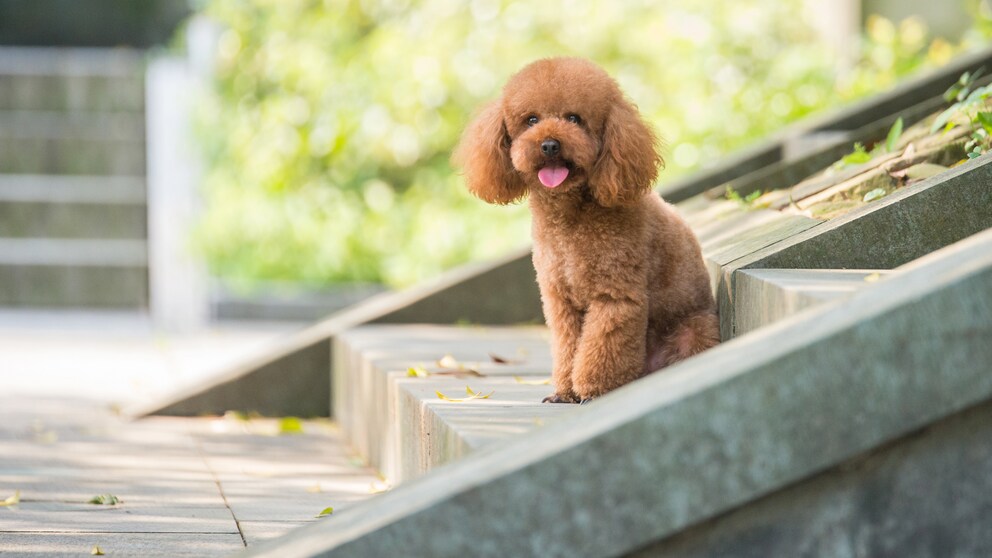
With a height of 25–28 cm and an average weight of 2–4 kg, the “Toy” variant is a poodle in mini format, appreciated by many for its cuteness factor. The narrow snout, almond-shaped eyes, and heavily furred, floppy ears add to its charm. The square body is muscular and slender, covered by its curly coat, which, according to breed standards, is solid-colored.
Nevertheless, this little four-legged friend comes in many possible colors: black, brown, dark gray, silver gray, apricot, and white. Of course, there are also dogs that are black and white spotted or have the “Black-and-Tan” color pattern. Because poodles hardly shed, they are considered hypoallergenic. Fans of this breed also appreciate the Toy Poodle’s typical light and prancing gait.
Character & Temperament
Don’t be fooled by the sweet appearance and mini size, as beneath the fluffy coat lies a full-fledged dog with a big personality and needs. Overall, the Toy Poodle is considered very lively, charming, and playful. It forms a particularly close bond with its human and does everything to please them. Due to its sensitive nature, it can read its human’s mood well and has a keen sense for their feelings.
Loneliness is absolutely not the Toy Poodle’s thing, so it tends to bark nervously if left alone. It also often tends to be nervous and anxious, especially in new situations. However, due to its high intelligence, this four-legged friend can be very well trained, and tricks are a welcome change that it can easily learn.
Proper Care & Maintenance
The Toy Poodle is anything but a lazy lapdog or fashion accessory. It likes to move extensively and be mentally and physically stimulated and challenged. Therefore, owners should provide a lot of variety to prevent boredom. A size-appropriate agility course can be a good activity.
Its curly coat is quite high-maintenance. Since its hair, unlike other breeds, does not fall out but continues to grow, it should be combed several times a week with a soft brush to remove tangles and prevent matting. Additionally, the coat should be professionally trimmed every two months. This is necessary, among other things, to ensure that the Toy Poodle can see what’s happening around it and maintain full visibility.
Nutrition
A protein-rich diet is particularly important for the Toy Poodle. The food should therefore contain a particularly high meat content. About one-third fruit and vegetable content is allowed to meet vitamin and mineral needs, but grain or sugar additives would do more harm than good. Even though the mini poodle needs a lot of exercise, owners should definitely keep an eye on its weight and watch for signs of obesity. When it comes to dry food, the kibble size should be suitable for small dogs.

Why you shouldn’t buy Teacup dogs

The Miniature Poodle Is Much More Than a Family Pet
Susceptibility to Certain Diseases
Toy Poodles from reputable breeders are considered quite robust animals. Nevertheless, due to the targeted breeding to achieve extreme smallness in the Toy Poodle, certain hereditary diseases are more common: These include knee problems like patellar luxation, as well as tracheal collapse. Additionally, Toy Poodles are more prone to epilepsy, heart defects, and eye diseases such as cataracts or glaucoma.
The Toy Poodle at a Glance
- Character: lively, charming, and playful
- Size: up to 28 cm
- Weight: 2–4 kg
- Coat: soft and curly
- Exercise Needs: high
- Average Lifespan: 12 to 16 years
- Special Features: does not do well alone, considered a breeding cruelty by animal rights activists