

August 20, 2025, 9:11 am | Read time: 5 minutes
The Alopekis is a well-kept secret among dogs: small, charming, and surprisingly versatile. Originally from Greece, this “little fox” has served as a farm and family dog for centuries. With its mix of intelligence, calmness, and playfulness, it fits into many lifestyles—from active singles to large families. However, as uncomplicated as it seems, it also brings some quirks that should be known before it moves in.
Origin of the Alopekis
The Alopekis is an ancient breed from Greece, whose name means “little fox”–derived from the Greek “alepoú.” Its origins likely date back centuries, if not millennia. Archaeological finds and ancient depictions suggest that fox-like dogs served as companions, mouse hunters, and farm guards in antiquity. Particularly in the rural regions of northeastern Greece, the Alopekis was an indispensable helper: It guarded homes and farms, kept pests away, and protected poultry from martens or foxes.
Its appearance is strongly influenced by natural selection—instead of targeted breeding, there was an adaptation to the practical needs of people. This resulted in a robust, long-lived, and versatile dog that can work both independently and closely with humans. In the 20th century, the number of Alopekis dogs drastically declined, mainly due to the decline of traditional agriculture and the introduction of modern dog breeds. It wasn’t until the 1990s that dedicated animal welfare activists and enthusiasts began to stabilize the population. Today, the Alopekis is appreciated again in Greece, but it is hardly widespread internationally and not recognized by major breeding associations.
Appearance & Coat
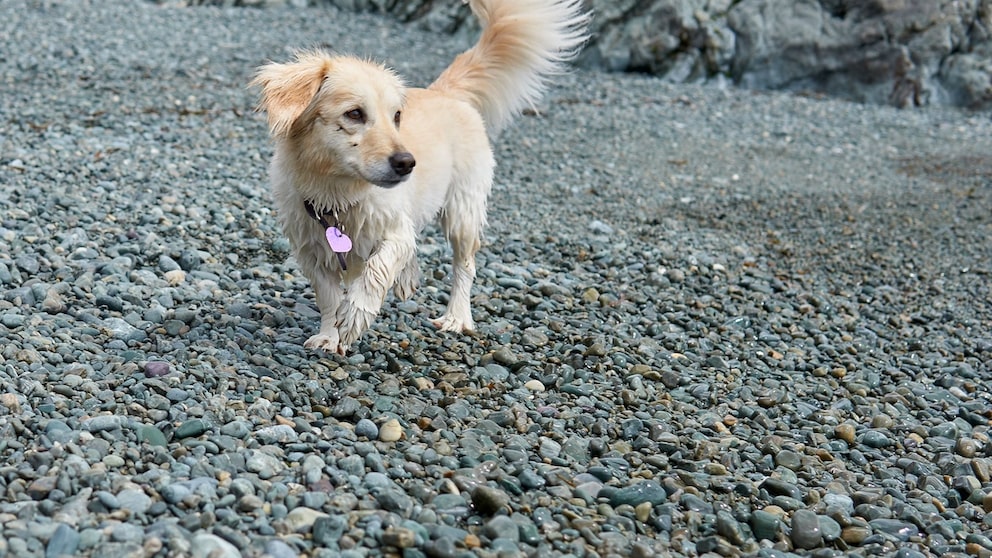
The Alopekis is a small to medium-sized, compact dog with harmonious proportions and a slightly fox-like appearance. It reaches a shoulder height of 20 to 30 cm and weighs between 4 and 7.5 kg. The head is wedge-shaped, the eyes almond-shaped and attentive, usually in warm brown tones. The ears are often drooping, but can also be semi-erect.
The coat is variable: It can be short, medium-length, or rarely semi-long and slightly wavy. In all cases, it is dense, with a weather-resistant undercoat. Hard, smooth coat structures are common, while rough-haired variants are rarer. The Alopekis comes in numerous colors—from solid white, brown, or black to multicolored combinations and markings.
The tail is medium-length, usually slightly curved or sickle-shaped, and is carried cheerfully in motion. Despite the lack of breed standards, the Alopekis always appears balanced and athletic, underscoring its agility and endurance.
Character & Temperament
The Alopekis is considered social, intelligent, and adaptable. It forms a close bond with its people and is playful, attentive, and often very calm. It is alert to strangers without being aggressive. Its historical role as a farm dog still influences its behavior today: It reliably reports unusual occurrences but can become a barker when bored.
Many Alopekis have a moderate hunting instinct, especially for small animals like mice or rabbits. At the same time, they are eager to learn and strive to adapt to the rules of their caregivers. They are usually compatible with children and other pets if socialized early. Their mix of independence and willingness to cooperate makes them versatile companions for both active and quieter households.
Training an Alopekis
The Alopekis can be well-trained with consistent education. Clear rules, patience, and mental stimulation are crucial to fostering its intelligence and avoiding undesirable behavior—such as excessive barking. Early socialization with people, animals, and various environments helps stabilize its alert but balanced character.
Especially with dogs from animal shelters, one should be prepared for potentially lacking everyday experience. Skills like leash walking or staying alone often need to be learned gently. With loving but clear guidance, the Alopekis becomes a reliable companion.
Proper Care & Maintenance
The Alopekis is adaptable and can live in an apartment or a house with a garden—sufficient exercise is crucial. Two hours of activity per day, divided into walks and play sessions, are recommended. It appreciates mental challenges like search games or simple dog sports.
In terms of grooming, it is uncomplicated: Brushing once or twice a week is usually sufficient, more frequently during shedding season. Ears, teeth, and nails should be checked regularly. Thanks to its robust nature, it requires no special care but does need regular maintenance.
Finnish Lapphund: A Hidden Gem for Nature-Loving Dog Owners

Kokoni: This Dog Breed Developed Naturally Without Breeding
Susceptibility to Certain Diseases
The Alopekis is considered hardy, but should receive high-quality, protein-rich food—whether as dry, wet, or well-balanced fresh food. Meat sources like chicken, lamb, or fish provide essential amino acids, while healthy fats support coat and skin.
Portion control is important as the Alopekis can be prone to obesity. Fresh water should always be available. Regular vet check-ups, dental care, weight management, and a balanced diet are part of preventive care. Allergies occasionally occur.
Alopekis at a Glance
- Size & Weight: 20–30 cm shoulder height, 4–7.5 kg
- Life Expectancy: 14–17 years, very robust
- Exercise Needs: Medium to high, about 2 hours daily
- Coat & Appearance: Small to medium-sized, compact dog with harmonious proportions and a slightly fox-like appearance. The coat can be short, medium, or rarely semi-long and slightly wavy. It is dense, with a weather-resistant undercoat. Hard, smooth coat textures are common, while rough-haired variants are rarer.
- Character: Playful, attentive, calm, alert to strangers without being aggressive
- Special Traits: Rarely found internationally, not recognized by major breeding associations