

January 30, 2023, 1:51 pm | Read time: 13 minutes
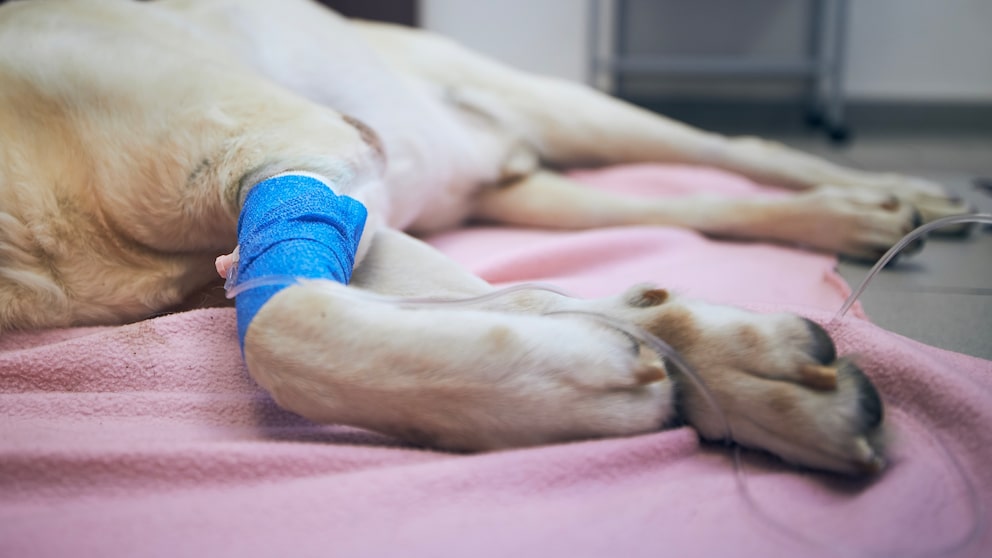
Injuries and illnesses of beloved pets can quickly become a financial trap that pet owners are not prepared for. A surgery insurance for pets protects against high veterinary costs in the event of an accident or illness requiring surgery. This allows pet owners to focus entirely on their four-legged friends. But which one is really worth it?
Pets often hold the status of family members. It doesn’t matter whether it’s a rabbit, a cat, a dog, or another animal. Once loved, the illnesses and accidents of one’s own pet become a test of endurance. Unfortunately, this applies not only emotionally but also financially. A surgery insurance for pets provides security and relief. We reveal what to look for when choosing an insurance provider and plan, and present various plans.
Overview
- These Benefits Come with Surgery Insurance for Pet Owners
- The Best Surgery Insurances for Pets in Comparison: What Matters
- Our Recommendations for Surgery Insurances for Pets
- Agila Surgery Cost Protection for Dogs and Cats: Combined Protection
- Zurich Surgery Insurance for Animals: Treatment Certificate
- Dog Surgery Insurance from HanseMerkur: Optimal for Dogs
- Surgery Insurance for Cats from Uelzener
- Dog Surgery Insurance from Barmenia: Comprehensive Protection with High Performance Level
- Conclusion: Questions to Ask Before Taking Out Surgery Insurance
- Frequently Asked Questions About Surgery Insurances for Pets
These Benefits Come with Surgery Insurance for Pet Owners
Surgery insurance is a no-brainer for many pet owners, while some still hesitate with full health insurance. Once pet owners find a suitable plan in the surgery insurance comparison for pets, the list of benefits quickly shows why:
- financial protection for surgeries due to accidents or illnesses
- carefree care for one’s own pet
- control over coverage and premium amount by choosing an appropriate insurance plan
The Best Surgery Insurances for Pets in Comparison: What Matters
When searching for the best surgery insurance for pets, pet owners need to know the key points where good insurance offers differ from mediocre plans.
Cost Coverage and Caps
One of the most important aspects when taking out surgery insurance for pets is the question of cost coverage and caps. This includes, among other things, up to how many times the rate of the veterinary fee schedule the costs are covered.
Depending on various factors, such as the age of the animal when the insurance is taken out, some insurance companies only offer a percentage reimbursement of the incurred costs. Other plans have an agreed-upon benefit amount. If this is exceeded, the policyholder bears all additional costs.
Especially with expensive or complex treatments, some plans quickly reach their limit, and pet owners must find a way to cover the costs. Therefore, a thorough comparison of plans before signing up is always advisable. Additionally, it’s worth checking whether an annual maximum amount is part of the insurance conditions, whether there is a prepayment requirement, and how easy it is to apply for cost coverage.
Scope of Benefits
Surgery insurances for pets cover the costs of an operation–that much is certain. What differentiates the plans is the coverage of costs associated with the operation of an animal. This includes, for example, diagnostic examinations the day before an operation, which are not covered by all plans.
Additionally, pet owners should be aware that not every operation can be performed on an outpatient basis. Moreover, post-operative care with medications, bandages, follow-up examinations, and accommodation in an animal clinic can also incur significant costs. Many insurance offers therefore include post-operative care in the surgery plan. However, there are differences in quality and duration.
Exclusion of Insurance Cases
Most surgery insurances for pets have a waiting period for cost coverage when it comes to illness-related operations. Operations due to an accident, on the other hand, are immediately covered by good insurance providers. However, it’s also worth taking a look at the contract documents: There is often a general short waiting period and an extended waiting period for specific illnesses. Some operations are not covered by the insurance at all. Pet owners must assess the risk themselves.
Those who take out surgery insurance for their pet only at an older age may risk not meeting the deadline and being left with the costs. It is also important to consider whether breed-specific illnesses are covered. Especially with some dog breeds, these occur very frequently due to breeding. Owners of purebred dogs should therefore pay particular attention to choosing an insurance plan that covers breed-specific illnesses and does not exclude them.
Our Recommendations for Surgery Insurances for Pets
In an emergency, pet owners should not have to worry about financing a procedure. Surgery insurance for one’s own pet provides relief, allowing the focus to be entirely on the recovery of the pet. Finding the right plan can seem complicated, which is why we present five plans here.
Agila Surgery Cost Protection for Dogs and Cats: Combined Protection
With this surgery insurance for dogs and cats, the insurance covers a surgery resulting from an accident or illness of the pet. The prerequisite is that the surgery is performed under anesthesia and requires a surgical procedure, meaning incision and suture. The insurance also covers post-operative care following the surgery, including items such as physiotherapy and medications.
The plans offered are Surgery Cost Protection 24, Surgery Cost Protection, and Surgery Cost Protection Exclusive. These differ only in terms of the cap on the insurance amount and the partial cost coverage. The insurance premium for dogs depends on the age of the animal at the time of contract conclusion and the breed. For cats, differentiation is made only by age at the time of insurance conclusion, not by breed.
Price: from approximately ten euros per month
Advantages:
- coverage of high costs included
- no deductible
- billing up to four times the rate of the veterinary fee schedule
- breed-inclusive insurance plan without exclusion of typical illnesses
- no complicated health check before insurance conclusion
- free choice of doctor and clinic
- possibility of direct billing
- easy submission of invoices
- quick cost reimbursement
- no hidden costs
- coverage of surgery costs incurred abroad
Disadvantages:
- age limit for inclusion in individual insurance plans
Also interesting: Should I Insure My Cat?
Zurich Surgery Insurance for Animals: Treatment Certificate
This insurance plan is offered under the umbrella of Zurich Insurance but is a product of a partner insurance company of Zurich, namely Uelzener Insurance for dogs, cats, and horses. Pet owners are covered for surgeries necessary due to an accident or illness.
The insurance plans and conditions vary depending on the type of animal. Therefore, we will only discuss the Zurich surgery insurance for dogs for the advantages, disadvantages, and key features of the insurance plan.
Price: calculated individually
Advantages:
- free choice of doctor and clinic in all plans
- insurance can be taken out for the single or double rate of the veterinary fee schedule
- no differentiation in insurance premium for different dog breeds
- subsidy for castration
- partial coverage of costs for a chip implant
- insurance can start from the third month of the dog’s life
- no age limit for inclusion in the insurance plan
- no annual limit
- coverage for up to six months abroad
- coverage of homeopathic treatments when performed by a veterinarian
Disadvantages:
- prepayment requirement at the veterinarian
- reimbursement amount depends on the dog’s age at entry into the insurance (100 percent up to the 5th birthday, 80 percent up to the 8th birthday, then 60 percent)
Dog Surgery Insurance from HanseMerkur: Optimal for Dogs
With this insurance plan, pet owners make a good choice. The performance level is comparatively high. Additionally, the plan was rated “very good” in the surgery insurance comparison for dogs by Stiftung Warentest in 2021 and is explicitly recommended for the example dogs.
By choosing one of the three available plan models, dog owners have the opportunity to weigh costs and risks against each other and make an appropriate decision. The available plans are Smart, Easy, and Best. The main differences, aside from the coverage, are in the maximum annual reimbursement amount and the maximum reimbursement rate according to the veterinary fee schedule.
Price: calculated individually, for example, from 7 euros per month
Advantages:
- insurance for breed-specific illnesses
- 100 percent cost coverage possible at any age of the dog
- reimbursements up to four times the rate of the veterinary fee schedule
- free choice of doctor and clinic
- inclusion in the insurance from the first day of life
- premiums are not adjusted based on age
- optional deductible of 250 euros
- optional coverage of costs for tooth extractions and root treatments in the Easy and Best plans
- worldwide coverage abroad for 12 months
- coverage of cancellation costs if trips cannot be taken due to accident-related surgeries
Disadvantages:
- age limit for new inclusion at eight years
Surgery Insurance for Cats from Uelzener
Not only outdoor cats but also house cats can become ill or get injured in an accident. This plan from Uelzener specifically covers cats and provides cat owners with the necessary security when surgery is needed.
Price: from 8 euros per month
Advantages:
- 100 percent reimbursement without annual limit possible
- reimbursement regardless of breed or age of the cat
- insurance can start from the 3rd month of life
- coverage of costs depending on plan choice according to the single or double rate of the veterinary fee schedule
- coverage of alternative veterinary treatments such as homeopathy and acupuncture as part of the surgery
- subsidy for castrations (without waiting period)
- subsidy for chip marking (without waiting period)
- free choice of veterinarian and clinic
- no age limit for inclusion in the insurance plan
- six months of coverage abroad within the EU
Disadvantages:
- premiums increase by 5 percent annually from the cat’s 5th birthday
Dog Surgery Insurance from Barmenia: Comprehensive Protection with High Performance Level
The dog surgery insurance from Barmenia is available in three different plan models, offering dog owners some flexibility. The available plans are Accident Surgery Protection, Premium, and Premium Plus. For the Premium and Premium Plus plans, there is an age limit for new insurance sign-ups.
On the positive side, Barmenia does not set an age limit for taking out accident surgery protection. This means that dog owners who have failed to take out surgery insurance in time still have the option to protect themselves against this cost risk.
Price: from about 13 euros per month
Advantages:
- coverage up to four times the fee rate of the veterinary fee schedule
- reimbursements for surgeries without an annual maximum
- worldwide coverage abroad (unlimited in the Premium Plus plan, otherwise 12 months)
- coverage of naturopathic treatments as part of the surgery
- coverage of post-operative treatment costs up to the 120th day after surgery (in the Premium Plus plan)
- free choice of veterinarian in all plan models
- tooth extractions and root treatments are included in all plans
- castration and sterilization are subsidized once in the Premium Plus plan
Disadvantages:
- age limit for new inclusion in the insurance plan (before the 10th birthday)
- age-based premium scaling (except in the Accident Surgery Protection plan)
Also interesting: Insurance for Dogs – Important Tips and Costs Overview
Which Dog Insurance Policies Are Really Worth It

New Fee Schedule for Veterinarians! Is Insurance Now Worth It?
Conclusion: Questions to Ask Before Taking Out Surgery Insurance
Those who want to insure their pet must balance the desire for the best possible coverage with the wish for the most affordable plan. That insurances with a good performance level do not necessarily have to be the most expensive among the various plans becomes apparent only through comparison. How pet owners can separate the wheat from the chaff and find a good insurance plan for themselves is revealed here.
The following points are particularly relevant:
- insurance sign-up
- conditions
- cost reimbursement
- premium amount
Some insurances may no longer be an option simply because the pet has exceeded the age limit for new surgery insurance sign-ups with the insurance provider. Once the insurances that are no longer an option are excluded, the search for a suitable plan with the conditions continues.
Here, it is important to consider whether there are breed-specific illnesses that are excluded in the insurance plan. If the pet has an increased risk for such an illness, a plan should be chosen where these cases are not excluded. Pet owners should also check the insurance conditions to see if there are extended waiting periods for certain surgeries in the fine print.
When it comes to reimbursing incurred costs, you should ask yourself the following questions:
- Up to what rate of the veterinary fee schedule are the costs for surgeries covered?
- Is there an annual maximum amount for reimbursements in the plan?
- Are incurred costs fully or only partially reimbursed?
- How straightforward is the regulation in the event of an insurance claim?
- Is direct billing possible, or do pet owners have to pay upfront?
If there are still various insurances left where pet owners are satisfied with both the insurance coverage and the remaining conditions, a final comparison of the premium amount is worthwhile. Here, pet owners should not only consider the current amount but also note that in some insurance plans, the premiums increase with the age of the pet, making the plan potentially more expensive in the long run.
Frequently Asked Questions About Surgery Insurances for Pets
We have provided a lot of information in the guide section. Nevertheless, some questions about surgery insurances for pets arise more frequently than others. We would therefore like to address and clarify certain questions once again.
Is There a Surgery Insurance Test Winner for Pets at Stiftung Warentest?
While some animals can be kept as classic pets, dogs and cats are quite typical. Because the treatment costs and the respective risks affecting the individual animal species differ, there is no general surgery insurance test for pets at Stiftung Warentest.
In the 09/2021 test issue, a large number of surgery insurances were also tested in comparison to dog health insurances. A more recent comparison for cats is available in the 12/2022 test issue. In both tests, many insurances impressed with a very high performance level.
Why Is It Worth Taking Out Surgery Insurance for Pets Early?
Illnesses in pets are hardly avoidable over their lifetime. While they are likely to occur only in the later years of a pet’s life, accidents are unpredictable and can necessitate surgery at any time.
The costs for animal treatments in general and for surgeries and the necessary aftercare in particular quickly reach four-digit amounts. Therefore, securing coverage at the earliest possible opportunity is sensible. Additionally, with many providers, the premiums increase with the age of the animal.
For Which Pets Are There Surgery Insurances?
Many available surgery insurances are specifically offered only for dogs or cats. There are no general surgery insurances where the same conditions apply and the same premiums are charged for all animals. The range of surgery insurances for dogs and cats is by far the largest. However, there are also surgery insurances for horses and small animals.