

February 8, 2023, 4:45 pm | Read time: 6 minutes
Vitamin D is a fat-soluble vitamin with hormone-like effects, also known as calciferol. This micronutrient is essential for bone metabolism, as it stimulates calcium absorption in the intestines. This ensures that sufficient calcium and phosphorus are available for the mineralization of the skeleton–necessary for bone growth and maintenance. Healthy, mineralized teeth also rely on vitamin D. Unlike humans, dogs are not very capable of generating vitamin D on their own. Therefore, adequate intake through food is crucial to prevent vitamin D deficiency in dogs. Additionally, a dog’s natural immune defenses require sufficient vitamin D, as it is an indispensable micronutrient for the immune system’s defense cells.
Overview
Causes of Vitamin D Deficiency
Since dogs primarily ingest vitamin D3 as a precursor to calciferol through their food, the provitamin must first be activated and converted into its storage form in the body. Various processes in liver and kidney metabolism are responsible for this. If a dog suffers from liver and kidney dysfunction, it can lead to problems with vitamin D balance–and subsequently to a vitamin D deficiency. Incorrect or overly one-sided feeding can also result in insufficient vitamin D supply.
Symptoms of Vitamin D Deficiency in Dogs
As a result of vitamin D deficiency, various diseases can occur in dogs, which may trigger the following symptoms:
- reduced immune defenses (recurring infections)
- decreased desire to move, dog appears lethargic
- lameness
- postural abnormalities
- swelling of the elbow joint and characteristic limb positioning (the elbow joint is turned inward, paw and forearm positioned outward) may indicate rickets due to deficiency
- dental problems
Also interesting: 6 Superfoods for Dogs
Possible Consequences of Vitamin D Deficiency in Dogs
A pronounced vitamin D deficiency can lead to bone softening (osteomalacia) and brittle bones (osteoporosis). A lack of calciferol is particularly risky for growing dogs: It can result in rickets–a bone disease characterized by distinctive bone deformities.
On the immune system level, insufficient vitamin D can lead to reduced production of defense cells and thus increased susceptibility to infections. Research has also shown that animals with babesiosis infection (“canine malaria”) had significantly lower vitamin D levels than healthy dogs–likely due to inflammatory processes during the disease course, but possibly also due to low vitamin D status before the illness.1
Other studies have observed links between low vitamin D levels and chronic kidney disease as well as cancer (including breast tumors). Additionally, sick dogs in veterinary clinics showed significantly lower vitamin D concentrations in their serum compared to healthy dogs.2, 3
How Much Vitamin D Do Dogs Need?
- Adult dogs need 10 IU (0.25 µg) of vitamin D per kilogram of body weight daily.
- Pregnant females and growing puppies and young dogs have an increased need for vitamin D: The guideline is double the amount of vitamin D, so owners should either purchase a special complete food for pregnant females or puppies or enrich conventional food with vitamin D.
Important: A veterinarian is the right contact for individual, optimal vitamin D supply.
How to Prevent and Treat Vitamin D Deficiency in Dogs
If a vitamin D deficiency is identified in your pet or you want to prevent it, there are several options.
Choose High-Quality Dog Food
First, dogs should only be fed high-quality dog food developed in collaboration with veterinarians. The reason: Only a strictly controlled complete food can provide dogs with all essential nutrients in optimal amounts.
In contrast, some foods contain not only questionable additives like sugar, artificial ingredients, and cheap fillers but also micronutrient levels that are not species-appropriate. In this regard, vitamins and other nutrients may be either too low or too high. This can lead to nutrient deficiency–or even risky over-supply.
Enrich Dog Food with Foods Containing Vitamin D
If you occasionally prepare your dog’s meals yourself, you can enrich the dog food with vitamin D sources–provided you have sufficient knowledge of healthy dog nutrition. For example, when feeding raw, due to food intolerance, or when feeding vegetarian or vegan diets, ensure adequate vitamin D supply for your dog!
While fish meals and food enriched with egg yolk or salmon oil are often suitable for raw-fed dogs, only egg yolk and possibly small portions of dairy products like butter or cheese as treats are suitable for vegetarian-fed dogs, provided the dog tolerates small amounts of lactose.
Other foods containing vitamin D:
- Salmon, herring & mackerel
- Sprats & trout
- dried sardines
- egg yolk
- fish oil & cod liver oil
- heart, liver & kidney
- small amounts of butter & cheese
Vitamin D as a Dietary Supplement
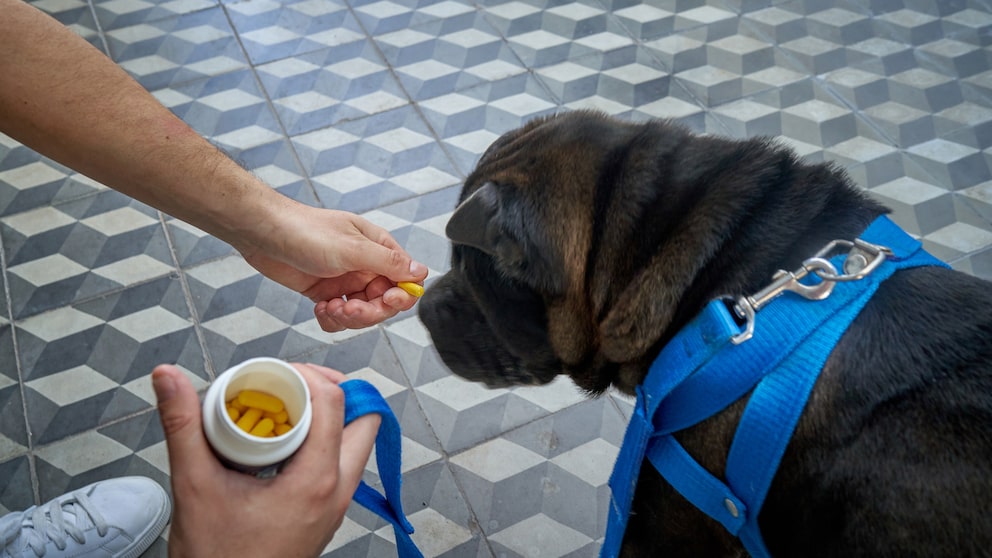
For dogs fed exclusively plant-based diets, it is not possible to obtain sufficient vitamin D from fresh foods. In this case, the dog relies on high-quality complete food enriched with synthetic vitamin D, special vitamin-mineral flakes, or a supplement. Suitable options include vitamin D drops based on coconut oil or chewable tablets.
Since dogs fed exclusively plant-based diets depend on supplementation of various micronutrients, a multivitamin-mineral supplement in powder or flake form for complete nutrition is recommended. However, dogs fed meat with a diagnosed vitamin D deficiency should (temporarily) be provided with a dietary supplement in consultation with a veterinarian.
However, regarding vitamin D, not only insufficient supply but also overdosing on calciferol (hypercalcemia) is dangerous. If the fat-soluble vitamin accumulates and deposits in the heart, lungs, or kidneys, it can be hazardous for the animals and lead to organ poisoning. This should not be risked. Therefore, proper nutrition is crucial.

Vegan Diet for Dogs–Sensible or Dangerous?

Dietary Supplements for Dogs–Useful or Unnecessary?
Sources
- Rosa, C., Handel, I. et al (2019). Vitamin D status in dogs with babesiosis. Onderstepoort. J Vet Res. 2019 Mar 28;86 (1):e1-e5. DOI: 10.4102/ojvr.v86i1.1644, https://pubmed.ncbi.nlm.nih.gov/31038320/
- Sanchez-Cespedes, R., Fernandez-Martinez, M. D. et al (2018). Vitamin D-Receptor-Expression in the Mammary Gland of Dogs and Relationship to Clinical-Pathological Parameters and Progesterone/Estrogen Receptors. Vet Comp Oncol. 2018 Mar;16(1):E185-E193. DOI: 10.1111/vco.12371.
- Jaffey, A. J., Backus, R. C. et al (2018). Serum vitamin D concentrations in hospitalized critically ill dogs. PLOS ONE March 28, 2018 https://doi.org/10.1371/journal.pone.0194062
Other Sources
- drhoelter.de, „Vitamin D“ (accessed on 2/7/2023)
- dr-susanne-weyrauch.de, „The Vitamin Supply for Dogs“ (accessed on 2/7/2023)