

August 18, 2025, 3:57 am | Read time: 4 minutes
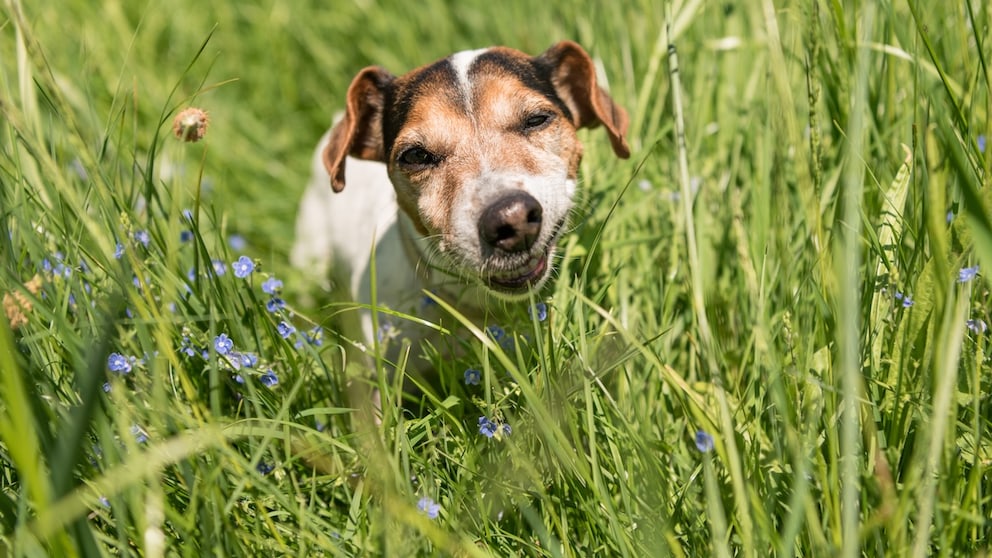
Does your dog eat grass more frequently, often in the morning on an empty stomach, and then vomit whitish-yellow, foamy mucus? This could indicate that the animal has acid reflux. This “common ailment” affects more dogs than one might think. PETBOOK author and dog health expert Philine Ebert has compiled everything you need to know about why this happens, which natural home remedies can help, and other important information on this topic.
How Can I Tell if My Dog Has Acid Reflux?
There are clear symptoms indicating that a dog suffers from acid reflux:
- Frequent, frantic grass eating, not just occasionally, but regularly and often in the morning on an empty stomach, followed by immediate vomiting of yellow, foamy mucus
- Vomiting of whitish-yellow foam or bile
- Gagging after eating
- Loss of appetite (especially in the morning) leading to weight loss
- Hesitation to eat, as the animal instinctively wants to avoid discomfort or pain during feeding
- Excessive thirst
- Increased salivation
- Chest licking
- Teeth grinding
- Burping, especially after eating
- Restlessness or discomfort after eating or at night
- Frequent swallowing, smacking, or lip licking
- Noticeable bad breath despite good dental care
What Are the Causes?
The digestive process in humans begins with chewing in the mouth, where digestive enzymes are also stimulated. In dogs, however, it starts in the stomach, where stomach acid initiates the process and activates the enzymes.
This is why dogs develop acid reflux more quickly than humans; their esophagus is horizontal, and the backflow of stomach acid causes even more intense discomfort than the typical unpleasant burning sensation. In dogs, acid reflux is mainly triggered by certain foods or stress. The causes are usually related to specific foods or stress. The causes are mostly feeding errors or stress.
Therefore, acid reflux occurs more quickly in dogs than in humans, as the esophagus is horizontal, and the backflow of stomach acid causes even more intense discomfort than the typical, unpleasant burning sensation. In dogs, acid reflux is mainly triggered by certain foods or stress. The causes are usually specific foods or stress.
Possible Causes Can Include
- Diseases of the digestive system, such as unsuitable food, large portions, food temperature, or long intervals between meals
- Diseases of the digestive system, such as certain foods, stress, or thyroid dysfunction
- Feeding errors, such as unsuitable food, large portions, food temperature, or long intervals between meals
- Nutritional deficiencies
- Overweight
- Pregnancy (in advanced stages, pressure on the stomach increases)
- Stress as a trigger
- Foreign objects in the stomach that are indigestible
Which Breeds Are More Prone?
In general, all dogs that are sensitive to diet, meaning those with naturally sensitive stomachs, are affected. These animals often suffer from intolerances. Young dogs, whose stomach entrance closure mechanism is not yet fully developed, as well as older or overweight dogs, frequently develop acid reflux.

When Your Dog Suffers from Gas–Here’s What You Can Do

Choking in Horses: What Owners Need to Know
What Should I Consider in Feeding?
It is essential to provide a stomach-friendly diet and ensure adequate fluid intake.
What to Keep in Mind
- Encourage frequent water intake
- Feed smaller, more frequent meals
- Avoid feeding food that is too cold or too hot
- Avoid long intervals between feedings
- Use stomach-friendly foods, such as plain yogurt, cottage cheese, quark, vegetable puree, mashed potatoes, or tripe
- Consider a bland diet or BARF (Biologically Appropriate Raw Food)
- Avoid long feeding intervals
- Elevate the food bowl for easier access
- Reduce stress and avoid feeding difficult-to-digest foods
- Reduce the production of stomach acid and support the natural pH balance of the stomach
- Consider using natural remedies like clay powder or powdered zeolite rock (binds stomach acid, acts as a base against acidity, reduces inflammation, and provides minerals)
- Consider using slippery elm (elm bark powder)
- Use bitter substances for low stomach acid, such as wormwood (bitter mugwort, gentian root, centaury)
When should I see a veterinarian?
If vomiting becomes more frequent or severe, or if the animal is clearly in pain while eating, veterinary treatment is essential.
Ulcers, inflammation of the esophagus, or bad breath despite good dental care can also be signs that it’s time to consult a veterinarian.
As the saying goes, “Just like us, our dogs can have an upset stomach.” Rich food, indigestible items, unfamiliar food, nutritional deficiencies, anger, or stress often cause acid reflux. If the discomfort persists and the unpleasant burning in the esophagus affects the dog’s daily life and well-being, action must be taken, and the dog should be taken to a veterinarian as soon as possible.