

November 6, 2026, 11:14 am | Read time: 6 minutes
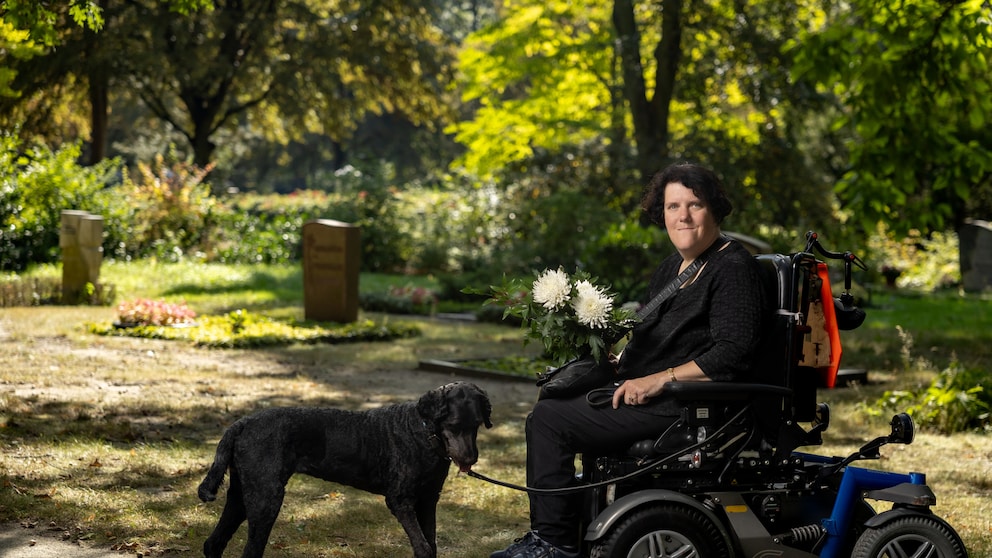
When Kerstin Kleinschmidt falls in a dog park with her wheelchair, her assistance dog Sophie is off-leash. But instead of running away, she stays by Kerstin’s side without a command until passersby help her up. A moment that shows how closely the two are bonded after many years together. Sophie makes Kerstin’s daily life easier, picking up objects, opening doors, and giving her more independence. But now a big change is coming: In December, Sophie will turn 13 and retire. PETBOOK tells the touching story of how Sophie became more than just an assistance dog for Kerstin.
Sophie Fell Asleep on Her Arm at Their First Meeting
Kerstin has been in a wheelchair since birth. She was born prematurely at seven months and suffered from oxygen deprivation and atrophic muscle loss in her legs. She cannot walk and, due to severe back pain, can no longer bend over. Many everyday tasks are therefore difficult or impossible without assistance.
This is where Sophie comes into play. But before she became an assistance dog, she was first a small puppy who immediately surprised Kerstin at their first meeting. Sophie was the last of her litter and was brought to Kerstin’s home by the breeder. “I was very excited at our first meeting, and Sophie was very calm,” Kerstin recalls. The young dog immediately snuggled up on her arm and fell asleep there. Even then, Kerstin’s dog trainer recognized the dog’s potential in some tests and suspected that Sophie might later be well-suited as an assistance dog.
Sophie Learned Much More Than Sit and Stay
Kerstin trained Sophie herself with a trainer. First, the dog had to learn to walk reliably on the left side of the wheelchair. This was followed by basics like sit, stay, and lie down.
Later, it became more challenging: Sophie learned to retrieve dropped items directly into Kerstin’s hand, unload the washing machine, open doors, and find a suitable spot for her on buses and trains. At checkouts or in crowds, she shields the wheelchair so that other people don’t get too close to Kerstin.
Retrieving is especially crucial for Kerstin. What for others means just bending down briefly is not easily possible for her. And the dog doesn’t always need a command for this. She often senses when her help is needed.
Also interesting: “Without my dog, I wouldn’t be sitting here today”
During the Fall, Sophie Voluntarily Stayed with Kerstin
How much Sophie looks after her owner was particularly evident during a walk. On an uneven path in a dog park, Kerstin tipped over with her wheelchair. Sophie was not on a leash at the time. Still, she didn’t run away. She voluntarily stayed with Kerstin and waited by her side until passersby came and helped her back up with the wheelchair.
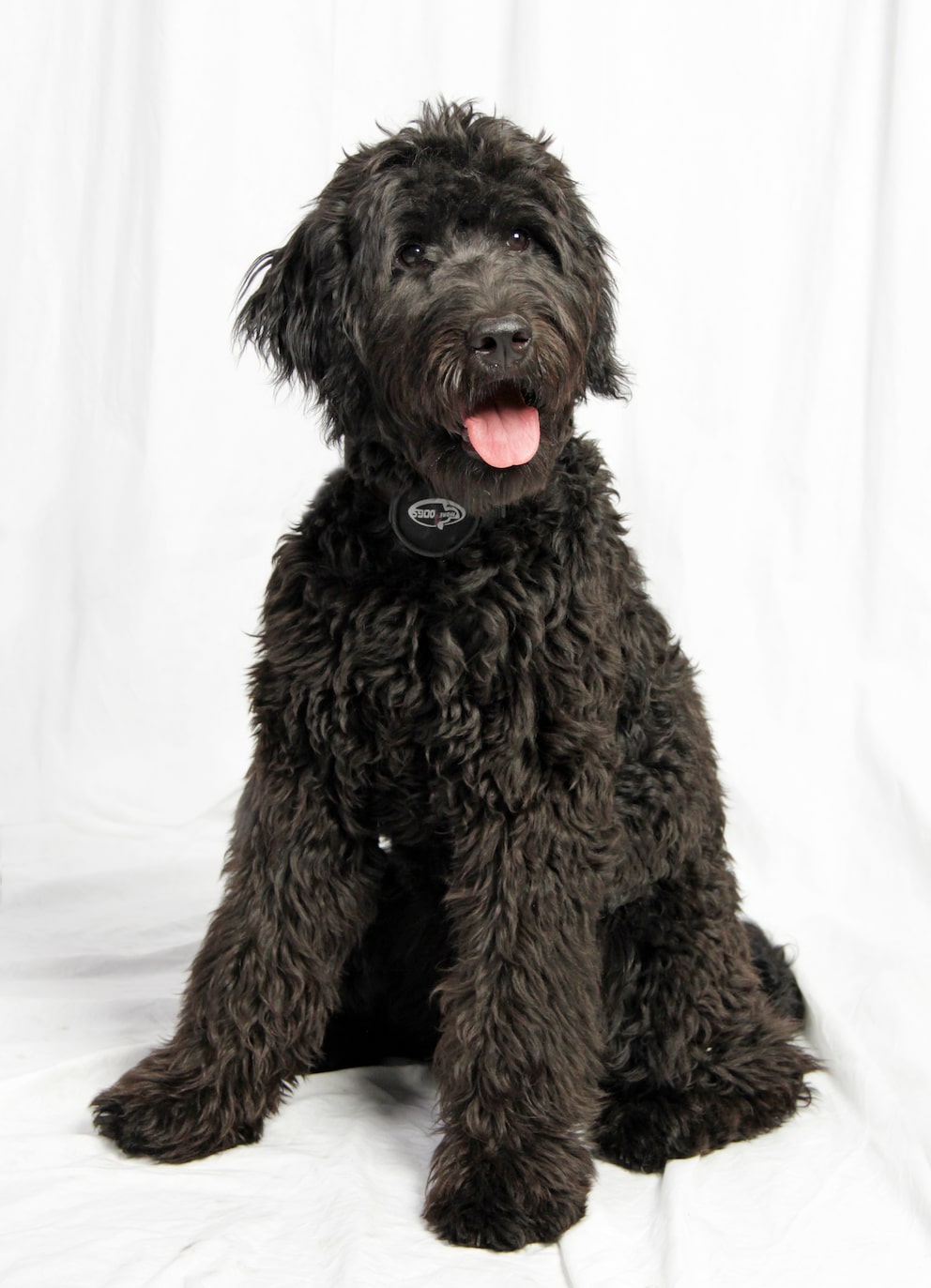
That Sophie is immediately there in such situations fits her nature. “Sophie is very smart and doesn’t like repetitions very much. She is always cheerful and sometimes has a mind of her own. But when I need quick support, she senses it and comes immediately,” Kerstin describes her dog to PETBOOK.
Through Sophie, People See the Dog First
Sophie not only opens real doors for Kerstin. The dog has also become a door opener in another way: “People approach me more openly, and we talk about the dog, not about my physical limitations.”
While Kerstin is often first perceived as a woman in a wheelchair without Sophie, the dog provides a completely different conversation starter. Suddenly, it’s about Sophie, her nature, and her work. Of course, the now almost 13-year-old is not an assistance dog around the clock. When she’s off duty, she gets to just be a dog. Then Sophie loves to romp, go for walks, show tricks, and cuddle extensively.
Also interesting: Social worker: “An assistance dog can often achieve more than a human”
Now a New Chapter Begins for Sophie
In December, Sophie will proudly turn 13. This marks the end of her time as an assistance dog. Saying goodbye to Sophie’s work is hard for Kerstin: “Sophie’s retirement shows me that we’ve grown older together and that without her, my independence would be very limited, and I might eventually rely on human support. And it makes me sad because when Sophie eventually passes away, it means saying goodbye, and I need a successor so that I don’t have to rely on outside help in everyday life.”
For Sophie herself, retirement doesn’t mean saying goodbye to Kerstin. She gets to stay with her for the rest of her life and just be a dog.
Retirement of the Assistance Dog
An assistance dog usually retires at the age of 10 or due to health reasons. This means the official certificate expires, and all special rights, such as extended access rights (e.g., in supermarkets) and exemption from leash laws, are completely revoked; legally, the dog becomes a regular pet.
There is no active official control in everyday life, but the official ID and vest are strictly time-limited. Anyone wishing to keep the dog in service longer must proactively apply for an extension (up to a maximum of the 12th year) and provide a veterinary fitness certificate–without a valid ID, access to stores is denied.

Social Media Star “Gluexpfoten”: “How My Autism Assistance Dog Changed My Life

Social pedagogue: “An assistance dog can often achieve more than a person”
Not Every Assistance Dog Can Stay After Retirement
That Sophie can spend her twilight years in her familiar home is especially important to Kerstin. Not every former assistance or service dog can stay with their person after their work ends. “Guide dogs that retire and can’t stay with their handlers go to foster or sponsor families,” Kerstin explains.
She and a friend dream of an inclusive living farm where people with and without disabilities can live and work together with their dogs. Older assistance and service dogs should also find a place there. Additionally, a shared living space for people with life-shortening illnesses is part of the idea.
Behind this is something Kerstin has experienced over the years with Sophie: Dogs can not only make everyday life easier. They can change how people connect with each other and remind us to live more in the here and now.
“I Hope She Stays by My Side for a Long Time”
For Kerstin, the search for a successor to Sophie is now underway. Without an assistance dog, her independence in everyday life would be significantly limited. Sophie, on the other hand, can look forward to a new chapter: no work, but still by Kerstin’s side.
After all the years together, gratitude remains above all. When asked what she would say to Sophie if the dog could understand every word, Kerstin replies: “I thank her for the wonderful time with her and hope she stays by my side for a long time and that I love her forever.”