

August 18, 2026, 3:59 am | Read time: 4 minutes
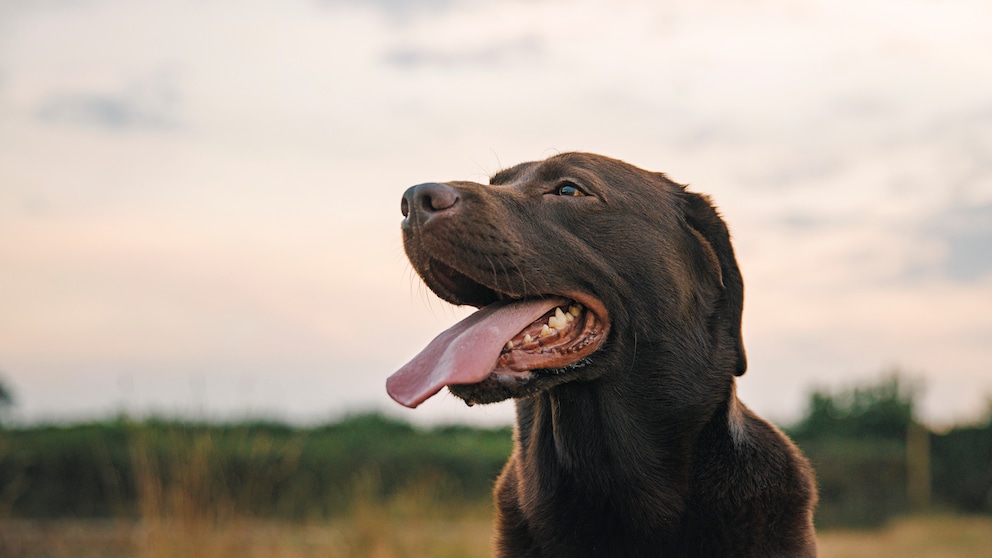
When dogs pant heavily in the summer, it’s often completely normal. However, not all panting is harmless. If breathing becomes very rapid, the dog appears apathetic, or drooling, vomiting, or staggering occurs, it could be a heat stroke or a serious illness. PETBOOK explains how owners can recognize the difference.
Why Dogs Pant So Much
Unlike humans, dogs don’t sweat through their skin. Their sweat glands are only located on their paws, so they can’t sweat in the traditional sense. Therefore, dogs cool themselves by panting. Many people think that cooling mainly occurs through the open mouth and tongue, but the nose and its nasal turbinates also play a role in cooling. Dogs inhale through these, and special glands produce a liquid that creates evaporative cooling when inhaled.
When panting, dogs don’t receive cold air; instead, the constant, rapid airflow removes moisture from the body, which evaporates. This leads to intense thirst after panting. During strenuous physical activity or extreme heat, it’s normal for dogs to pant heavily. However, there are situations where owners should be alarmed.1
What Causes a Dog to Pant Excessively?
Besides high body temperature, there can be other reasons for increased panting. As an owner, you should always keep an eye on the dog’s overall condition and the situation to properly assess the reasons for panting.2
- Intense physical exertion during extensive ball games or bike tours increases body temperature and breathing rate.
- Overstimulation and stress can lead to anxiety or nervousness in dogs. They try to compensate for this by panting.
- Overexertion and exhaustion can trigger panting along with constant yawning. Additionally, restlessness and heavy drooling may occur.
- Obesity means that every movement becomes an effort, making breathing difficult.
- Breathing difficulties often occur in short-nosed breeds like French Bulldogs, Pugs, Pekingese, Boxers, Boston Terriers, or Maltese. Brachycephalic breeds particularly struggle with breathing in the summer. Their breathing difficulties can even lead to fainting.
- Pain and illnesses can also cause heavy panting. This could be due to poisoning or gastric torsion. Heart and lung diseases can also be the cause.
- Joint pain can also be a trigger, especially in older dogs.
- If the dog pants heavily at night while sleeping, you should observe this. Sometimes it’s just a dream that is occupying them. If the panting persists night after night, you should consult a veterinarian and have the dog checked.
Also interesting: 13 Reasons Why Dogs Drool Excessively and What Helps
What You Can Do About Heat-Induced Panting
Veterinarians advise taking dogs out of the sun at 77 degrees Fahrenheit. However, it also becomes dangerous quickly in the car. Never leave the dog in the car, even with the window slightly open. In summer, avoid strenuous dog sports and long bike tours. Walk your dog in the morning or at night instead of during midday heat.
Also interesting: Heat Stroke in Dogs in Cars – The Underestimated Danger

Recognizing and Responding to Heatstroke in Dogs

Why air conditioners and fans are dangerous for dogs and cats
When Does Heat Become Dangerous for Dogs?
When the body temperature rises to 104 degrees Fahrenheit, the dog is already struggling with circulatory problems. The breathing rate increases tenfold, reaching 300 to 440 breaths per minute. At 109 degrees Fahrenheit, the animal collapses and can die.
You can recognize that a dog is close to heat stroke by the following symptoms:
- bright red mucous membranes
- excessive drooling
- appears absent
- rapid heartbeat
- staggering gait
- vomiting
- diarrhea
- rapid and shallow breathing
What Can You Do If Your Dog Pants Excessively?
Often, small things can help a dog that pants excessively:
- cooling mat
- offer fresh water
- spray the dog with a garden hose
- set up a paddling pool in the garden
- let the dog cool off in a stream, river, or lake during walks
- offer dog ice cream
If these measures don’t help cool the dog, you should consult a veterinarian. In rare cases, a disease may be behind excessive panting, and treatment should be administered.