

June 24, 2026, 9:51 am | Read time: 3 minutes
For many, a dog is much more than a pet–it’s a family member, loyal companion, and best friend. The moment when the dog starts to age is all the more difficult. At that point, many owners ask themselves: How old can dogs actually get, and what can be done to keep them healthy and fit for as long as possible?
How long does a dog live?
Whether an experienced dog owner or a beginner, everyone eventually has to consider how old a dog can get. Ideally, this should be done before getting a dog. Different breeds have varying life expectancies and factors that can significantly influence them. Therefore, life expectancy should not be generalized.
In 2024, the journal “Scientific Reports” published a comprehensive study by Kirsten M. McMillan and colleagues (Dogs Trust, UK) in collaboration with Liverpool John Moores University. The study analyzed and evaluated the ages of 584,000 dogs from the UK. The researchers found that the average lifespan of dogs is 12.5 years. However, there were differences depending on the breed: According to the study, smaller dogs lived longer than medium-sized or large dogs. The study also highlighted another interesting point. If you want to learn more, feel free to read our article “These Dogs Live the Longest…”.1
What influences a dog’s life expectancy?
As previously mentioned, breed and body size play a crucial role: Smaller dogs generally have a higher life expectancy than large or very heavy breeds. Genetics is also relevant, as hereditary diseases or breeding defects can significantly shorten lifespan. Nutrition has a major impact as well. High-quality, appropriate food and avoiding obesity contribute significantly to an animal’s health. Equally important are proper care and regular exercise, which keep both body and mind fit.
Additionally, the dog should regularly visit the veterinarian: Regular vaccinations, dental check-ups, and early diagnosis of diseases can help extend a dog’s quality of life and lifespan.2
The oldest dog in the world
The records animals set with their age are exemplified by Bobi–at least at first glance. The Portuguese dog was said to have lived over 31 years and was considered the oldest dog in the world. However, in early 2024, the “Guinness Book of Records” revoked his title due to doubts about the age claim. We have compiled more record holders for you here: The Oldest Dogs in the World–Why They Live So Long.

Do You Know How Old Hamsters Can Get?

The Oldest Dogs in the World–Why They Live So Long
How do I know my dog is getting old?
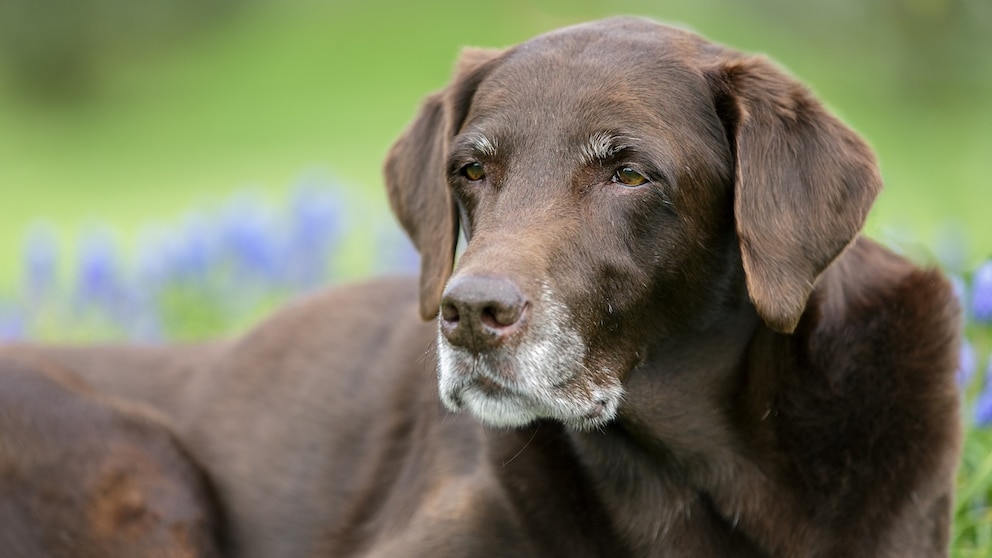
Time does not pass without a trace for dogs. Older dogs often get gray hair. Their coat often becomes brittle and loses its usual shine. Depending on the animal, there may be weight fluctuations: Some animals gain weight, while others lose a lot. The muscles of dogs also decrease with age. Additionally, their eyes may become cloudy and dull. Sometimes, the animals breathe noticeably harder. The older they get, the more limited their mobility becomes–they become stiffer and slower.3
What dying phases does a dog go through?
When a dog reaches the end of its life, it often goes through three typical dying phases: In the preparatory phase, it withdraws, sleeps a lot, and often refuses food or water. In the active dying phase, restlessness, altered breathing, or trembling may occur. In the final phase, things become noticeably calmer–breathing becomes shallow, and bladder and bowel control may be lost.