

April 1, 2026, 9:00 am | Read time: 6 minutes
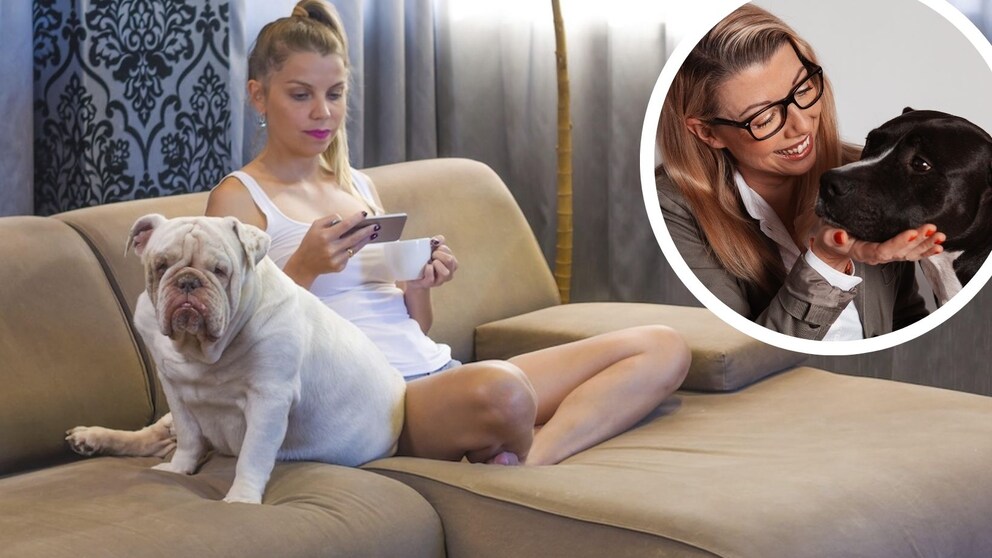
Everyone knows the scenes in the park: parents pushing their children in strollers while constantly staring at their phones. Or dog owners who are glued to their phones while walking their dogs, as if their lives depended on it. This phenomenon is called “phubbing” and can have lasting effects on everyone involved, which experts are now warning about. Excessive smartphone use also affects our four-legged friends, as dog trainer Katharina explains in an interview with PETBOOK.
The word “phubbing” is a combination of “phone” and “snubbing” and describes a behavior that experts are now warning about. Many have likely experienced being out with someone who is more engaged with their phone than with the person they are with.
Over time, such behavior can strain a relationship–even the one between humans and dogs. It often happens that pet owners pay more attention to their phones and social networks than to their pets. Dog trainer Katharina Marioth from “Stadthundetraining” warns about this growing phenomenon in a conversation with PETBOOK.
“Phubbing can lead dogs to develop strategies to get attention”
PETBOOK: What do you observe as a dog trainer when dogs see their owners constantly looking at their smartphones instead of interacting with them?
Katharina Marioth: “When people only stare at their phones, the opposite often happens with the dog–they start to feel. They feel insecurity, frustration, or simply boredom. I often see dogs becoming restless, starting to bark, pulling on the leash, or withdrawing. It’s a bit like going out to eat together and the other person is on their phone the whole time–it affects the relationship. And dogs are very sensitive to that.”
Are there typical behavioral issues that can arise from “phubbing”?
“Yes, and unfortunately, quite a few. Phubbing–the conscious or unconscious ignoring of the dog through technology–can lead dogs to develop strategies to get attention. Some bark, jump, tug on the leash, some withdraw, become insecure, and for some, it eventually turns into frustration or aggression. Not because they are ‘bad,’ but because they simply don’t feel seen.”
Also interesting: Jochen Bendel calls for fines for owners who talk on the phone during walks
“When we are not emotionally present, the dog notices immediately”
How sensitive are dogs, in your experience, to this phenomenon with their caregivers?
“Extremely sensitive. Dogs communicate through body language, facial expressions, energy–not words. When we are not emotionally present, the dog notices immediately. And it’s confusing for them: The caregiver is physically there but mentally absent. This can lead to a kind of inner vacuum for the dog. For many animals, this is the beginning of attachment issues.”
What does this mean specifically for the dog-human bond?
“Bonding is created through shared experiences–not by living side by side. If I walk in the woods and the dog experiences exciting things with me, trust grows. But if I walk in the woods and the dog mostly sees me with my head down and phone in hand, they will eventually wonder: ‘Am I important to you?’ And that affects the bond. It suffers quietly but steadily.”
How does smartphone use affect training–for example, during recall or in stressful everyday situations?
“Training is communication. And if I’m absent at the crucial moment–not responding, responding too late, or being unclear–I risk losing not only the recall but also the dog’s trust. Especially in stressful situations, dogs need clear, attentive leadership. Looking at your phone is like an air traffic controller going silent: No one knows where to go.”

Dog Ignoring You? What That Says About Your Relationship

How to Tell if Your Dog Is “Checking Out”
These dog breeds are particularly affected by phubbing
Are there dog breeds or types that are particularly sensitive to a lack of attention from humans?
“Absolutely. Especially very people-oriented breeds like herding dogs, retrievers, or many companion dogs are sensitive to emotional absence. But it’s less about the breed and more about the individual personality. Even a former street dog that has finally gained trust can become insecure again due to a lack of attention. Dogs are social beings–and bonding is not a one-way street.”
Which everyday situations are particularly critical when it comes to phubbing?
“The classics: In a café, when the dog lies quietly next to the table and the person doesn’t give them a glance. During walks, when you stop every five minutes to check Instagram. And on the dog training field, when it comes to learning–attention is not optional, it’s mandatory. Encounters with other dogs or people are also critical–they require leadership, not Facebook.”
What can dog owners do to find a healthy balance between smartphone use and spending time with their dogs?
“I often work with the image of ‘dog time’ as an island in everyday life. An hour where the phone stays in the pocket. Those who notice how much more intense the connection becomes when they are truly present often don’t want to go back to the old routine. I always say: ‘Your dog is the best mindfulness exercise you’ll ever do–they demand nothing, they just wait for you.'”
“My dog is not the backdrop for my story, he is my real partner”
What are some simple, everyday strategies to create quality time with your dog despite modern distractions?
“For example: set ‘offline walk times’ where the phone stays in airplane mode. Or short but intense play or training sessions where the focus is entirely on the dog. Small rituals also help–like a daily five-minute cuddle ritual, searching for treats in the garden together, or consciously ‘checking in’ with the dog before leaving the house.”
Would you say that the topic of ‘digital mindfulness’ should play a bigger role in dog training–and if so, how?
“Absolutely. It’s not a ‘nice to have,’ it’s essential. Digital mindfulness in dog training means consciously deciding when I’m reachable–and for whom. My dog is not the backdrop for my story, he is my real partner. I believe dog training should also be a space where humans and dogs learn to truly connect again. Completely analog. Completely real. In my sessions, there’s a strict no-smartphone policy for a good reason. These hours belong to the dog and their human.”