

October 29, 2025, 3:58 pm | Read time: 7 minutes
A dog is about to move in. Just the thought of it gives many people butterflies in their stomachs. The anticipation is huge, with images of clumsy paws and shiny eyes forming in their minds. But this is where the greatest danger lies: decisions made out of emotion. Dog trainer Katharina Marioth explains what you should consider.
These Emotional Traps Lurk When Buying a Puppy
Choosing a puppy is much more than a romantic snapshot. A healthy, well-socialized puppy grows into a family as if it has always been there. A hasty purchase, a dog from questionable backgrounds, or a breed that doesn’t fit the lifestyle can lead to enormous stress for everyone involved. In my experience, these are the three biggest mistakes when buying a puppy:
Mistake 1: Buying Puppies Out of Pity
One of the most common mistakes in choosing a puppy is pity. There sits the little male in the backyard, with dirty paws and sad eyes, and everything in us screams, “I have to save him!” This feeling is deeply human but not a good advisor. Those who truly want to help must start in the right place: with education, with reputable providers, with donations to genuine animal welfare organizations.
Mistake 2: A Puppy Is Not a New Stuffed Animal
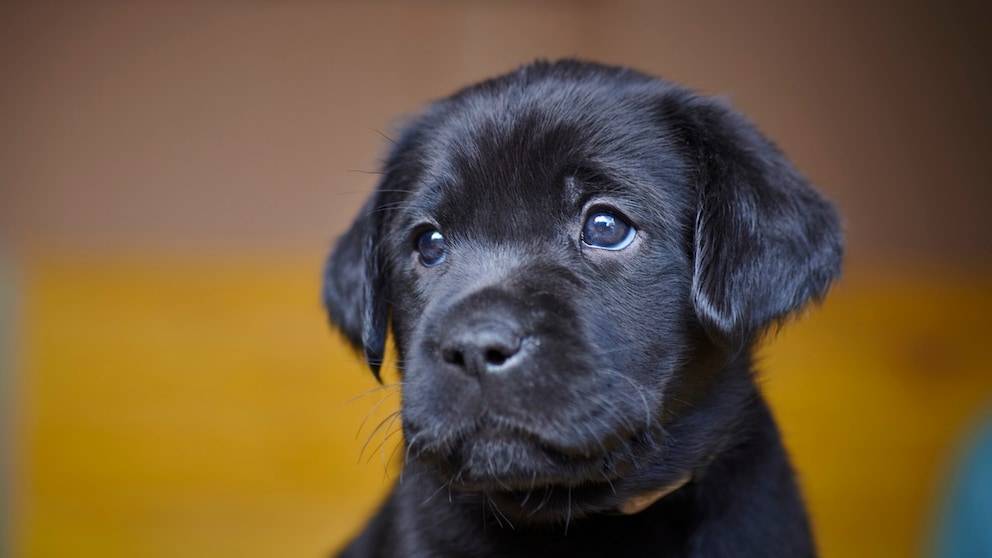
A second mistake in choosing a puppy is pure appearance. Cute big eyes, fluffy fur, the “baby schema trap”–and suddenly it’s forgotten that behind this ball of fur is a dog with breed-specific traits. A Jack Russell won’t become a couch potato just because he looks so cute in your arms. A Malinois won’t remain a stuffed animal because he looks like an oversized shepherd plush bear as a puppy. Ignoring breed characteristics is reckless.
Mistake 3: Not Enough Capacity for a Dog
People often overlook their own life situation. “A dog will fit in somehow”–this sentence later leads to being overwhelmed. Job, living situation, exercise opportunities, vacation planning: All of this should be honestly questioned in advance. It’s not about only people with a house and garden being allowed to have dogs. It’s about realistically assessing how everyday life with a dog can look. A puppy is not a puzzle piece to squeeze between work, children’s hobbies, and leisure stress. He needs time, patience, training–and that over months.
The Danger of Puppy Mafia and Online Portals
A particularly large risk lies in buying through online platforms. Ads that lure with professional photos and heart-wrenching texts often turn out to be a scheme of the so-called puppy mafia. These dogs often come from Eastern Europe, are bred under catastrophic conditions, and are separated from their mothers far too young. The puppies are transported in cramped boxes, without vaccinations, without socialization–and finally offered with fake passports at “bargain prices.”
The consequences are dramatic: Many of these puppies are seriously ill, suffering from parvovirus, giardia, or severe behavioral disorders. They often die a few days after purchase, despite expensive veterinary treatments. And if they survive, they carry health damage or behavioral problems that accompany them throughout their lives. If you want to learn more about this, feel free to read the PETBOOK article on puppy trading: “The problem starts with us buyers.”
Is This Really a Reputable Breeder?
Ads where the handover is supposed to take place at “neutral locations”–in parking lots, rest areas, or in front of houses where buyers are not allowed inside–are particularly dangerous. Once you encounter such dealers, you often feel that something is wrong. But the pity for the little dog wins, and the deal is done. That’s why it’s so important to be aware: Every purchase from dubious providers keeps this system alive.
A good tip: Reputable breeders or associations never push for quick decisions. If the seller builds pressure (“The last puppy, otherwise he’s gone!”), caution is advised. A responsible provider is happy when interested parties ask critical questions and take their time.
Beware of So-Called “Oops Litters”
On online portals, you increasingly read about “oops litters.” Allegedly, the female was “unintentionally mated,” and now the puppies are to be given away “quickly and cheaply.” This sounds like a harmless mishap, like honest private individuals–and arouses understanding in many buyers. But this is exactly where the trap lies: Behind many of these ads is no accident, but calculation.
“Oops litter” is often just a euphemism for haphazard breeding. The dogs grow up without health checks, without breeding goals, and often without adequate socialization. The mother dog is repeatedly “accidentally” mated, the puppies end up online–usually without contracts, without vaccinations, without veterinary examinations. Buyers pay cash, and the responsibility is offloaded.
When Mistakes in Choosing a Puppy Become a Risk
Even if it was indeed an accident, the risk remains high: The parents are not examined, possible hereditary diseases are not considered. For the buyer, this means: an incalculable health and temperament risk, often associated with high veterinary costs and later behavioral problems.
Therefore, the rule is: An “oops litter” may sound harmless, but it is rarely a good foundation for a stable dog life. Those who truly want to help should also remain critical here and ask themselves: Am I perhaps supporting the very system I actually reject with my purchase?
How to Recognize Reputable Providers
Reputable breeders value health, temperament, and imprinting. They do not give away puppies too early, they show the mother animal and the rearing conditions, they answer questions honestly. Skepticism is always warranted if meetings are only supposed to take place outside the place of residence, if documents are missing, or if the mother dog is “just not there.”
A good sign is when the breeder asks more questions than the buyer. “How do you live? How often are you at home? What dog experience do you have?” This is not distrust, but responsibility. A breeder who only wants to sell does not have the interests of the dogs in mind. A breeder who carefully checks whether dog and human fit together, on the other hand, is a valuable partner.
Even in animal welfare, it is important to look closely to avoid mistakes in choosing a puppy. A reputable association works transparently, conducts pre-checks, provides extensive advice, and does not leave buyers alone. Here, too, pity should never be the sole decision-making criterion.
Also interesting: Getting a Pet–Better from a Shelter or a Breeder?

“Adopt, Don’t Shop”? Why We Should Critically Examine the Slogan

9 Reasons Dog Ownership Might Not Be Right for You
A Checklist for Choosing a Puppy
To best prepare for a new four-legged friend, you should ask yourself the following questions:
- Does the breed or mix really fit my lifestyle? And have I honestly informed myself?
- Do I have time and patience for the first few months, which are often exhausting?
- Do I have the financial means for a veterinarian, insurance, food, training?
- Is my living situation dog-friendly–also with regard to landlords or neighbors?
- Do I have a stable environment that can support me in an emergency?
- Am I ready to take on 10–15 years of responsibility?
- Do I have time to reconsider my decision?
Those who answer these questions honestly will quickly recognize whether the decision is driven by reason or gut feeling.
What Matters in the End
In the end, it’s not about dampening the anticipation of a dog. On the contrary: It’s about combining anticipation with responsibility. Those who make a conscious decision, avoid mistakes in choosing a puppy, and take criteria seriously.

About the Author
Katharina Marioth is the founder of the brand Stadthundetraining and the KEML principle. She is an IHK- and government-certified dog trainer and behavioral assessor for dangerous dogs in the state of Berlin. In her daily business, she works closely with veterinarians, scientists, and other specialists on the subject of dogs. With her knowledge and skills, she secured the title of Dog Trainer of the Year 2023 in the Sat.1 show “The Dog Trainer Champion.”