

August 28, 2026, 3:16 pm | Read time: 4 minutes
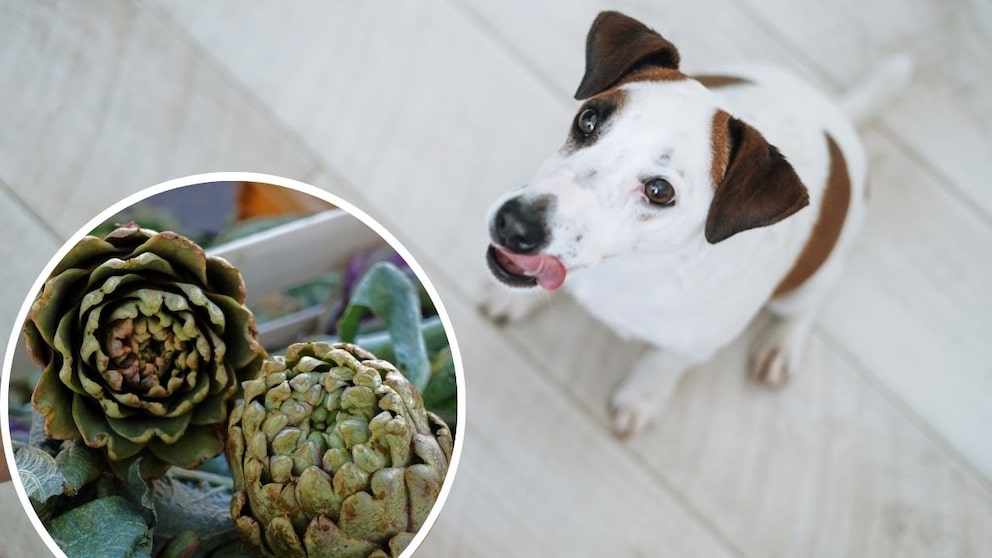
Artichokes are no longer considered an extravagant gourmet vegetable; they have become a staple in many people’s diets. The artichoke is popular, versatile, delicious, and incredibly healthy. Artichokes are currently available everywhere, but few people know what this flowering vegetable contains and whether this superfood is actually suitable for our dogs. Nutritionist and PETBOOK author Philine Ebert reveals everything you need to know about this wonderful vegetable.
What is an Artichoke?
The artichoke is a thistle-like cultivated plant from the Mediterranean region. Its flower head, which is harvested before blooming, is edible. Beneath the tough leaves and the “choke” lies the juicy artichoke heart. It tastes subtly bitter, slightly nutty, and delicately bitter.
Artichokes are in peak season from July to October. Baby artichokes are available in the spring and can be eaten whole.
Why are Artichokes Also Healthy for Dogs?
What many don’t know: Dogs can also benefit from the valuable nutrients in artichokes. In 2003, the artichoke was named “Medicinal Plant of the Year” due to its many valuable nutrients. Potassium, calcium, magnesium, phosphate, beta-carotene, vitamins E, B1, B6, C, and folic acid make this vegetable a true superfood. Additionally, the leaves are rich in bitter substances and flavonoids that support the liver and gallbladder, boost digestion and fat burning, which in turn positively affects cholesterol levels.
Artichokes strengthen cardiovascular function, ensure a healthy immune system, and combat oxidative stress. This aids in detoxification and enhances not only general well-being but also agility for a long, healthy dog life. Artichokes are low in fat, have few calories, and provide many important fibers.
How Do I Feed Artichokes to My Dog?
Like for humans, the lower, fleshy parts of the leaves and the artichoke heart are edible for dogs. Once the “choke,” the woody and hairy fibers covering the heart, is removed, the edible parts can be cooked unseasoned for dogs.
Due to their unique and often nutty taste, many dogs love this vegetable, and it provides a welcome, healthy change in their bowl or as a snack. Artichokes can be fed in small amounts and cut into pieces, either raw or cooked. While raw vegetables generally have the highest nutrient content, they are easier to digest when cooked, especially for sensitive animals. This is particularly true for feeding puppies.
Important: Vegetables should be given to dogs in their natural state. They can be cooked but should not contain spices, broth, marinade, or other additives.

Can cats eat vegetables?

Can Dogs Eat Beets?
How Much and for Which Dogs is Artichoke Suitable?
The recommended amount of artichoke depends on the size of the dog. It is recommended to give 1 to 4 teaspoons of raw or cooked artichoke for an animal weighing up to about 15 kilograms.
The vegetable is intended as a supplement to food or as a snack. Therefore, even if well tolerated, owners should only occasionally give their dogs artichokes. Due to the high fiber content, too much artichoke can cause stomach pain, bloating, diarrhea, or vomiting.
Dogs that are inherently allergic to composites like marigold, dandelion, or chamomile should not eat artichokes. Caution is also advised for dogs prone to urinary stones. The oxalates in artichokes can promote the formation of urinary stones. Artichokes are also unsuitable for pregnant and nursing dogs, as the bitter substances they contain can inhibit milk production.
The Artichoke as a Natural Remedy
The artichoke is also used in natural canine nutrition as a vegetable, powder, extract, herb, or juice. The bitter substances it contains can alleviate symptoms in dogs suffering from heartburn. Additionally, the vegetable can stimulate appetite due to its bitter substances and contribute to a balanced diet and normal liver function. Not only digestion but also muscle, nerve, and cell functions are naturally supported.
Artichoke powder is particularly suitable for dogs as a natural remedy. It contains a higher concentration of bitter substances than the pure vegetable or fresh plant juice. The powder is simply mixed into the food as a dietary supplement. For extended feeding of higher doses of artichoke as a dietary supplement, a veterinarian should always be consulted.

My Recipe Idea for a Refreshing, Healthy Artichoke Smoothie for Dogs
Ingredients:
1 artichoke heart
1 carrot
Coconut milk (natural)
Broth
Chia seeds or flaxseeds
Preparation:
Cook the artichoke heart and a medium carrot in unsalted water and let them cool. Puree the vegetables with some unsalted broth and 2 tablespoons of coconut milk, refine to taste with half a teaspoon of soaked chia seeds or flaxseeds.
Done!
Lightly chilled, this smoothie is suitable as a snack or food topping, frozen in a Kong or on a lick mat in summer as a refreshing lick snack.